








Meet the Garden's Pop-Up Performers
First, let's get acquainted. Rain lilies, members of the genus *Zephyranthes*, aren’t true lilies at all. They’re petite, resilient bulb plants native to the Americas, earning them charming nicknames like fairy lilies, zephyr lilies, and storm lilies.
You’ll find them thriving in the warm, humid climates of the southern United States, from Texas to Florida, where they’ve become a beloved staple of low-maintenance gardens. Their foliage is grassy and often goes unnoticed, a humble green backdrop that asks for very little attention. This quiet, unassuming nature is key to their power. For most of the season, they are the quiet, dependable friend in your garden bed—there, but not demanding the spotlight. This makes their sudden transformation all the more spectacular.
The Ultimate Weather-Activated Trick
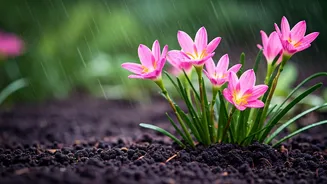
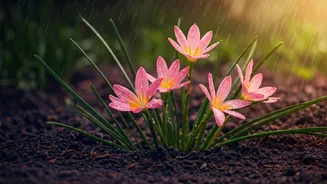
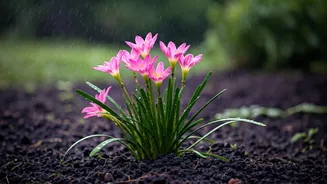
Here’s where the “flex” comes in. Rain lilies have a built-in biological trigger that puts on a show no other plant can quite replicate. After a period of dryness, a significant rainfall signals the bulbs to burst into action. Within a day or two—sometimes seemingly overnight—slender stems shoot up, crowned with delicate, star-shaped or crocus-like flowers. It’s a synchronized, pop-up spectacle. One day you have a simple patch of green; the next, you have a swath of dazzling white, buttery yellow, or soft pink blossoms that seem to have appeared from thin air. While your neighbor is admiring their prize-winning roses that took weeks of careful pruning and feeding, your garden just casually dropped a floral fireworks display in response to the weather. It’s a display of perfect timing and natural magic, an ephemeral event that feels like a secret between you and the elements. That’s not just gardening; that’s performance art.
A Deceptively Simple Beauty
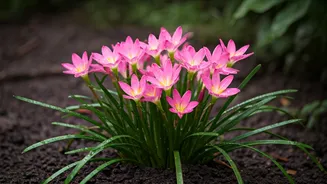
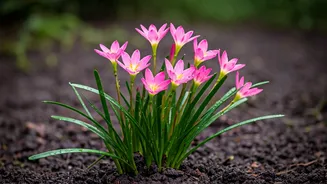
The flowers themselves are models of understated elegance. Unlike big, flashy dahlias or complex orchids, a single rain lily flower is simple: six petals, a delicate form, and a cheerful disposition. But their power is in their numbers. Because they bloom in unison, they create a breathtaking drift of color that carpets the ground. The most common species, *Zephyranthes candida*, offers brilliant white flowers that are especially luminous in the evening or on overcast days. *Zephyranthes citrina* provides a splash of sunny yellow, while *Zephyranthes grandiflora* boasts larger, rose-pink blooms. The beauty of the rain lily flex is that it isn’t about boasting the biggest or most complicated flower. It’s about cultivating a moment—a fleeting, beautiful surprise that lasts for only a few days before vanishing as quickly as it came, leaving you to anticipate the next big storm.
How to Join the Rain Lily Club
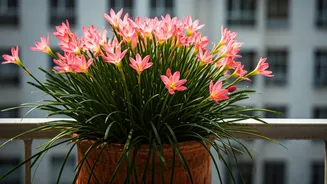
The best part of this ultimate plant flex? It’s ridiculously easy to achieve. Rain lily bulbs are forgiving, affordable, and require almost no coddling. They thrive in USDA zones 7-11, preferring well-drained soil and a spot that gets at least a half-day of full sun. Simply plant the small bulbs a few inches deep in the fall or spring, and then largely forget about them. They are drought-tolerant and handle the summer heat with grace. For gardeners in colder climates, they are fantastic container plants. Plant a dozen or so in a pot on your patio, let them get baked by the sun, and watch them surprise you after you give them a deep watering. They multiply over time, so your small investment will turn into a bigger, more impressive display year after year. The only real requirement is a bit of patience and an appreciation for a good summer storm.