




The Ten-Minute Fitness Promise
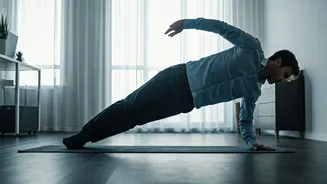
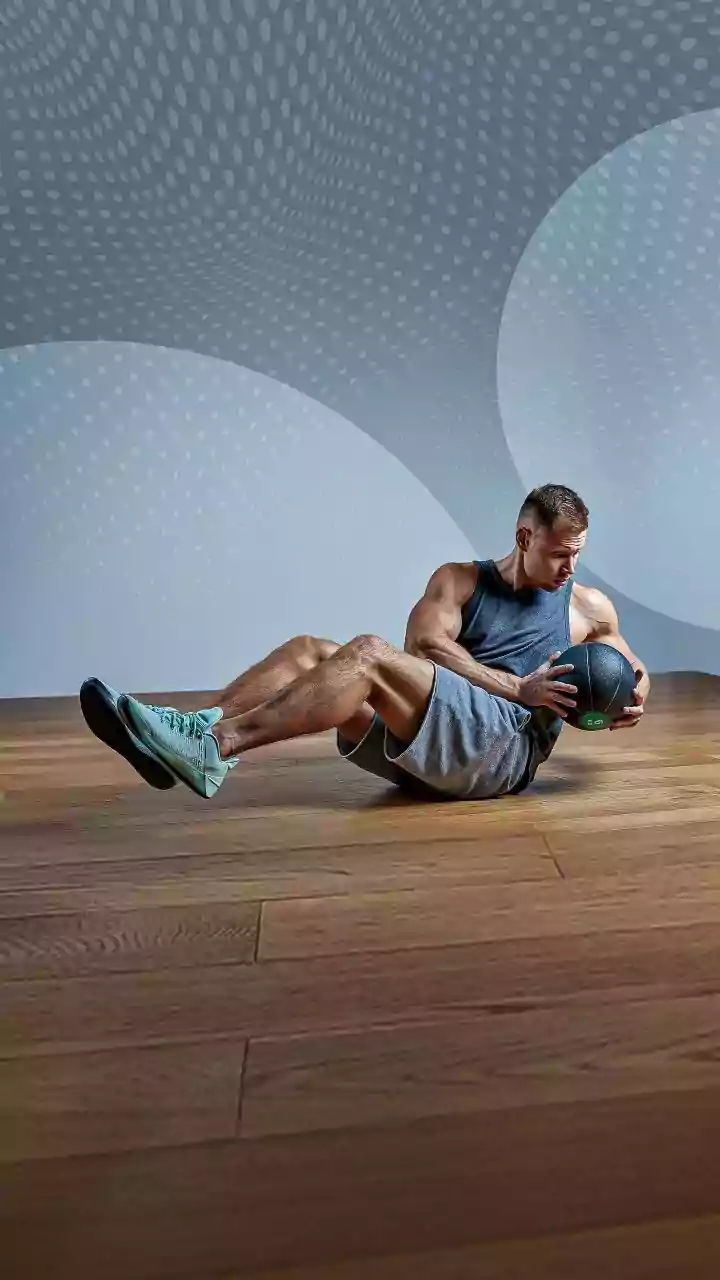
First, let’s define our terms. “Micro-workouts,” sometimes called “exercise snacking,” are short, intense bursts of physical activity, typically lasting 15 minutes or less. Think a quick set of push-ups and squats between Zoom calls, a furious five-minute
jump rope session before making coffee, or a brisk walk up and down the stairs to break up a coding marathon. In the U.S., this trend was born from our obsession with productivity and time management—a response to the feeling that there’s never enough time for a full hour at the gym. It’s a hack for the over-scheduled corporate employee, promising the benefits of movement without the commitment of a traditional fitness routine. The science is surprisingly supportive, showing that these mini-sessions can improve cardiovascular health, boost metabolism, and enhance mood. It’s the ultimate fitness solution for the time-poor.
Meet India’s Freelance Boom
Now, let’s pivot to India, home to one of the world's largest and fastest-growing freelance workforces. Fueled by a young, tech-savvy population and global demand for IT, design, and content services, India’s gig economy is massive. Millions of independent professionals, from Bengaluru to Mumbai to Delhi, are building careers outside the confines of a traditional 9-to-5. But this freedom comes with a unique set of pressures. The freelance life is one of feast or famine, with unpredictable project timelines and a constant need to be “on” for clients in different time zones. Work bleeds into life, and the home office—often a corner of a small urban apartment—becomes the center of the universe. Unlike a structured office job, a freelancer’s day isn't broken up by a commute, a mandated lunch break, or water-cooler chats. It’s a marathon of self-discipline, often performed in isolation.
A Schedule Made for Bursts
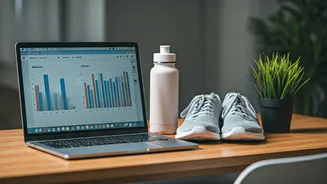
This is precisely where the micro-workout finds its perfect home. The rigid structure of a 6 p.m. spin class doesn't work when a client in California might need urgent revisions at that exact time. But a seven-minute HIIT (High-Intensity Interval Training) circuit? That can be slotted perfectly into the 15-minute gap between sending an invoice and starting a new design mock-up. The freelance schedule is inherently fragmented, made up of intense work sprints rather than a steady, predictable flow. Micro-workouts mirror this rhythm. They are the physical equivalent of the Pomodoro Technique, providing a powerful, structured break that resets the mind and body without derailing workflow. For a freelance developer deep in code, a quick burst of activity is far more practical than a full hour-long gym trip that would shatter their focus.
Solving the Space and Time Constraint
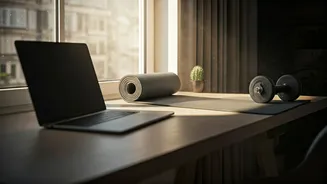
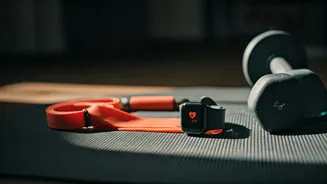
The logistical advantages are even more compelling. In India's densely populated metropolitan hubs, space is at a premium. The idea of a dedicated home gym is a luxury few can afford. Likewise, commuting to a fitness center can mean battling legendary traffic, turning a one-hour workout into a three-hour ordeal. Micro-workouts elegantly bypass these barriers. They require minimal equipment—often just bodyweight—and can be done in the few square feet of open floor space next to a desk. There’s no membership fee, no travel time, and no need for bulky equipment. It’s a decentralized, democratized form of fitness that is tailor-made for the realities of urban Indian life, removing nearly every practical obstacle that stands between a busy freelancer and physical activity.
A Tool for Mental Resilience
Perhaps most importantly, micro-workouts address the psychological toll of freelance work. The isolation, stress of deadlines, and lack of a clear boundary between work and rest can lead to burnout and anxiety. A short, sharp burst of exercise is a powerful antidote. It’s a potent mood-booster, releasing endorphins and providing a much-needed mental reset. It breaks the hypnotic spell of the screen, forcing a moment of physical presence and mindfulness. For a solo professional managing their own business, schedule, and motivation, these small acts of self-care are not just about physical health; they are critical tools for maintaining the mental stamina required to thrive in a competitive and often lonely environment.