



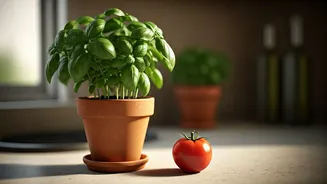


The Three Balcony Essentials
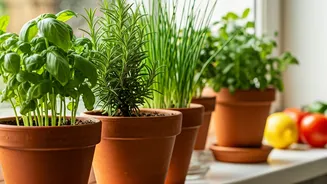
Before you buy a single plant, set yourself up for success. First, choose the right pots. Ensure they have drainage holes at the bottom to prevent root rot—herbs hate having 'wet feet.' Terra cotta is a classic choice as it's porous and helps soil dry
out. Second, use high-quality potting mix, not garden soil, which is too dense and compacts in containers. Finally, assess your sunlight. Most kitchen herbs need at least six hours of direct sun per day. Observe your balcony to find its sunniest spot and plan accordingly.
1. Basil: The Taste of Summer
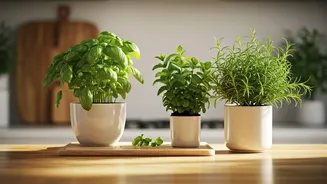
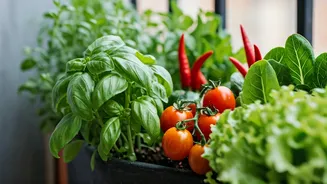
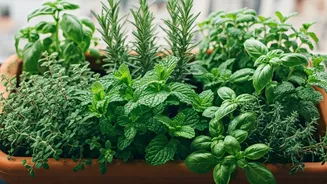
Nothing says summer like the sweet, peppery aroma of fresh basil. This annual herb is a container-gardening superstar, but it's a sun-worshipper and needs consistent moisture to thrive. Don't let the soil dry out completely. Grow a classic Genovese variety for the ultimate pesto, or try a purple or Thai basil for a visual and flavorful twist. Pinch off the top sets of leaves regularly to encourage bushier growth and prevent the plant from flowering, which can make the leaves bitter. A single pot of basil will revolutionize your caprese salads, pasta sauces, and homemade pizzas.
2. Mint: The Aggressive Hero
Mint is famously easy to grow—so easy, in fact, that it can quickly take over. This is a blessing on a balcony, where its ambitions are contained by a pot. Always give mint its own container unless you want a mint-only garden. It’s less fussy about sun than other herbs and can tolerate some shade. Keep the soil moist, and you'll be rewarded with an endless supply for mojitos, iced tea, fruit salads, and savory lamb dishes. Snip stems frequently to keep it from getting too leggy.
3. Rosemary: The Hardy Mediterranean
If you sometimes forget to water your plants, rosemary is for you. This woody, perennial herb thrives on a bit of neglect, preferring dry conditions and as much sun as you can give it. Its pine-like, fragrant needles are a game-changer for roasted potatoes, chicken, and pork. You can also toss a whole sprig into a pot of simmering soup or stew to infuse it with a deep, savory flavor. Start with a small plant from a nursery, as it can be tricky to grow from seed. A single rosemary plant can last for years with minimal care.
4. Chives: The Subtle Onion Kick
Think of chives as the most user-friendly member of the onion family. Their slender, green stalks provide a mild, fresh onion flavor without the harshness. They are incredibly forgiving and will grow happily even in spots with just a few hours of direct sun. To harvest, use scissors to snip the stalks about an inch from the base. They will regrow quickly. Finely chopped chives are the perfect finishing touch for scrambled eggs, baked potatoes with sour cream, and creamy soups. Their edible purple flowers also make a beautiful garnish.
5. Thyme: The Versatile Workhorse
Small in stature but mighty in flavor, thyme is an essential herb for any cook. This low-growing, drought-tolerant plant loves a sunny spot and well-draining soil. Its tiny, aromatic leaves are a foundational flavor in Mediterranean and French cooking. It pairs beautifully with lemon for marinades, adds earthy depth to roasted vegetables, and is a key component in a classic bouquet garni for stocks and soups. There are many varieties, but English or French thyme are excellent all-purpose choices for your balcony.