




The Engine Behind the Optimism
So, why the sudden confidence in a market historically dominated by gas-guzzling, ultra-affordable cars and scooters? The optimism isn't just wishful thinking; it's rooted in a powerful combination of top-down policy and bottom-up demand. The Indian government's
FAME-II (Faster Adoption and Manufacturing of Electric Vehicles) scheme provides significant subsidies for EV buyers, making the switch more financially viable for a price-sensitive population. This isn't just about eco-consciousness; it's about economics. With volatile global oil prices, the long-term cost savings of electric power are becoming a compelling kitchen-table argument for millions of Indian families and businesses. Furthermore, after the disruptions of the pandemic, consumer sentiment is on the rebound, and a growing, tech-savvy middle class is more open than ever to adopting new technologies, from digital payments to electric mobility.
It's a Two-Wheeler's World
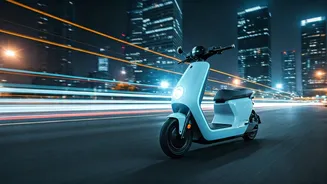
For most Americans, the term 'EV' conjures images of a sleek Tesla or a Ford F-150 Lightning. In India, the electric revolution looks very different: it's happening on two and three wheels. Motorcycles, scooters, and auto-rickshaws are the lifeblood of Indian urban transport, accounting for over 75% of vehicles on the road. This is where the EV transition is moving fastest. Startups like Ola Electric (backed by SoftBank) and Ather Energy are going head-to-head with legacy giants like Hero MotoCorp and Bajaj Auto. They're not just selling vehicles; they're building an ecosystem with proprietary charging networks and slick software. This segment is exploding because electric scooters are cheaper to run, easier to charge at home, and perfectly suited for navigating India's congested city streets. This is the volume game, and it’s where the country's EV adoption numbers will truly skyrocket.
The Four-Wheeler Fight Heats Up
The passenger car market is catching up, albeit more slowly. The undisputed leader in this space is a domestic player: Tata Motors. With models like the Nexon EV, the company captured the nascent market by offering a practical, affordable electric SUV when global competitors were still on the sidelines. Their success has proven that a market exists for the right product at the right price. This has forced international incumbents like Hyundai and Kia to accelerate their own EV plans for India. And then there's the elephant in the room: Tesla. While Elon Musk's much-publicized dance with Indian regulators over import duties and manufacturing incentives remains unresolved, the potential for a future entry keeps the entire industry on its toes. The competition is shaping up to be a fascinating battle between homegrown champions and global powerhouses, all fighting for a piece of what will soon be the world's third-largest auto market.
Beyond Ownership: A Ride-Hailing Rebound
Mobility isn't just about what you own; it's about how you get around. India's ride-hailing giants, Uber and homegrown rival Ola, are also central to the 2026 outlook. After a brutal period during the pandemic, the sector is bouncing back with a new focus on electrification and multi-modal transport. Both companies are aggressively pushing to onboard more electric vehicles, particularly two and three-wheelers, into their fleets. For drivers, this means lower operating costs. For the companies, it aligns them with government green initiatives and offers a powerful marketing tool. Their platforms are becoming all-in-one mobility apps, integrating ride-sharing, scooter rentals, and public transit information. This evolution from simple taxi aggregation to a comprehensive Mobility-as-a-Service (MaaS) platform is a key trend underpinning the sector's brighter future.
The Roadblocks on the Way to 2026
Of course, this optimistic future isn't a foregone conclusion. Significant hurdles remain. The most glaring is infrastructure. While you can charge a scooter overnight from a standard wall socket, the lack of a widespread, reliable public charging network for electric cars is a major deterrent for potential buyers worried about range anxiety. The upfront cost of EVs, even with subsidies, is still a significant barrier for a large portion of the population. Battery supply chains, mineral sourcing, and the stability of the electrical grid are all long-term challenges that need to be addressed. The road to 2026 will be paved with these practical problems, and how effectively India solves them will determine whether the current positive mood translates into a full-blown market transformation.