






Fitness Without a Price Tag
In a country where gym memberships can cost more than a month's rent for many, the primary appeal of running is its radical accessibility. For a burgeoning middle class eager to embrace healthier lifestyles, the high fees, restrictive contracts, and intimidating
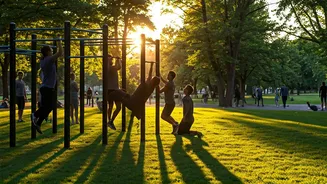
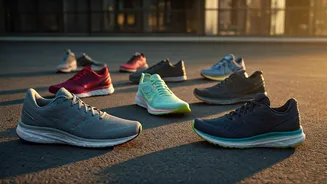
atmosphere of private fitness centers create a significant barrier. Running, by contrast, requires little more than a pair of affordable shoes and the motivation to step outside. This democratization of wellness is the engine of the movement. It offers a solution to the global fitness industry's tendency toward exclusivity, proving that health doesn't need to be a luxury consumer product. All you need is a road, a park, or a promenade, turning public infrastructure into a free, open-air gym for all.
The Social Glue of the Sidewalk
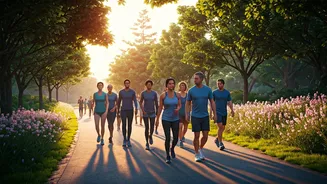
While the low cost gets people started, it’s the community that keeps them going. For many, these running clubs are more than just a way to stay in shape; they are a vital social network. In the often-isolating environment of sprawling megacities, a morning run provides a rare space for connection. Members aren't just pacing partners—they are friends, mentors, professional contacts, and a built-in support system. They celebrate personal bests, motivate each other through grueling training schedules, and share life advice before the workday begins. This camaraderie transforms a solitary activity into a collective experience, offering a powerful antidote to the loneliness that can accompany modern urban life. In a culture that has long valued community, running clubs are a contemporary expression of that tradition.
Organized by an App
This decentralized movement wouldn't be possible without a piece of technology already in everyone’s pocket: the smartphone. Most of these clubs are not formal organizations with membership dues or administrative staff. Instead, they are fluid, informal groups coordinated almost entirely through messaging apps like WhatsApp. A group admin can post the time and location for the next day's run, share a route map, and circulate motivational messages. New members are added with a click, and information spreads effortlessly. This digital-first approach eliminates overhead and bureaucracy, allowing clubs to spring up organically anywhere there’s a flicker of interest. It’s a perfect example of how simple, ubiquitous technology can empower powerful, real-world social change without the need for a corporate structure.
Reshaping Public Spaces and Norms
The rise of running is also subtly reshaping India's urban landscape and social norms. The sight of dozens, sometimes hundreds, of people running together reclaims streets for pedestrians, even if only for a few hours. It’s a visible statement that public spaces are for people, not just for cars. The movement has been particularly empowering for women, who have historically faced greater restrictions on their mobility and safety concerns in public. Running in a group provides safety in numbers, allowing more women to participate in public fitness and claim their right to the city. As marathon events pop up in nearly every major Indian city, completing a 10K or a full marathon has become a new badge of honor—a symbol of discipline, health, and modern, global citizenship.