


Beyond the Smart Speaker
The first wave of smart home technology was defined by conspicuous devices. A smart speaker on the kitchen counter, a bulky thermostat on the wall, a camera perched on a bookshelf. While functional, these gadgets often felt like technological clutter—add-ons
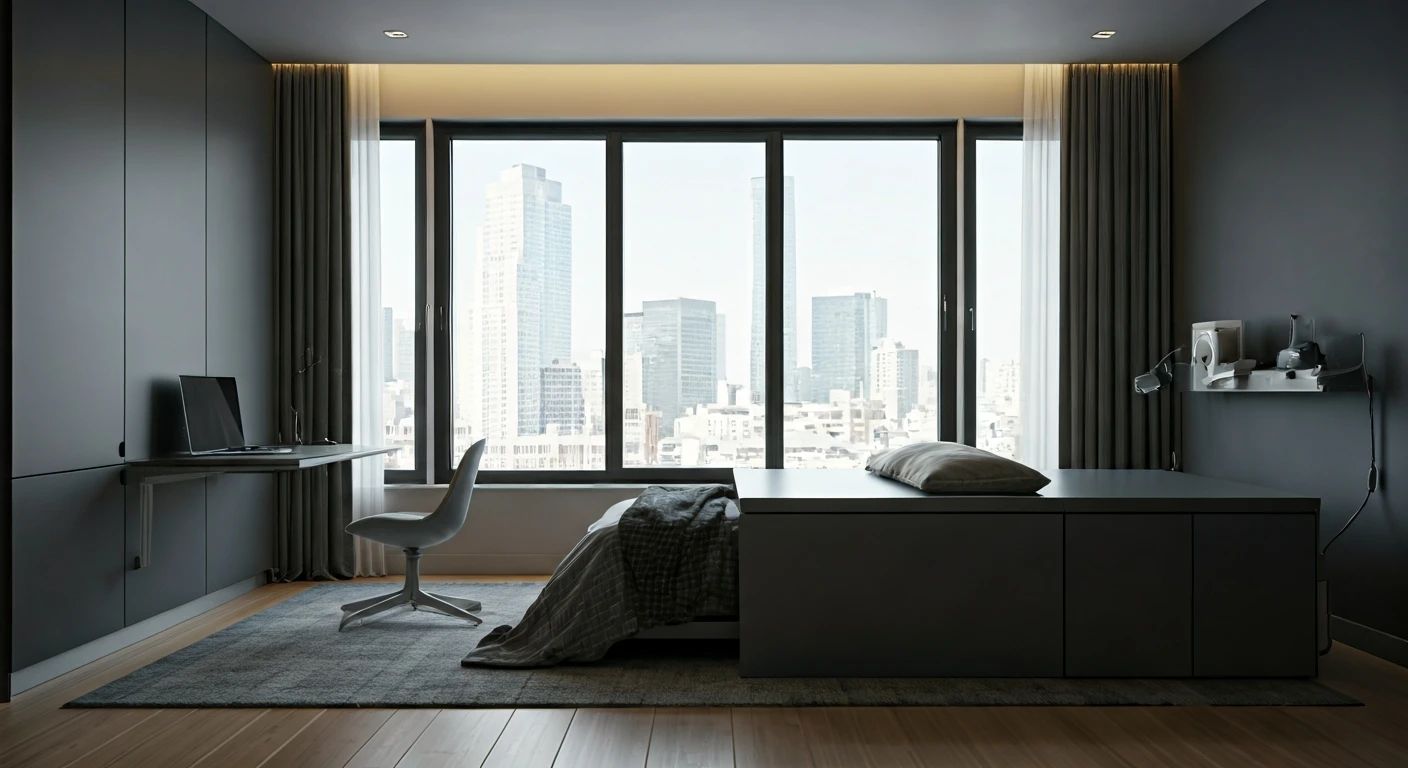
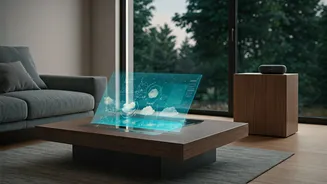
to our homes rather than integral parts of them. The smart interior flips that script. It’s an approach focused on integration and intuition, where the technology is either invisible or so beautifully designed that it merges with the home’s aesthetic. The goal is no longer just automation (turning lights on with your voice) but ambiance and wellness (lights that adjust themselves to support your natural energy levels). This is technology that serves the inhabitant quietly, anticipating needs and reducing friction in daily life without demanding constant attention.
Lighting That Lives With You
Perhaps the most powerful example of this shift is in smart lighting. Early smart bulbs were a novelty; today’s integrated systems are a cornerstone of wellness-focused design. Human-centric or “circadian” lighting systems, like those from Ketra or Lutron, can automatically adjust their color temperature and intensity throughout the day. In the morning, they emit cool, bright light that mimics daylight to help you feel alert and energized. As evening approaches, the light shifts to a warm, gentle glow, signaling to your body that it’s time to wind down. This isn’t just a convenience—it’s technology working in harmony with our biology to promote better sleep and overall well-being. The control happens in the background, woven into the fabric of the home, creating an environment that simply feels better.
Invisible Audio and Entertainment
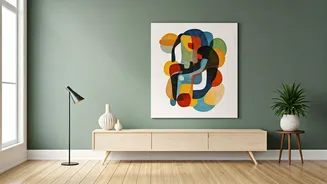
The living room has long been dominated by a large, black rectangle: the television. Smart interiors are challenging that default. TVs like Samsung’s “The Frame” disguise themselves as art when not in use, while LG has pioneered a rollable OLED TV that vanishes into its base. This frees up visual space and returns the focus of a room to conversation and connection. Audio is undergoing a similar transformation. Instead of bulky speakers, companies like Sonance offer “invisible” speakers that are installed into the drywall and plastered over, delivering high-fidelity sound from a seemingly empty wall. This approach declutters our living spaces, allowing the design—and the people within it—to take center stage, with entertainment available at a touch without being a constant visual presence.
Automating True Comfort
True comfort is about more than just temperature. A genuinely smart interior manages the entire climate environment. It starts with a smart thermostat that learns your preferences, but it doesn’t end there. Automated shades and blinds can work in concert with the thermostat, closing during the hottest part of a summer day to block solar heat gain and opening in the winter to let the sun warm the room naturally. This synergy saves energy and maintains a consistent, comfortable temperature. Add in smart air purifiers that monitor for pollutants and allergens, and you have a home that actively manages its own health and atmosphere. The technology works as a silent, coordinated system, creating a perfect indoor climate without you ever having to touch a dial.