



1. Better Wiper Blades
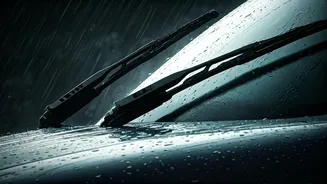
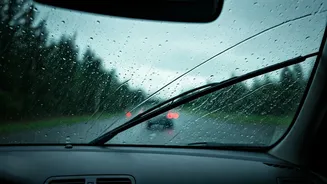
This isn't about replacing your wipers; it's about upgrading them. Those cheap, streaky blades you’ve been meaning to change won't cut it when the sky opens up. The chattering and smearing they create in a deluge can be more distracting than the rain
itself. For a true upgrade, look beyond standard rubber blades. Silicone blades, for instance, are a significant step up. They are more durable, resist sun damage, and glide more smoothly across the glass. More importantly, as they wipe, they leave behind a micro-thin layer of hydrophobic silicone, which helps water bead up and roll off on its own. Another excellent choice is a beam-style blade, which applies more uniform pressure across the entire windshield, eliminating those annoying unwiped patches that always seem to be directly in your line of sight.
2. A Hydrophobic Glass Treatment
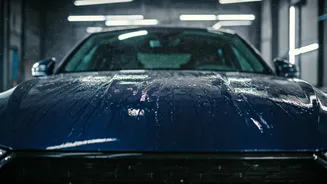
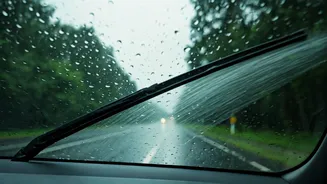
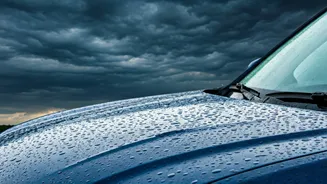
Here's the secret weapon for ultimate wet-weather visibility. A quality hydrophobic glass treatment, like the famously effective Rain-X or similar products, is one of the cheapest and most impactful upgrades you can make. These treatments work by creating a super-slick, invisible coating on your windshield that prevents water from clinging to the glass. Instead of smearing into a sheet, raindrops form into tight beads and, at highway speeds, simply fly off the windshield. In moderate rain, you may not even need to use your wipers at all. The effect is almost magical, dramatically improving clarity and reducing the visual chaos of driving through a storm. Application is simple—clean the glass thoroughly, apply the product with a cloth, let it haze, and buff it off. The five minutes you spend doing this will pay you back tenfold during the next downpour.
3. The Right Tires (and Tread)
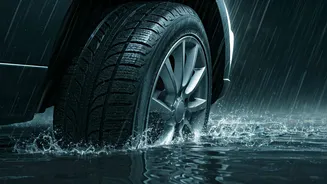
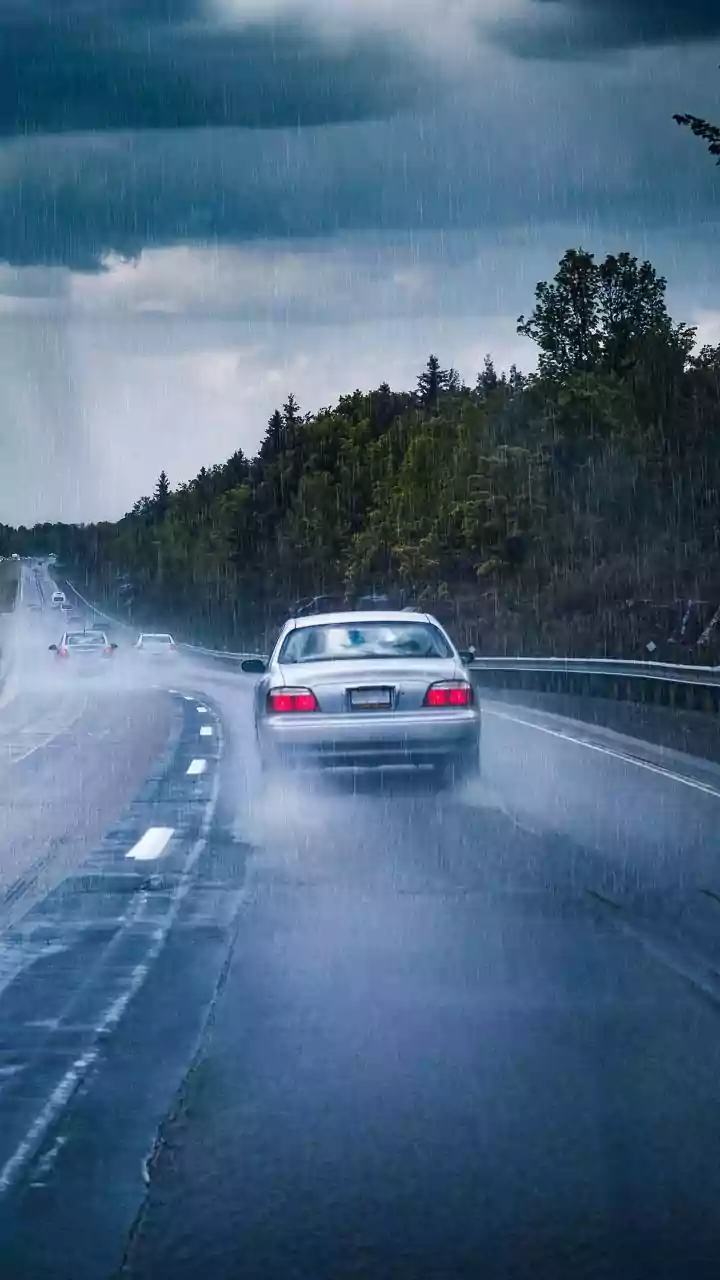
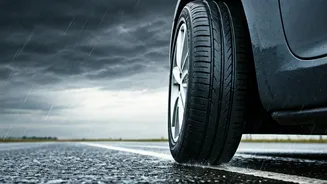
Your tires are the only four points of contact between your 4,000-pound vehicle and the road. When that road is covered in a layer of water, their job becomes exponentially harder. The primary danger here is hydroplaning, where your tires lose contact with the asphalt and essentially ski on a thin film of water, resulting in a complete loss of steering and braking control. The single best defense is ample tread depth. The deep grooves in your tires are designed to channel water out from underneath the contact patch. As tires wear down, these channels become shallower and less effective. You can check your tread with a penny: if you can see all of Lincoln's head, your tires are dangerously worn and need immediate replacement. Ensure your tires are properly inflated, as underinflation can also increase the risk of hydroplaning. This isn't just maintenance; it's the most critical safety upgrade you can make.
4. Clean and Clear Headlights
In a monsoon-like storm, visibility isn't just about what you can see; it's about being seen by others. Driving with your headlights on during heavy rain is a legal requirement in most states for this very reason. But are your headlights up to the task? Over time, the plastic lenses on modern cars become yellowed and hazy from UV exposure and road debris. This oxidation can severely diminish the amount of light that passes through, making your car less visible to other drivers and reducing your ability to see hazards on the road ahead. You don't necessarily need to buy new headlights. A simple headlight restoration kit, available at any auto parts store, can scrub away the haze and restore the lens to near-new clarity in under an hour. It’s a small effort for a massive boost in safety.
5. All-Weather Floor Mats
This upgrade isn't about safety, but about sanity. When you're climbing in and out of your car during a storm, you're tracking in water, mud, and whatever else is on the ground. Standard carpeted floor mats quickly become saturated, leading to a perpetually damp, musty smell that can permeate your car's interior for weeks. Worse, the moisture trapped underneath can promote mold, mildew, and even rust on your vehicle’s floor pan. The solution is a set of deep-dish, all-weather floor mats. Made from durable rubber or thermoplastic, these mats are designed with high sides and deep channels to contain water, slush, and dirt, keeping your car's carpet clean and dry. When they get dirty, you just pull them out, hose them down, and they're good as new. It’s the upgrade that protects your car’s interior and your resale value.