





1. Ooty: The Queen of Hill Stations Reawakens
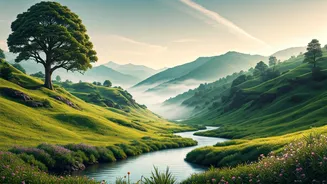
Known as the “Queen of the Nilgiris,” Ooty transforms during the monsoon. The rains wash the landscape clean, leaving behind emerald-green tea plantations and valleys shrouded in mist. While heavy downpours are possible, the season is mostly characterized
by a cool, pleasant drizzle and dramatic, cloud-filled skies. The famous Ooty Botanical Gardens are at their most vibrant, and the serene Ooty Lake, perfect for a boat ride on a clear afternoon, takes on a mystical quality. A ride on the Nilgiri Mountain Railway, a UNESCO World Heritage site, becomes even more magical as the vintage train chugs through fog-draped forests and glistening green hills. It’s the perfect setting for cozying up in a colonial-era bungalow with a cup of locally grown tea.
2. Kodaikanal: The Misty Princess
If Ooty is the queen, Kodaikanal is the “Princess of the Hill Stations,” and it truly comes into its own during the monsoon. The name itself means “The Gift of the Forest,” a title that feels most apt when the rains have nourished every leaf. Key attractions like Coaker's Walk offer breathtaking (if fleeting) views of the plains below as the clouds part. The iconic Pillar Rocks often play hide-and-seek in the dense fog, creating a surreal and photogenic scene. The man-made Kodai Lake is the town's centerpiece, and the misty weather makes a simple stroll around its perimeter feel like a walk through a dreamscape. This is the place for travelers who appreciate solitude and the moody beauty of nature.
3. Valparai: An Untamed Tea Paradise
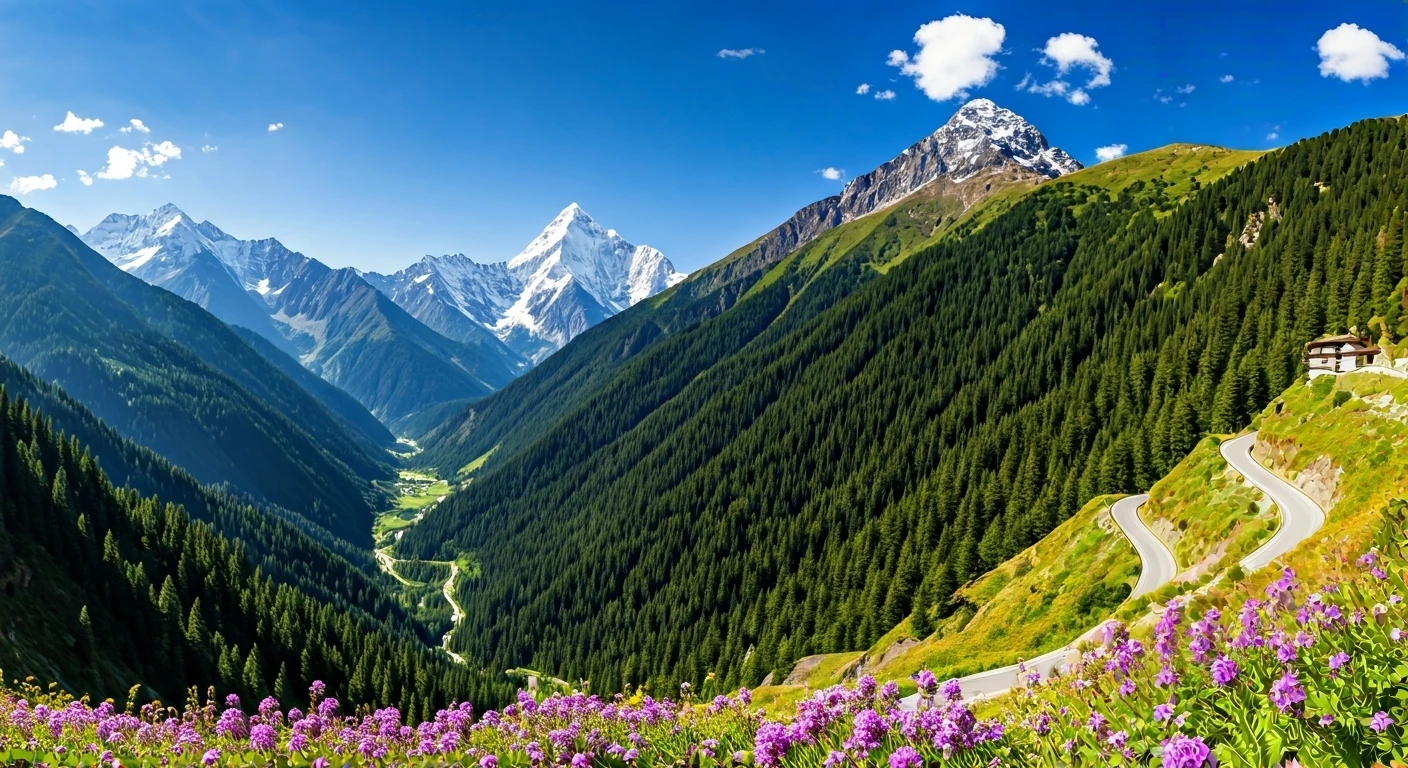
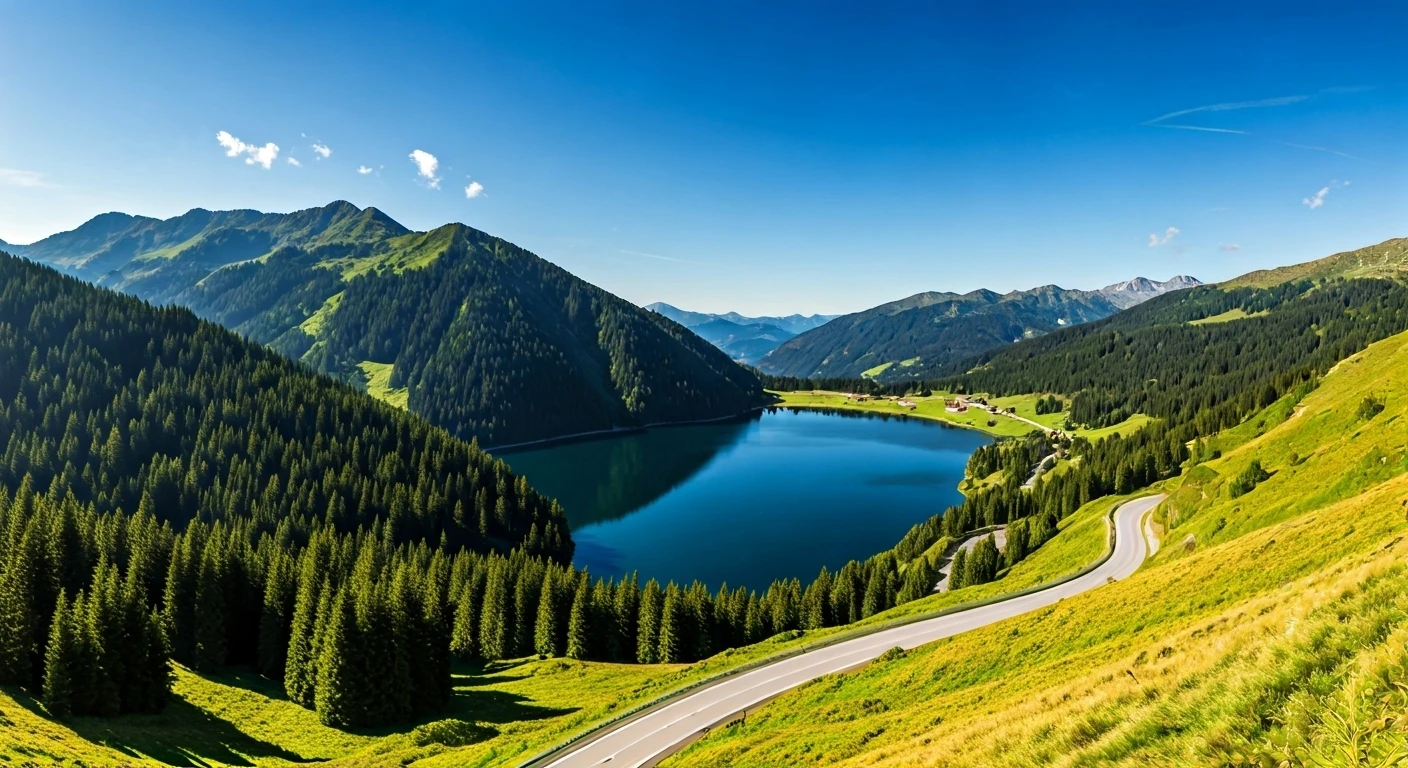
For those looking to get further off the beaten path, Valparai is a revelation. Less commercialized than Ooty or Kodaikanal, this mid-elevation hill station is surrounded by seemingly endless tea and coffee estates. The monsoon season turns these rolling hills a brilliant, uniform green. The journey to Valparai itself is an adventure, involving more than 40 hairpin bends with stunning viewpoints along the way. The region is part of the Anamalai Tiger Reserve, and the quieter monsoon season can increase your chances of spotting wildlife like the Malabar giant squirrel, hornbills, and even elephants from a safe distance. It’s an immersive experience where the main activity is simply being present in a stunning, unspoiled environment.
4. Yelagiri: The Accessible Weekend Escape
Not every monsoon getaway requires a long, winding journey into the mountains. Yelagiri is a cluster of villages in the Eastern Ghats that offers a more accessible and quieter alternative. While it lacks the dramatic altitudes of the Nilgiris, it makes up for it with serene charm. The central Punganur Lake is ideal for boating, and the surrounding hills offer gentle trekking paths that are especially beautiful after a fresh spell of rain. One of the main draws is the drive up, which has its own set of 14 hairpin bends. During the monsoon, this route is flanked by lush greenery and seasonal waterfalls, making the journey part of the destination. It’s a perfect, low-key escape for those seeking peace without the crowds.
5. The Coromandel Coast: A Different Kind of Monsoon
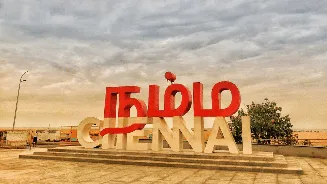
Here's a key detail for American travelers: Tamil Nadu’s main monsoon is the northeast monsoon (October to December), which is generally less intense than the southwest monsoon that drenches much of India from June to September. Furthermore, the state’s eastern coast lies in a rain shadow, meaning it receives lighter, more intermittent showers. This makes places like Chennai and the historic temple town of Mahabalipuram fascinating monsoon destinations. You can explore the magnificent shore temples and rock carvings of Mahabalipuram against a backdrop of dramatic grey skies, then retreat to a seaside café when a shower passes. The coastline takes on a rugged, windswept beauty, offering a completely different vibe from the sunny tourist season.