


The Gospel of Going Slow
In an age of whirlwind city breaks and hyper-curated itineraries, a counter-movement has been quietly gaining ground: slow travel. It’s a philosophy that rejects the tourist’s frantic checklist in favor of the traveler’s deep immersion. The goal isn’t
to see a place, but to feel it—to connect with its rhythm, its people, and its history. Slow travel asks you to unpack your bags, both literally and metaphorically. It’s about choosing one neighborhood over five cities, lingering over a meal instead of grabbing it to-go, and trading a packed schedule for the luxury of spontaneity. This isn't about being lazy or inefficient. It's about being deliberate. Instead of collecting passport stamps and selfies, slow travelers collect experiences: the name of the shopkeeper who sells the best local honey, the quietest bench with the best view, the specific scent of pine and rain in the afternoon air. It’s a sustainable approach not just for the environment, but for the soul, promising a richer, more meaningful connection to the world.
A Hill Station Forged in Time
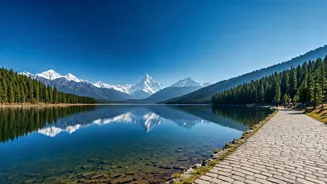
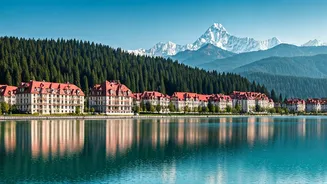
Nainital, a resort town nestled in the Kumaon foothills of the Himalayas, feels as if it were designed for this very purpose. And in a way, it was. Established in 1841 by a British sugar merchant, it quickly became a popular retreat for colonial officials escaping the blistering heat of the Indian plains. The entire town was constructed around a stunning, eye-shaped volcanic lake, from which it gets its name (“naini” meaning eye). For over 150 years, its purpose has remained unchanged: to be a haven of leisure and rejuvenation.
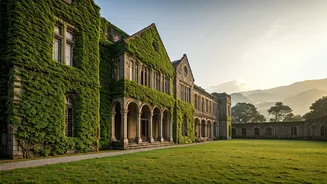
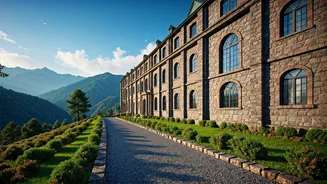
The British built stone cottages with gabled roofs, Anglican churches that look transported from the English countryside, and sprawling promenades for leisurely strolls. They established yacht clubs and boarding schools. This colonial architecture, now draped in bougainvillea and moss, gives the town a distinct, time-capsule quality. It’s this history that forms the bedrock of Nainital’s slow-travel appeal. The town wasn't built for cars or commerce, but for contemplation and fresh air.
Living the Nainital Pace
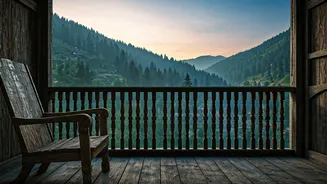
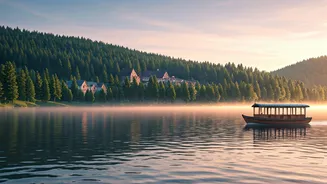
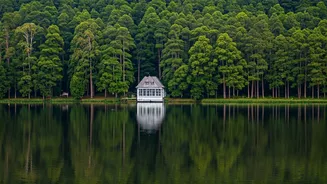
So what does a “150-year stay” actually look like on the ground? It means starting your day not with an alarm, but with the sun filtering through pine trees. The central activity is a circumambulation of Naini Lake. You can hire a brightly painted rowboat or paddleboat and spend an hour on its placid waters, watching the life of the town unfold on its shores. Afterward, you might take a walk along the Thandi Sadak, or “Cold Road,” a path on the shaded side of the lake that remains cool even in the midday sun, offering stunning views and quiet corners.
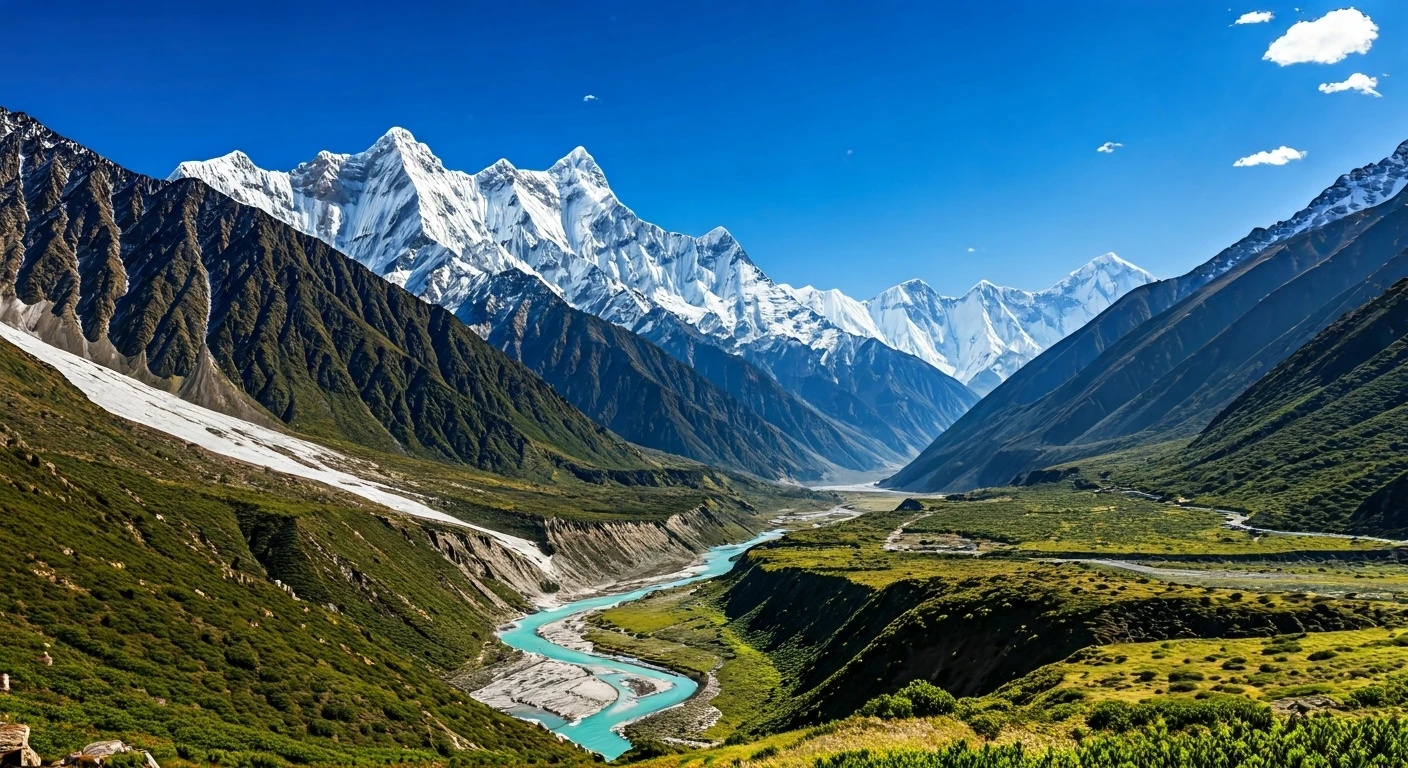
There are no blockbuster museums or must-see monuments. Instead, the attractions are experiences. You can ride the cable car up to Snow View point for a breathtaking panorama of the Himalayan peaks. You can browse for handmade candles and woolen shawls in the bustling Tibetan Market. Or you can simply find a bench, sip on a cup of chai, and watch families, honeymooners, and locals all enjoying the simple, enduring pleasure of being in a beautiful place.
More Than a Destination, It's a Mindset
The phrase “150-year stay” is, of course, a metaphor. But it captures the essence of what makes Nainital special. To visit Nainital properly is to let its century-old rhythm seep into your bones. It’s to understand that the town has been offering the same simple pleasures for generations, and that your participation connects you to a long lineage of people seeking the same thing: a respite from the relentless pace of modern life.
In Nainital, the pressure to “do” things evaporates, replaced by the simple joy of “being.” You aren't just visiting a place; you are inhabiting its story. The colonial past, the local Kumaoni culture, and the timeless natural beauty all merge into a single, cohesive experience. You leave not with a list of sights you’ve checked off, but with a renewed sense of peace and a deeper understanding of what travel can, and perhaps should, be.