




The Rise of the Visual Sip
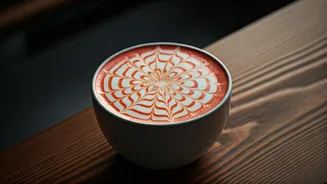
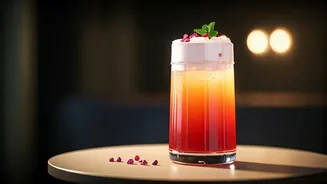
Scroll through the Instagram feed of a young, urban Indian professional, and you'll likely see it nestled between posts about travel and work-from-home life: a perfect-looking drink. It might be a cloud of whipped coffee floating atop iced milk—the viral
Dalgona that took the world by storm during lockdown, a trend that hit with particular force in India. Or perhaps it’s a meticulously layered latte in a clear glass mug, a vibrant green matcha, or a smoothie bowl’s liquid cousin, garnished with chia seeds and a single, perfect raspberry. This isn’t just about getting a caffeine fix. It’s about crafting a moment. The lighting has to be just right, often with morning sun streaming through a window. The vessel is key—a ceramic mug from a niche pottery studio or a minimalist glass. The entire composition is a small, deliberate work of art designed to be captured and shared, turning the mundane act of starting the day into a photogenic performance.
Wellness as a Status Symbol
While coffee culture is certainly booming, this trend goes far beyond espresso. Many of these aesthetic drinks are rooted in the global wellness movement, which has found fertile ground in India. Think golden lattes, which are essentially a beautifully rebranded version of traditional ‘haldi doodh’ (turmeric milk), a home remedy for generations. Now, it's made with oat milk and a sprinkle of cinnamon, served in a stylish cup. You’ll also find adaptogenic concoctions with ashwagandha, vibrant blue spirulina lattes, and hibiscus teas that bloom in hot water. To post a picture of such a drink is to communicate more than just good taste. It says you are health-conscious, informed about global wellness trends, and have access to premium, sometimes expensive, ingredients. It’s a signal of self-investment, suggesting you have the resources and time to prioritize personal well-being, a luxury in itself.
The 'Soft Flex' Explained
This is the essence of the “soft flex.” Unlike a “hard flex”—overtly showing off a designer watch or a sports car—a soft flex is understated. It’s about signaling status through knowledge, taste, and lifestyle choices rather than pure monetary value. Making and photographing an aesthetic morning drink subtly communicates several things: you have leisure time in the morning (you’re not just grabbing instant coffee and running out the door), you have a discerning palate, you value aesthetics, and you likely have a beautiful home environment to serve as a backdrop. It's a way for India's growing middle and upper-middle classes, particularly millennials and Gen Z, to differentiate themselves. In a country where traditional markers of success are well-established, this new generation is creating its own vocabulary of status, one that values experience and curated living over simple material possessions.
Tradition, Reimagined
What makes this trend particularly interesting in India is how it often blends the hyper-modern with the deeply traditional. The South Indian filter coffee, a beloved and strong decoction traditionally served in a steel ‘dabarah’ tumbler, is getting an aesthetic makeover. Artisanal roasters are selling single-origin Indian beans, and people are experimenting with new brewing methods, presenting the classic drink in ways that are Instagram-ready. Similarly, masala chai, the spiced tea that fuels the nation, is being deconstructed and reimagined. Instead of being hastily boiled in a pot, it’s being brewed with carefully sourced spices and specialty tea leaves, served in elegant teapots. This isn’t about abandoning tradition, but about elevating it—reframing familiar comforts through a global, aesthetic lens. It’s a way of saying, “I am modern and globally connected, but I am also rooted in my own culture.”