


It's A Hedge Against Grocery Bills
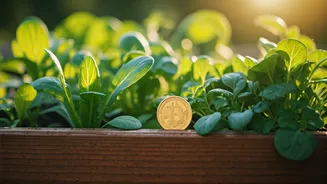
We’ve all felt the sting of rising food prices. A simple head of lettuce or a pint of cherry tomatoes can feel surprisingly expensive. This is where vegetable gardening shifts from a hobby to a savvy financial strategy. While there are initial setup costs
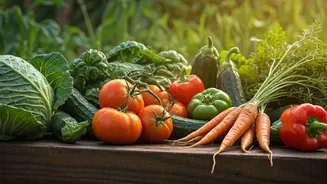
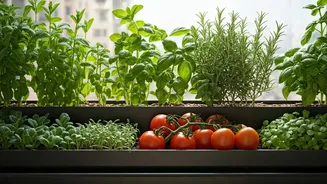
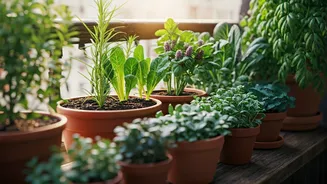
for soil, containers, and seeds, the return on investment can be substantial. A single, well-tended tomato plant can produce over 10 pounds of fruit, far exceeding the value of its initial cost. Herbs like basil, mint, and rosemary, which are costly in small plastic packages at the store, can be grown in abundance on a sunny windowsill for pennies. Over a season, a small garden can significantly reduce your produce bill, providing a steady supply of fresh ingredients and insulating your budget from unpredictable grocery store markups.
It’s A Built-In Wellness Practice
The benefits of vegetable gardening extend far beyond the kitchen. It’s a holistic wellness activity. Physically, it involves gentle, functional movement—digging, planting, weeding, and watering—that gets you outside and away from screens. Studies have shown that gardening can reduce stress, lower cortisol levels, and improve mood. The act of nurturing a plant from seed to harvest is a powerful exercise in mindfulness, connecting you to natural cycles and fostering a sense of patience and accomplishment. The soil itself even contains microbes, like Mycobacterium vaccae, that researchers believe may act as a natural antidepressant by stimulating serotonin production. It's a workout, a meditation, and therapy all rolled into one.
You Become Your Own Five-Star Chef
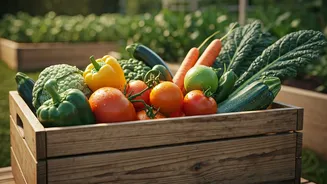
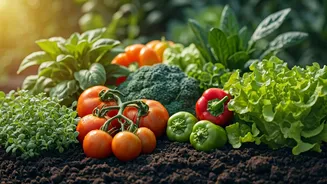
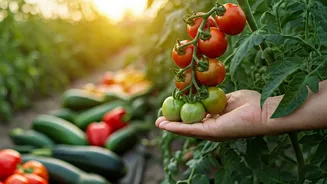
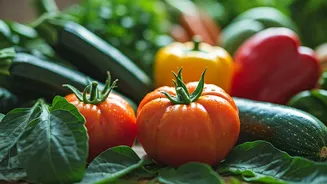
If you think you don't like tomatoes, it’s probably because you've never had one picked warm from the vine. The flavor difference between a homegrown vegetable and its supermarket counterpart is staggering. Store-bought produce is often picked underripe and bred for durability and shelf life, not taste. When you grow your own, you can choose varieties specifically for their flavor, from sweet Sun Gold cherry tomatoes to spicy arugula and tender, buttery lettuce. A meal built around ingredients you harvested just minutes before is a culinary revelation. This immediate access to peak-freshness produce elevates your cooking, inspiring simpler, more flavorful dishes and a deeper appreciation for your food.
It’s An Easy Step Toward Sustainability
For many, living a more eco-conscious life can feel overwhelming. Vegetable gardening offers a tangible and satisfying way to make a difference. Growing your own food drastically cuts down on “food miles”—the distance your food travels from farm to plate, a journey that consumes significant fossil fuels. It eliminates the need for plastic bags, clamshell containers, and other packaging that clog landfills. Furthermore, a home garden allows you to control what goes into your food. You can choose to garden organically, avoiding synthetic pesticides and fertilizers that can harm local ecosystems and pollinators. Composting kitchen scraps to feed your garden soil creates a closed-loop system that reduces waste and builds a healthier planet, right in your own backyard.
Anyone Can Do It, Anywhere
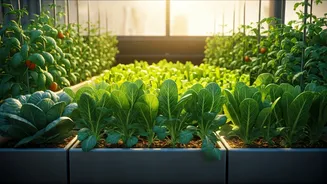
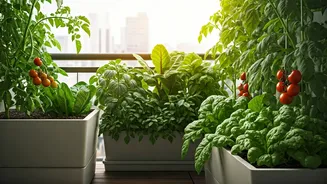
Forget the idea that you need a sprawling suburban yard. The modern vegetable gardening trend is defined by its accessibility. “Container gardening” has democratized the practice, allowing apartment dwellers to grow a surprising amount of food on a sunny balcony, patio, or even a fire escape. Specially bred dwarf varieties of tomatoes, peppers, and cucumbers thrive in pots. Vertical gardening systems allow you to grow upward, maximizing a small footprint. Indoors, a sunny windowsill is all you need for a thriving herb garden, while countertop hydroponic systems can produce lettuce and other greens year-round. Community gardens also offer a solution for those without private outdoor space, adding a wonderful social dimension to the experience. The new rule is simple: if you have a spot that gets six hours of sun, you can grow food.