
Moving Beyond the Familiar Buffet
Let’s be honest: for a long time, the Indian restaurant experience in the United States could feel like a culinary rerun. You knew the hits before you even saw the menu: creamy chicken tikka masala, a vat of saag paneer, and a basket of fluffy, oversized
naan. While delicious, this greatest-hits collection represented a tiny, often Anglicized, sliver of the subcontinent's vast and varied culinary landscape. It was food designed to be safe, familiar, and palatable to a Western audience that wasn't quite ready for the full, glorious spectrum of Indian cooking. This phenomenon wasn’t an accident. It was a business strategy born of necessity for immigrant restaurateurs trying to make a living. They presented a simplified, homogenized version of their home cuisine, focusing on the rich, mild flavors of Northern India, particularly Punjab, because it sold. The unintended consequence was that generations of Americans grew up believing that this narrow selection *was* Indian food. But that era is officially over.
The Rise of the Unapologetic Chef
The engine behind this culinary glow-up is a new guard of chefs, many of them Indian-Americans who grew up navigating two cultures. Unlike the generation before them, they aren't asking for permission to be authentic. They are confident, armed with culinary school training and a deep-seated desire to tell the stories of their heritage with pride. Chefs like Chintan Pandya of New York’s Dhamaka and Semma, Meherwan Irani of Chai Pani in Asheville, and the teams behind countless other restaurants from coast to coast are leading the charge. Their philosophy is simple but revolutionary: stop trying to please everyone. Instead of watering down spices or taming heat, they are amplifying it. They are digging into the specific dishes their grandmothers made, exploring the food of overlooked regions, and presenting it with the swagger and storytelling typically reserved for French or Italian cuisine. They are, in a word, unapologetic. This isn't just about food; it's a cultural statement about claiming one's identity.
What 'Smarter' Really Means
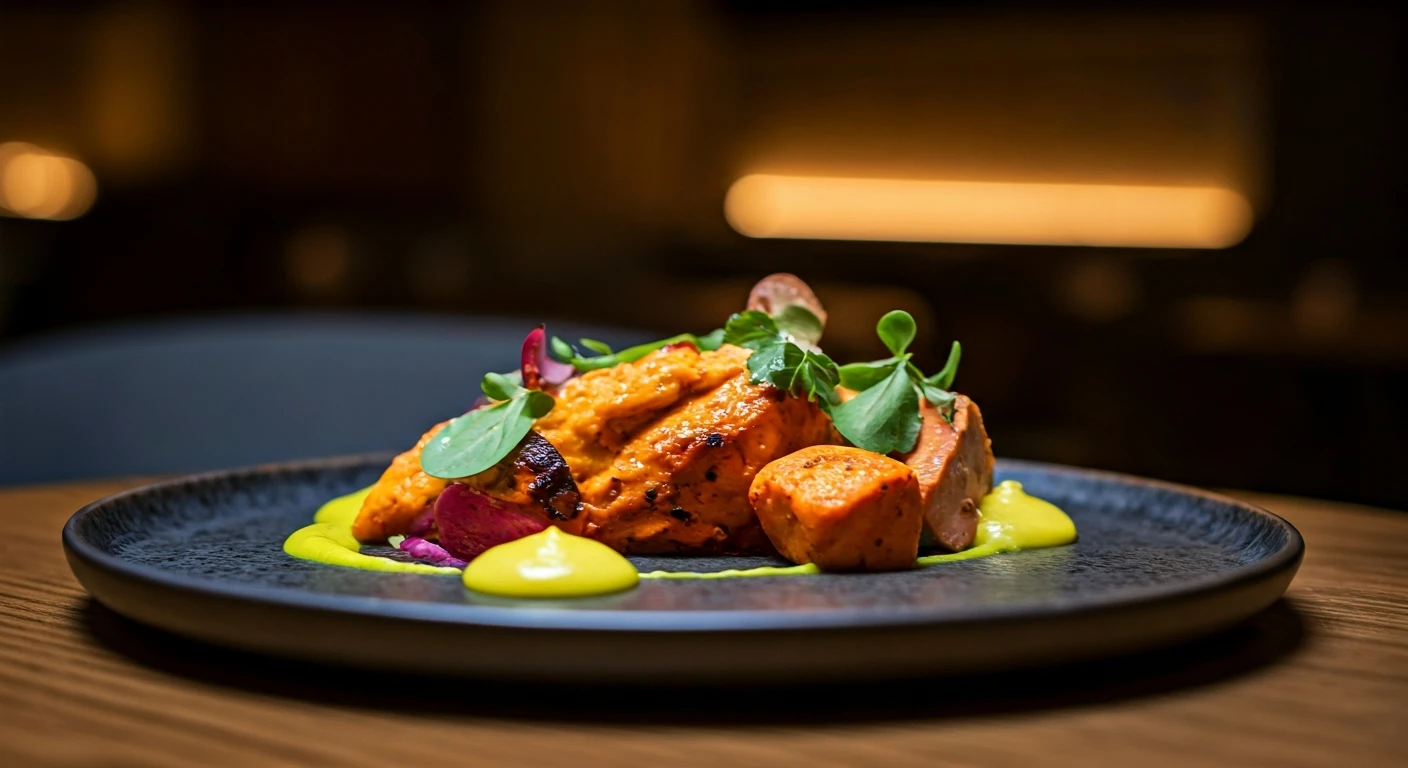
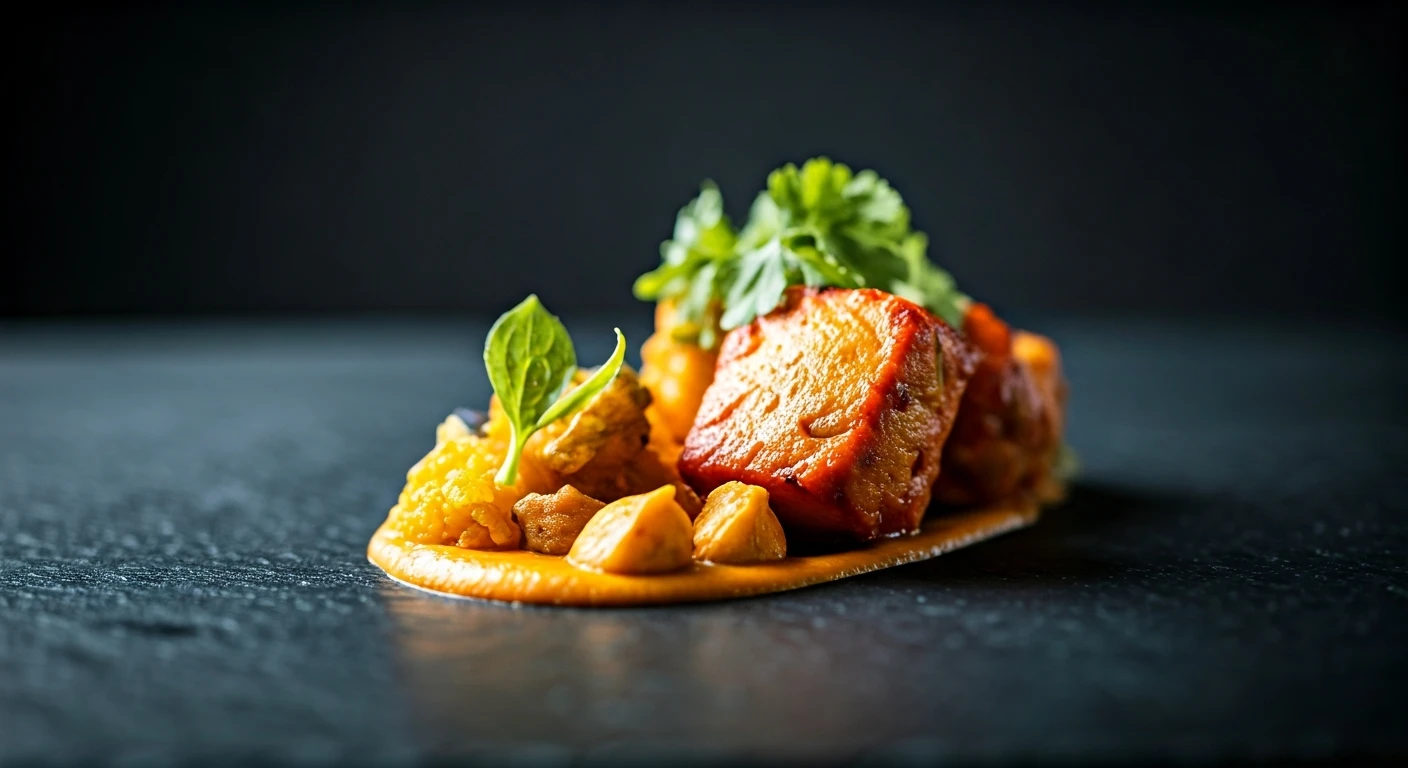
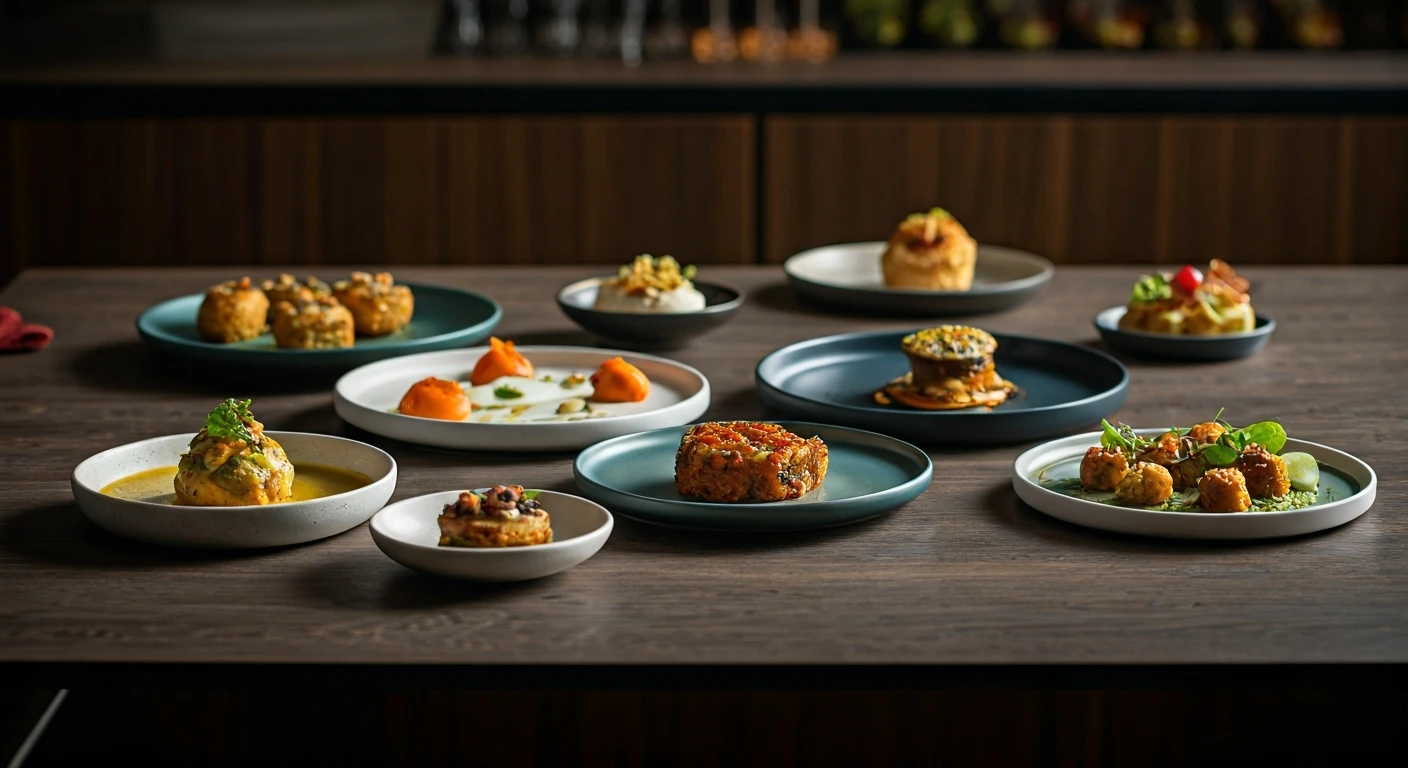
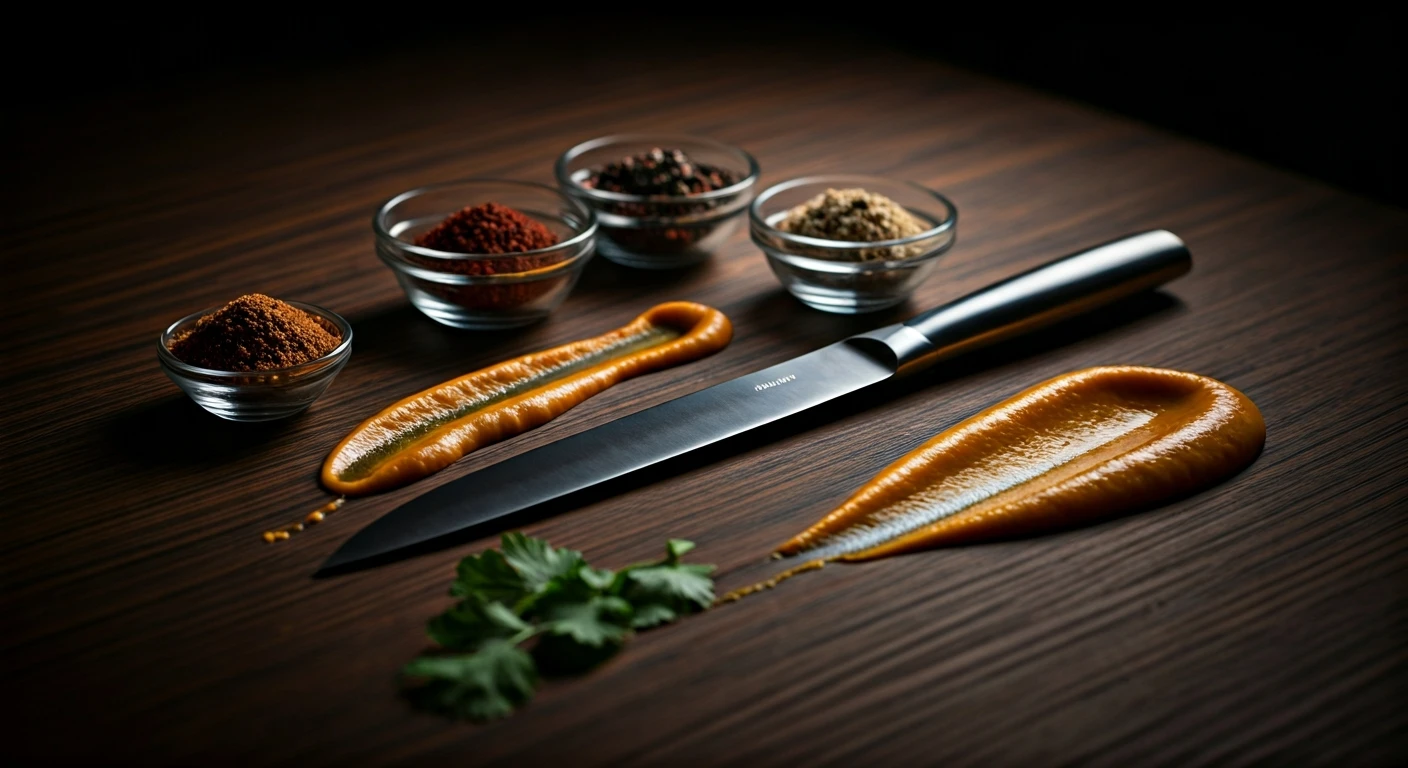
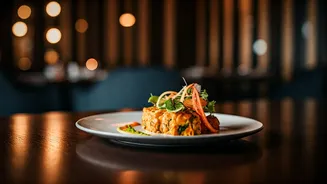
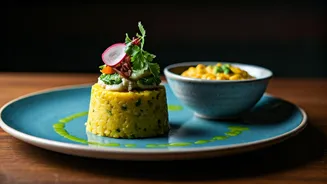
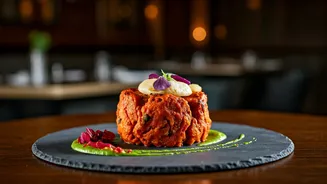
So what does this “smarter glow-up” actually look like on the plate? It’s not about deconstruction or foam. It’s about thoughtfulness and intention. 'Smarter' means a focus on hyper-regionality. Instead of just 'curry,' a menu might specify a fiery Chettinad dish from Tamil Nadu, a complex stew from Goa, or a rustic preparation from the mountains of Himachal Pradesh. Each dish comes with a story and a sense of place. It also means a commitment to technique and sourcing. These chefs are applying their world-class training to family recipes, perfecting cooking methods to make a goat neck biryani impossibly tender or a piece of fried chicken shatteringly crisp with Tellicherry pepper. They are sourcing high-quality, local ingredients whenever possible, treating a humble lentil with the same respect as a prime cut of meat. This isn't fusion; it's an elevation of tradition, using modern knowledge to make classic flavors sing their loudest.
A Taste of the New India
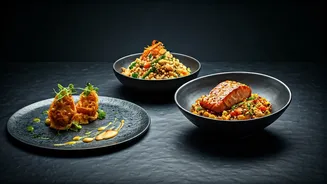
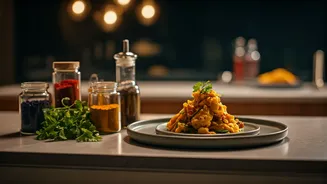
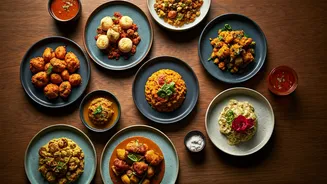
The results are electrifying diners and critics alike. At a restaurant celebrating this new wave, you might find dishes that challenge and delight in equal measure. Forget the standard onion bhaji; you might find esoteric street foods like *podi*-dusted idlis or crispy fried okra. The star of the show might not be chicken, but rather goat, venison, or seasonal fish, prepared in ways that honor their unique textures and flavors. You'll encounter things like Dindigul-style goat biryani, cooked over coals and sealed in a pot; nathai pirattal, a snail stir-fry from rural Tamil Nadu; or gurda kapoora, a robust dish of goat kidneys and testicles popular in Delhi. These dishes aren't 'weird' for the sake of it. They are beloved, everyday foods for millions of people, finally getting their moment in the American spotlight. They invite diners to be adventurous and reward them with a depth of flavor that the old buffet line could only dream of.