





Beyond the Yogurt Aisle
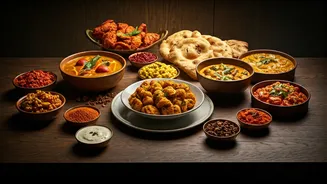
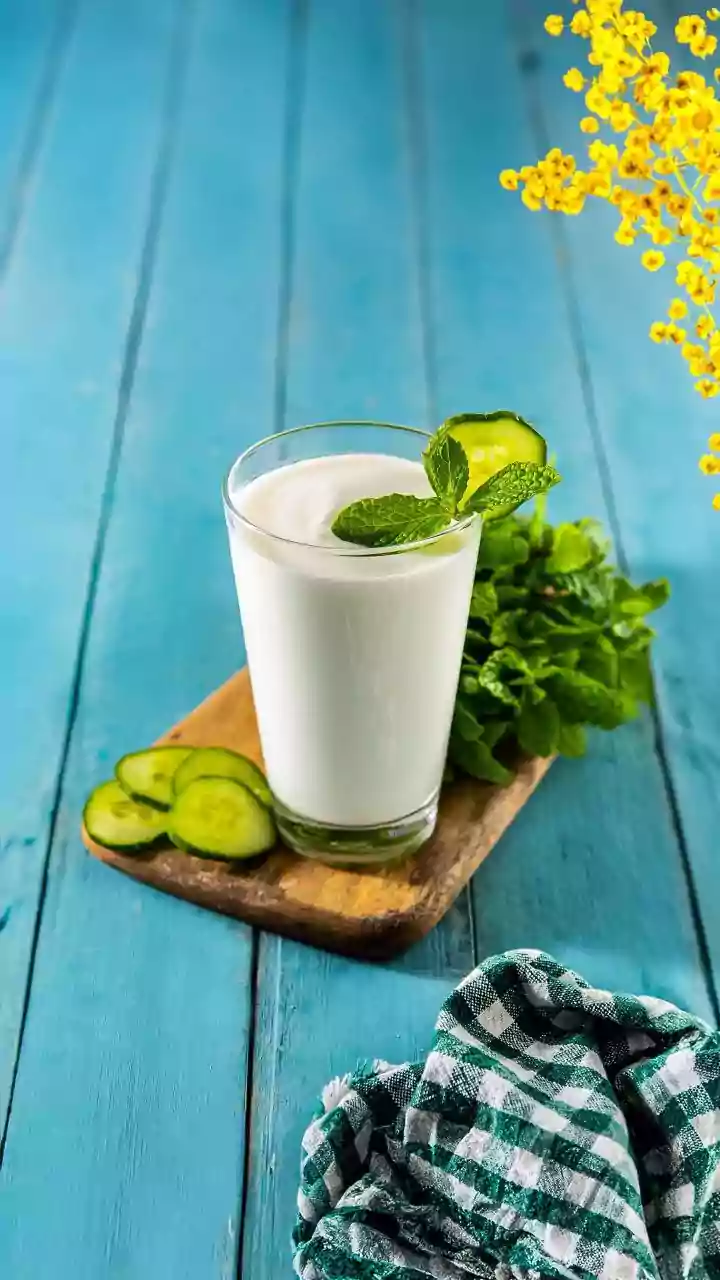
When Americans think of Indian food, the vibrant curries, tandoori meats, and fluffy naan breads often come to mind. Even those familiar with dahi (yogurt) and its cooling presence in raita might not realize it’s just the tip of a massive fermentation
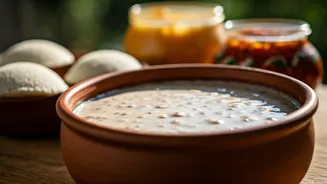
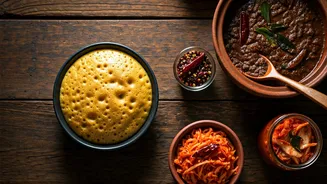
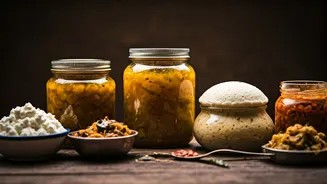
iceberg. Across India’s diverse culinary landscape, fermentation is a foundational cooking technique, not a recent wellness trend. It’s the invisible magic behind the sour tang of a perfectly spongy idli (steamed rice cake) and its crispy counterpart, the dosa. It’s the airy texture of a savory dhokla cake from Gujarat. This isn’t about adding a cultured side dish; it’s about transforming humble ingredients like rice, lentils, and vegetables into something more nutritious, digestible, and flavorful. For centuries, these methods were simply a part of daily life, a way to preserve food, enhance nutrition, and create complex tastes without refrigeration or modern equipment.
The Gut-Health Awakening
So why the comeback now? A huge part of the answer lies in our collective, global obsession with gut health. As science continues to validate the link between a healthy microbiome and overall wellness, consumers are actively seeking out probiotic-rich foods. While kombucha and kimchi have dominated the American market, many are realizing that India’s traditional foods offer a treasure trove of naturally fermented options that have been time-tested for millennia. Take kanji, a deep purple, tangy drink made from fermented black carrots, popular in North India during the winter. It's a probiotic powerhouse that makes for a zesty, savory alternative to sweet kombuchas. Similarly, the fermentation process for idli and dosa batter breaks down phytic acid, making nutrients more bioavailable and the food easier to digest. This alignment with modern wellness goals has given these ancient foods a new, powerful relevance.
A 'Return to Roots' Movement
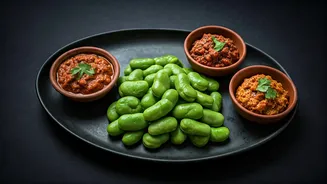
The resurgence isn’t just about health; it’s also a powerful cultural statement. Within India, a growing 'return to roots' movement has seen a renewed appreciation for regional, seasonal, and traditional ways of eating. In a world of fast food and highly processed ingredients, many are looking back to their grandmothers’ kitchens for culinary wisdom. This involves rediscovering hyperlocal fermented specialties, like gundruk (fermented leafy greens) from the Himalayas or akhuni (fermented soybeans) from Nagaland. These foods represent a connection to heritage, a rejection of industrial food systems, and an embrace of sustainable, time-honored practices. This cultural pride is infectious, trickling into diaspora communities and onto the global stage, where chefs and food writers are eager to tell a deeper, more authentic story about Indian cuisine.
New Twists on Old Classics
The 'cool' factor in this comeback comes from innovation. This isn't a static, museum-like preservation of old recipes. Modern chefs in Delhi, Mumbai, New York, and London are playing with these ancient techniques. You might find a fine-dining restaurant serving a delicate beetroot kanji amuse-bouche, a cafe offering avocado toast on a sourdough uttapam (a thick dosa-like pancake), or a bar crafting cocktails with fermented chili brine. Food brands are also getting in on the action, marketing pre-made, high-quality dosa batters made from heirloom grains like millet or quinoa. This creative fusion of old and new is making Indian fermented foods more accessible and exciting for a new generation of eaters who crave authenticity but also appreciate a modern twist. It proves that tradition doesn't have to be rigid; it can be a living, evolving source of inspiration.