


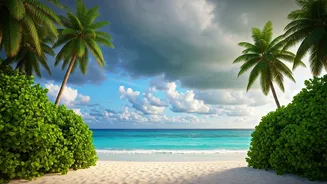
Paradise Suddenly on the Radar
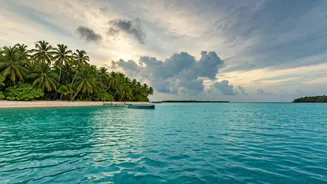
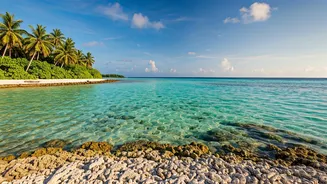
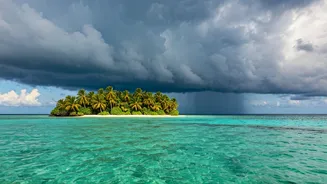
First, let's set the scene. Lakshadweep isn't your typical tourist hotspot. It's a string of 36 remote atolls and coral reefs located a few hundred miles off the southwestern coast of India. Think pristine lagoons, world-class diving, and a quiet, fragile
beauty that feels worlds away from anywhere. For decades, it was a destination known mostly to intrepid divers and travelers seeking true isolation. Then, a recent social media firestorm, sparked by a visit from India's Prime Minister, thrust Lakshadweep into the global spotlight, positioning it as an unspoiled alternative to commercialized destinations like the Maldives. The appeal is obvious: crystal-clear waters, vibrant marine life, and a sense of discovering a hidden gem. But this gem is encased in one of nature's most dynamic settings.
The predictable Rhythm: Meet the Monsoons
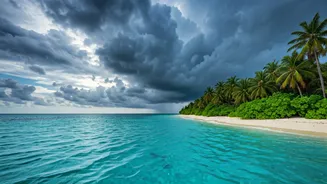
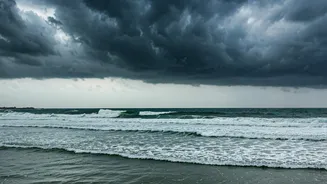
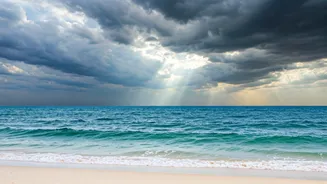
The Arabian Sea's primary "mood" is dictated by the monsoon seasons. This isn't just a bit of rain; it's a massive, seasonal weather system that defines life in the region. The main event is the Southwest Monsoon, which typically slams the area from June to September. During this period, Lakshadweep is largely closed to tourists, and for good reason. The sea becomes incredibly rough, winds are powerful, and torrential rain is the norm. Ferries and small boats, the lifeblood of inter-island travel, cease operations. Even flights to the main airport on Agatti Island can be frequently delayed or canceled. After a brief transition, the gentler Northeast Monsoon arrives from around October to November, bringing lighter, less consistent rainfall. This officially marks the beginning of the tourist season, but the sea can still be choppy.
The Unpredictable Swings: Cyclones and Storms
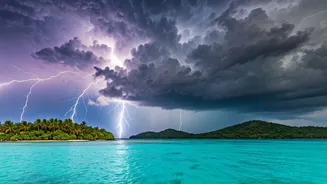
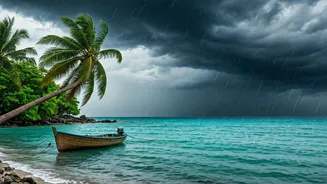
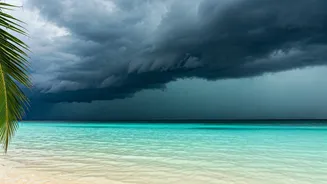
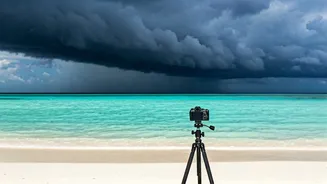
If the monsoons are the sea's predictable rhythm, tropical cyclones are its sudden, violent outbursts. While not an annual occurrence for Lakshadweep itself, the Arabian Sea has seen an increase in the frequency and intensity of cyclones in recent years, a trend climate scientists link to warming ocean temperatures. Storms like Cyclone Ockhi in 2017 and Cyclone Biparjoy in 2023, while not making direct landfall on the main tourist islands, churned the sea into a frenzy for hundreds of miles around. These events create dangerous swells, halt all marine activity, and can cut the islands off for days. Even an unseasonal low-pressure system, far from a full-blown cyclone, can bring several days of stormy weather that grounds flights and makes any water-based activities impossible. This is the ultimate "mood swing" that can derail a meticulously planned vacation.
How It Directly Affects Your Trip
So, what does this mean for your holiday plans? It’s all about logistics and expectations. A trip to Lakshadweep often involves a flight to Agatti followed by a boat transfer to another island where your resort is located. If the sea is too rough, that transfer is canceled. You could be stuck on Agatti, or worse, stuck on your resort island when you're supposed to be flying home. Diving, snorkeling, and glass-bottom boat tours—the very reason most people visit—are the first activities to be called off when the weather turns. Because the infrastructure is limited, there aren't a lot of indoor alternatives. A bad weather spell in Lakshadweep doesn't mean a cozy day in a museum; it means a cozy day in your room, watching the storm rage outside.
So, When Is the Safest Bet?
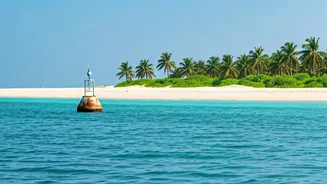
The prime window for visiting Lakshadweep is from mid-October to mid-May. The sweet spot, offering the calmest seas and clearest skies, is generally considered to be from December to March. During this period, the water is like glass, visibility for diving is at its peak, and the weather is consistently warm and sunny. Traveling in the shoulder months of October, November, April, or May can be beautiful and offer slightly lower prices, but you run a slightly higher risk of encountering the tail end of one monsoon or the early rumbles of the next. Traveling from June through September is not recommended or, in most cases, even possible for tourists. Planning around the sea's temperament is not just a suggestion; it's essential.