




The Great Flattening of American Taste
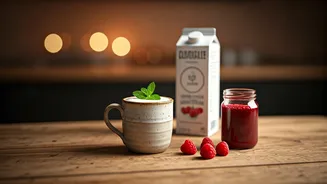
Call it the age of the algorithmic café. Over the past decade, a specific aesthetic has conquered the American brunch and coffee scene. Fueled by Instagram and the desire for a replicable, risk-free business model, a certain sameness has set in. Whether
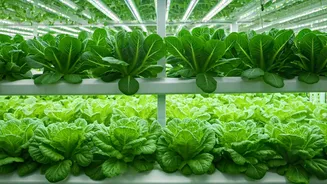
you’re in Boise, Boston, or Birmingham, you can likely find the same flat white, the same kale salad, the same industrial-chic interior with exposed brick and hanging plants. It’s clean, predictable, and photogenic. But for many, it’s also become profoundly boring. This isn’t a critique of any single dish—avocado toast can be delicious—but of the monoculture it represents. Café fatigue is the quiet exhaustion that comes from experiencing a culinary landscape that feels increasingly curated by trends rather than created from a place of passion or personality. When every café offers a slightly different version of the exact same things, the experience of dining out loses its sense of discovery and surprise. It becomes less about exploring a place and more about consuming a globalized, de-contextualized product.
The Rise of the Hyper-Specific
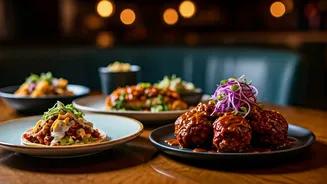
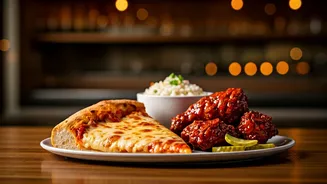
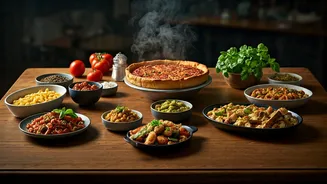
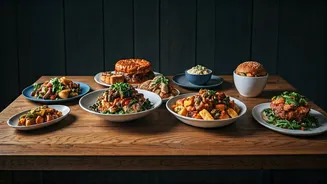
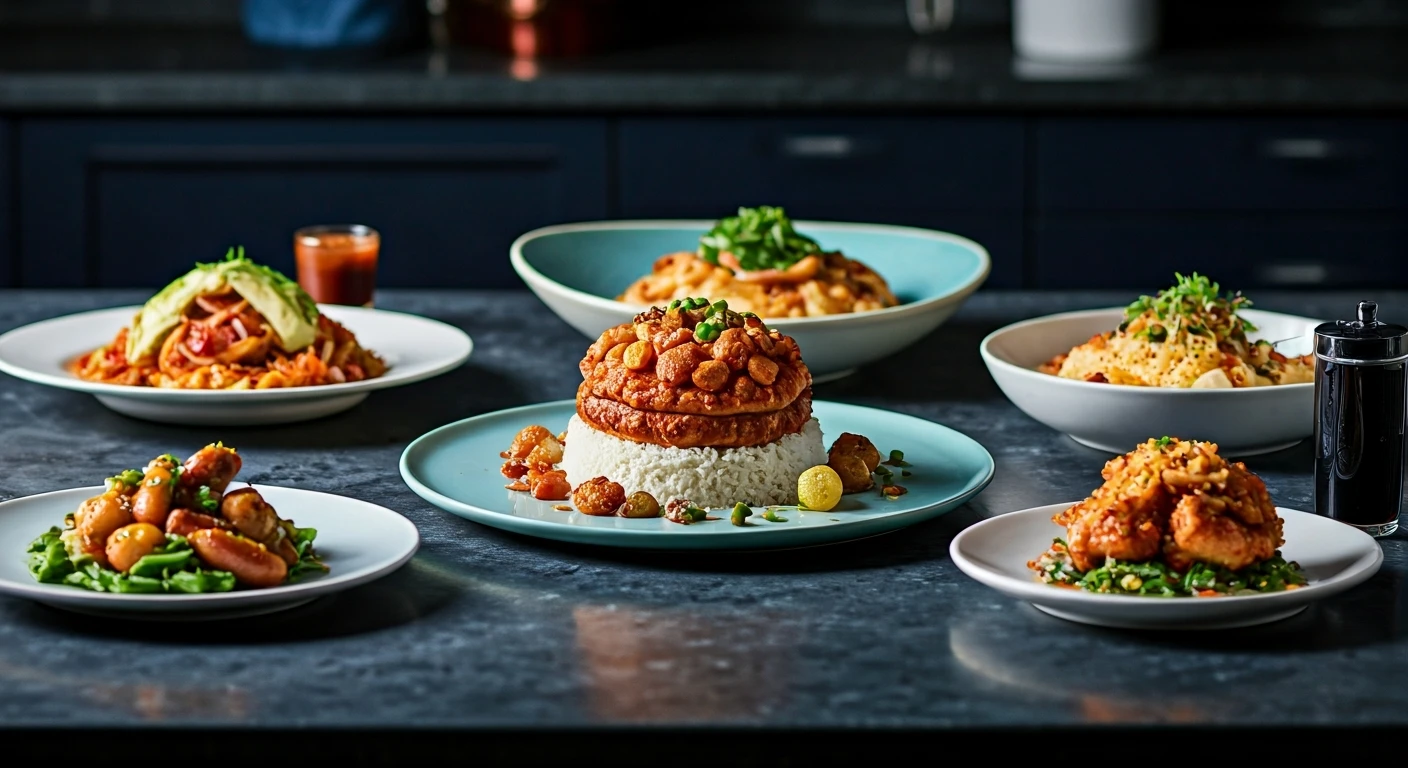
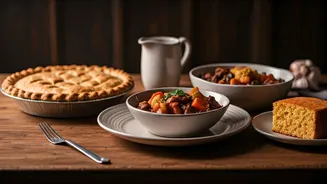
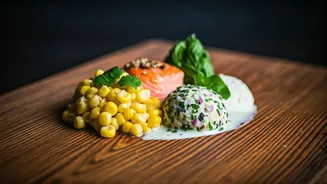
The antidote to this fatigue isn’t another fleeting trend; it’s a turn towards something much older and more grounded: regional home food. This isn't the high-concept, fine-dining interpretation of a region. It’s the food of a specific place, cooked with the memory and spirit of a home kitchen. Think of the humble, soul-satisfying pinto beans, cornbread, and fried potatoes of Appalachia; the rich, complex moles of Oaxacan-American communities in California; the hearty stews and fish boils of the Upper Midwest; or the distinct Gullah Geechee rice-based dishes of the Carolina Lowcountry. These are cuisines that can’t be easily replicated or franchised because their magic lies in their specificity. They are tied to a particular history, a unique pantry of ingredients, and generations of passed-down techniques. This food tells a story. It’s not designed to be a neutral backdrop for a social media post; it’s the main event, demanding your full attention with flavors that are deep, nuanced, and often completely new to outsiders.
From Farm-to-Table to Grandma's Kitchen
Why is this happening now? The pandemic undoubtedly accelerated a collective craving for comfort and nostalgia. After years of disruption, the appeal of food that feels like a warm hug is undeniable. But the trend runs deeper. It represents a maturation of the American palate and an evolution of the farm-to-table movement. For years, “local” food was defined by proximity—the cheese from the next town over, the tomatoes from a nearby farm. Now, “local” is becoming more about cultural authenticity. Diners are realizing that a truly local experience isn’t just about ingredients, but about history and heritage. It’s a search for something real in an overly polished world. This movement is also being driven by a new generation of chefs who are proudly reclaiming the culinary traditions of their parents and grandparents. Instead of feeling pressured to cook French or Italian food to be considered “serious,” they are finding critical and commercial success by exploring and elevating the food they grew up with.
A More Deliciously Diverse America
This shift is more than just a pendulum swing from one style of eating to another. It signals a growing appreciation for the incredible diversity of America’s own culinary landscape. For too long, “American food” has been narrowly defined as burgers, hot dogs, and barbecue. The embrace of regional home cooking challenges that idea, celebrating the country as a mosaic of distinct food cultures, each with its own traditions and treasures. This isn't about rejecting the modern café outright. There will always be a place for a good cup of coffee and a well-executed brunch. But the excitement is moving toward menus that teach you something, that connect you to a person and a place, that offer a flavor you simply can’t get anywhere else. It’s a vote for food with a soul, food that’s rooted in a story, and food that can’t be reduced to a hashtag. In a world of endless copies, diners are finally seeking out the originals.