





From Trash to Treasure
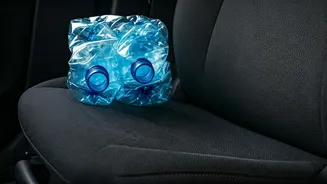
It sounds like a magic trick, but it’s one of the most practical new trends in the world of baby gear. Major brands like UPPAbaby and Graco are leading a charge to transform single-use plastic bottles—the kind that often end up in landfills or oceans—into
the soft, durable fabrics used in their car seats. This isn't just a gimmick; it's a sophisticated process of upcycling that gives a second life to waste materials, turning a potential pollutant into a protective product for children. The result is a material often referred to as rPET, which stands for recycled polyethylene terephthalate. It’s the same type of plastic as a standard water or soda bottle, but it’s been re-engineered into high-quality polyester yarn. For parents, this means a new generation of products that align environmental consciousness with the non-negotiable need for safety and quality.
How a Bottle Becomes a Seat
The journey from a recycling bin to a car seat is a multi-step marvel of modern manufacturing. It begins once the plastic bottles are collected, sorted, and sent to a recycling facility. There, they are thoroughly washed to remove labels, caps, and any residue. Next, the clean bottles are shredded into tiny, confetti-like flakes. These flakes are melted down into a thick, molten liquid and then extruded through tiny holes, much like a pasta maker, to create long, thin filaments of polyester fiber. This fiber is then spun into yarn, which can be dyed and woven into the high-performance fabrics you see on store shelves. For example, UPPAbaby’s MESA V2 car seat, in its “PASCAL” gray color, uses fabric made from recycled bottles. Graco has an entire “ReNewed” line of products that follow the same principle. A single car seat can repurpose dozens of bottles, turning a significant amount of waste into a single, valuable item.
The Eco-Friendly Advantage
The primary benefit is obvious: diverting plastic from landfills and waterways is a massive win for the environment. Every car seat made with recycled materials represents bottles that aren't clogging ecosystems for hundreds of years. But the positive impact goes even deeper. Creating polyester from recycled plastic uses significantly less energy—often over 50% less—than producing virgin polyester from petroleum. It also requires less water and results in lower carbon emissions, reducing the product's overall environmental footprint. But for parents, there's another compelling, and more immediate, benefit. Many of these innovative recycled fabrics are engineered to be naturally flame-retardant without the use of added chemicals. For years, consumer advocates have raised concerns about the chemical fire retardants traditionally applied to car seat fabrics. This new wave of materials often meets federal flammability standards through the inherent properties of the yarn's structure, offering peace of mind on multiple fronts.
But Is It Safe?
For any parent, the word “recycled” connected to a child safety device can raise an immediate question: is it as safe? The answer is an unequivocal yes. Car seats are one of the most rigorously regulated consumer products in the United States. Every car seat sold must meet or exceed strict federal safety standards for crash performance and material flammability (known as FMVSS). The use of recycled fabric does not change this requirement in any way. Brands invest heavily in testing to ensure their materials, whether virgin or recycled, hold up to these standards. The fabrics are tested for durability, toxicity, and their ability to withstand the forces of a crash. In reality, the material’s origin story as a plastic bottle has no bearing on its final performance as a woven textile. It's simply a different, more sustainable source for the raw material. The result is a product that offers the exact same level of certified safety, but with a much smaller cost to the planet.