
So, What Is This Mythical Valley?
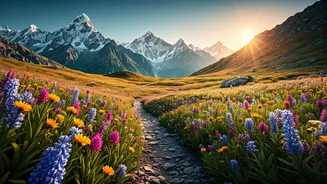
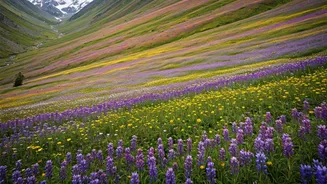
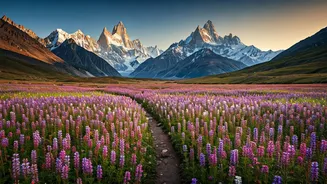
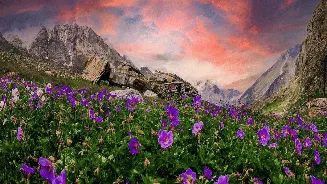
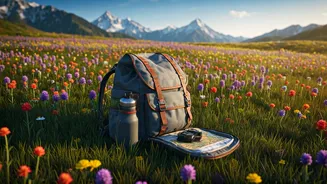
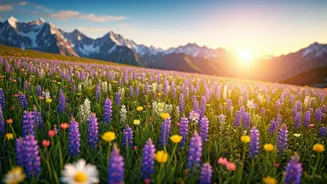
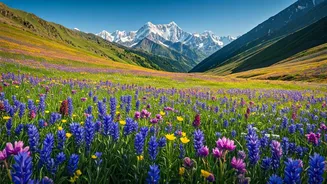
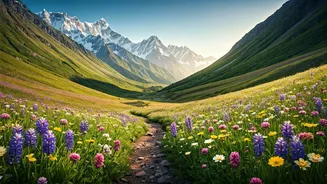
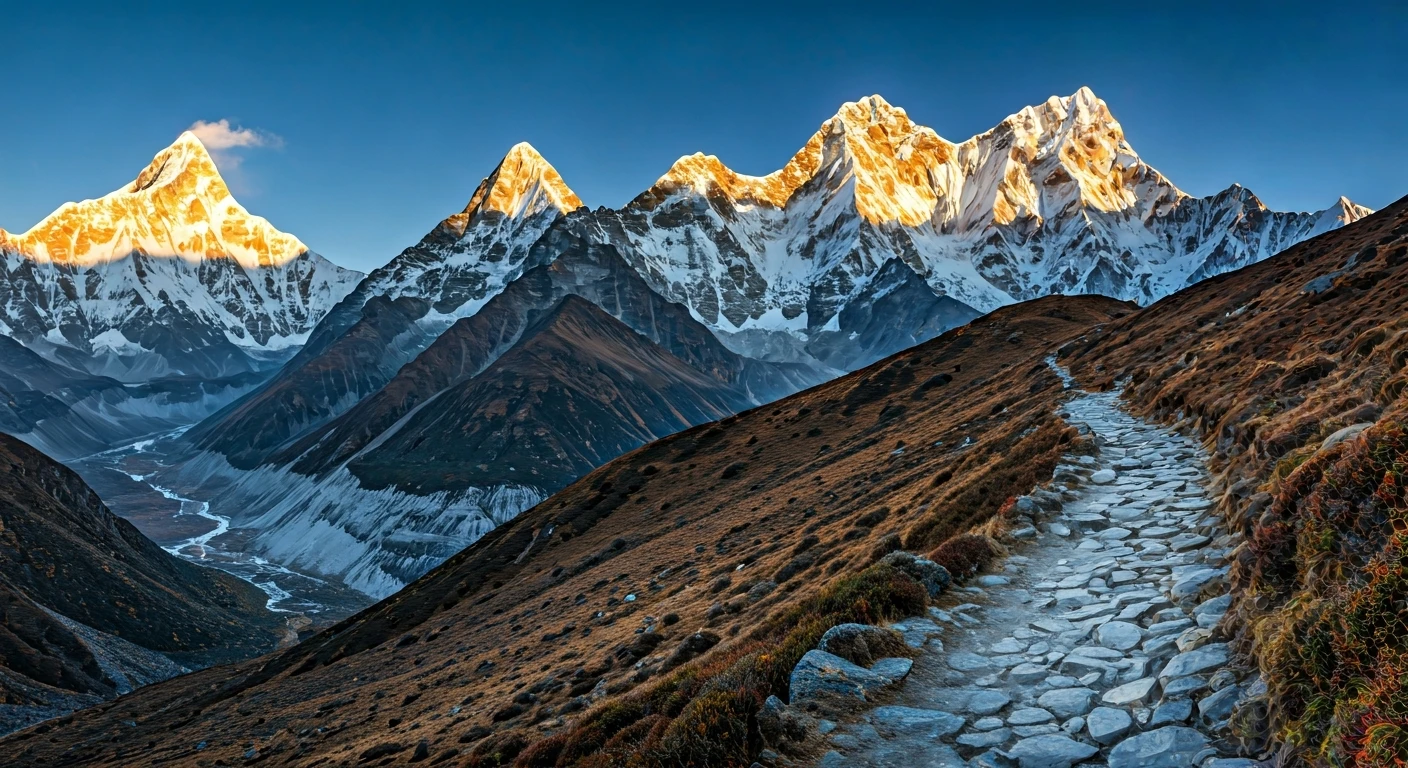
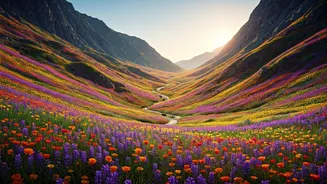
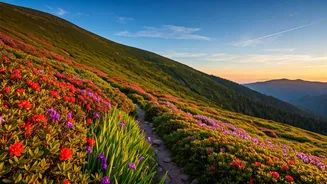
Imagine a high-altitude Himalayan valley, cradled between snow-streaked peaks, that for a few short months each year explodes into a carpet of vibrant, wild alpine flowers. That’s the Valley of Flowers National Park in Uttarakhand, India. This isn't just
any pretty meadow; it’s a UNESCO World Heritage Site, recognized for its stunning meadows of endemic flora. For decades, it has been a holy grail for botanists, nature photographers, and trekkers seeking a landscape of almost supernatural beauty. The valley is home to over 500 species of flowers, including the elusive and celebrated blue poppy, cobra lily, and brahmakamal. It's a real-life fairy tale setting, but one you have to work to get to.
The Journey Is Part of the Magic
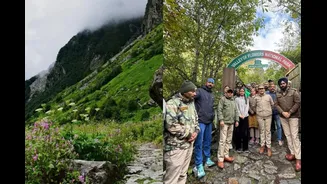
This isn't a drive-up destination. The trek to the Valley of Flowers is a multi-day journey that is as much a part of the experience as the destination itself. Most trekkers start their journey from the village of Pulna, which is a short drive from Joshimath. From there, it's a moderately challenging trek of about 8-9 miles to Ghangaria, a small, bustling base camp village that serves both the Valley of Flowers and the sacred Sikh pilgrimage site of Hemkund Sahib. Ghangaria is your home for a few nights, a rustic outpost with basic guesthouses and a palpable sense of shared adventure. The trek from Ghangaria into the valley itself is a shorter, 2-3 mile walk that takes you across a bridge, past a glacier, and through a forest before the landscape opens up into the breathtaking floral expanse. It’s challenging enough to feel like an accomplishment, but accessible to anyone with a decent level of fitness and a good pair of hiking boots.
Why the Renewed Buzz Now?
So why is this classic trek suddenly lighting up social media and travel chats again? It's a combination of factors. First, the 'Instagram effect' is in full swing; photos of the valley’s surreal beauty are powerful motivators. Second, infrastructure improvements in the region have made the journey to the trailhead smoother and more reliable than in years past. Finally, after years of restricted travel, there's a collective, pent-up demand for epic, meaningful outdoor experiences. People aren't just looking for a vacation; they're looking for a pilgrimage, a challenge, and a story to tell. The Valley of Flowers delivers on all three, offering a rare mix of physical effort, spiritual ambiance (thanks to its proximity to other holy sites), and profound natural beauty.
Timing Is Everything
Here's the crucial detail: the valley has an extremely short season. It’s accessible only from June to early October, with the peak bloom happening during the monsoon months of July and August. Yes, that means you'll be trekking in the rain. Expect misty mornings, dramatic clouds clinging to the mountainsides, and the occasional downpour. But the rain is precisely what brings the valley to life. The moisture nourishes the flowers, and the clouds add a layer of mystery and drama to the landscape. A waterproof jacket and good humor are non-negotiable packing items. Attempting to go outside this window means you'll be met with either deep snow or a barren, flowerless valley.
Don't Miss the Spiritual Side-Quest
From the same base camp at Ghangaria, a much steeper and more demanding trail leads in the opposite direction to Hemkund Sahib. This is one of the most revered Sikh pilgrimage sites in the world, a stunning high-altitude lake (at over 15,000 feet) flanked by seven mountain peaks, with a gurdwara (Sikh temple) on its shore. Even for non-religious trekkers, the journey is worth the effort. The atmosphere is electric with devotion, as pilgrims of all ages make the arduous climb. The views are staggering, and sharing a cup of hot tea and a simple meal at the gurdwara’s langar (community kitchen) is a humbling and unforgettable experience. It adds a powerful cultural and spiritual dimension to the natural wonder of the Valley of Flowers.