



More Than Just a Meal
For most of us, food is about flavor, convenience, or celebration. But in many temple traditions, cooking and eating are acts of spiritual practice. Temple cuisine, whether from a Buddhist monastery in Korea or a Sikh gurdwara in Punjab, is built on a foundation
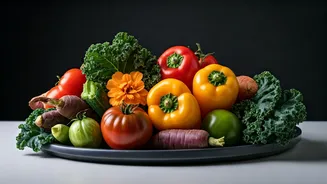
of profound principles. It is almost always vegetarian or vegan, rejecting harm to living beings. It emphasizes using seasonal, locally sourced ingredients, not as a trend, but as a way of living in harmony with the natural world. There’s a deep respect for avoiding waste, where every part of a vegetable might be used. And crucially, the state of mind of the cook is considered an essential ingredient, infusing the food with peace and positive energy. This isn’t about elaborate technique; it’s about a mindful, ethical approach to nourishment that connects the body, the spirit, and the earth.
The Zen of Flavor
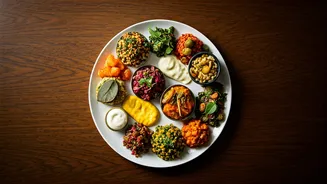
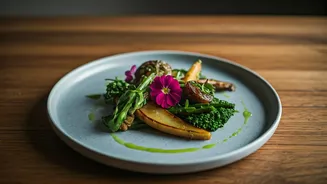
Perhaps the most visible example of this trend comes from Korean Buddhist temple cuisine, brought to global attention by the monk Jeong Kwan in the Netflix series *Chef's Table*. This style of cooking is a masterclass in subtlety. It traditionally omits the five “pungent spices”—onions, garlic, scallions, chives, and leeks—which are believed to overstimulate the senses and hinder meditation. At first, this might sound bland to a Western palate accustomed to allium-heavy flavor bases. But the result is a cuisine that allows the true, delicate flavors of vegetables to shine. Chefs are drawing inspiration from this minimalist philosophy, learning to build complexity through fermentation (like soy sauce and doenjang, or soybean paste), dehydration, and a deep understanding of natural umami. It’s a shift from overpowering ingredients to enhancing them, creating dishes that feel clean, vibrant, and surprisingly complex.
The Communal Table's Ethos
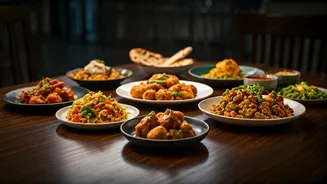
Another powerful stream of influence comes from the Sikh tradition of the langar. In gurdwaras around the world, volunteers prepare and serve a free vegetarian meal to anyone, regardless of faith, caste, or background. Everyone sits on the floor together, eating the same simple, nourishing food—typically dal, roti, and a vegetable curry. The langar is an expression of radical hospitality and equality. While restaurants are commercial ventures, the ethos of the langar is seeping into the consciousness of the food world. It champions the idea that a meal can be a form of service and community-building. This spirit is reflected in the growing number of non-profit restaurants, pay-what-you-can cafes, and a renewed focus on hospitality as a genuine act of welcoming, not just a transactional service. It reminds chefs and diners alike that food’s greatest power can be its ability to bring people together.
From Sacred to Secular Menus
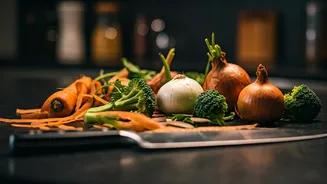
So how does this ancient wisdom become “menu gold”? Chefs across the U.S. are translating these principles into compelling dining experiences. The plant-forward movement, which places vegetables at the center of the plate, is a direct descendant of this thinking. High-end restaurants are creating elaborate tasting menus that are entirely vegan, not as an afterthought, but as the main event, showcasing the versatility of plants in ways previously reserved for meat and seafood. The focus on reducing food waste has led to “root-to-leaf” cooking, where carrot tops become pesto and broccoli stems are pickled. Diners are also responding to the story behind their food. They are increasingly drawn to restaurants that prioritize sustainability, ethical sourcing, and a sense of purpose. In a loud, fast-paced world, a meal inspired by temple wisdom offers more than just sustenance; it offers a moment of tranquility, connection, and mindful consumption.