


The MVP: The Sun-Kissed Tomato
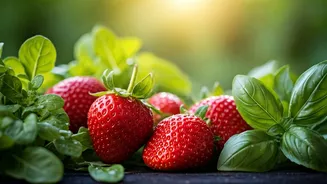
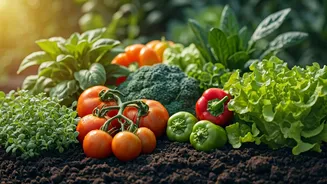
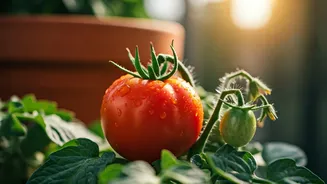
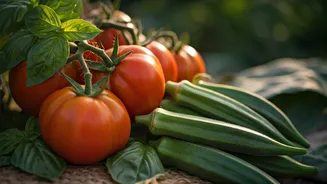
The tomato is the undeniable star of the American summer garden. There's simply no comparison between a homegrown, sun-ripened tomato and its grocery store counterpart. The former is a flavor explosion—sweet, acidic, and complex—while the latter is often
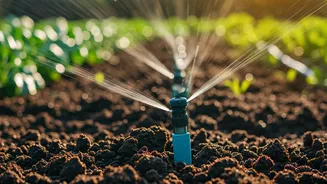
a pale imitation. This alone makes them a top priority for any aspiring kitchen gardener. Your first decision is choosing a variety. For beginners, a hardy cherry tomato plant like 'Sun Gold' or 'Sweet 100' is a fantastic, confidence-building choice, producing hundreds of snackable fruits. If you dream of slicing tomatoes for sandwiches, look for 'Celebrity' (a disease-resistant, reliable producer) or an heirloom like 'Brandywine' for unparalleled flavor, though heirlooms can be more demanding. Tomatoes are sun worshippers, requiring at least 6-8 hours of direct sunlight per day. They are also heavy feeders. Plant them in rich, well-drained soil amended with plenty of compost. Consistent watering is crucial; an irregular schedule can lead to cracked fruit or blossom-end rot. Use a cage or stake to support the plant as it grows, which improves air circulation and keeps the fruit off the ground, preventing pests and disease.
The Perfect Partner: Aromatic Basil
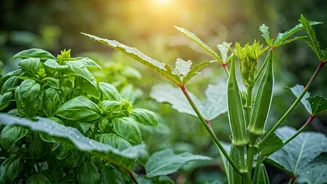
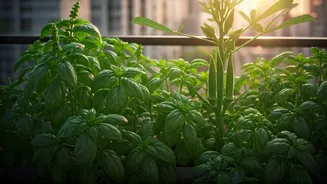
Where you find tomatoes, you should find basil. They are a culinary match made in heaven, but their partnership extends to the garden itself. Basil is a fantastic companion plant for tomatoes, reputed to repel pests like tomato hornworms and whiteflies. Plus, growing them side-by-side is a convenient reminder to harvest them together for a perfect Caprese salad or a batch of fresh pesto.
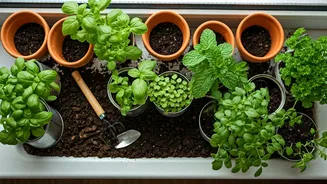
Compared to the tomato, basil is wonderfully low-maintenance. Genovese basil is the classic choice for pesto, while Thai basil offers a spicier, anise-like flavor perfect for Asian-inspired dishes. It grows happily in pots or directly in the garden bed, asking for little more than consistent sunlight and regular watering.
The key to a season-long supply of basil is proper harvesting. Don't just pluck individual leaves. Instead, prune your basil regularly by snipping the stem just above a pair of leaves. This encourages the plant to become bushier and more productive. Pinching off any flower buds that appear will also direct the plant's energy into producing more of those fragrant, delicious leaves.
The Southern Star: Underrated Okra
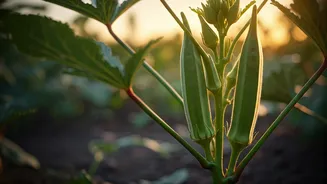
If tomatoes and basil are the classic power couple, okra is the exciting, slightly adventurous third wheel that completes the trio. Often associated with Southern cuisine, this heat-loving vegetable is a surprisingly easy and rewarding plant to grow, especially in warmer climates. Its beautiful, hibiscus-like flowers are an ornamental bonus in any garden.
Okra thrives in the same conditions that tomatoes love: full sun and hot weather. It's not a plant for cool, northern summers, but in most of the U.S., it will flourish from July through the first frost. Plant seeds directly in the garden once the soil has warmed up to at least 65°F. Varieties like 'Clemson Spineless' are popular for their lack of irritating spines on the pods.
The secret to good okra is harvesting it at the right time. The pods grow incredibly fast, and a tender, 3-inch pod can become a tough, woody behemoth overnight. Check your plants daily and harvest pods when they are young and tender. This frequent harvesting also encourages the plant to keep producing. Forget the slimy stereotype; when quickly fried, grilled, or pickled, homegrown okra has a delightful crunch and a unique flavor that provides a perfect textural contrast to the soft tomato and herbaceous basil.