

The Weight of Tradition
In many Indian households, food is the primary love language. A plate isn’t just a plate; it’s an offering of affection. “Have you eaten?” is often the first question asked, a greeting more fundamental than “How are you?” Celebrations are marked by feasts,
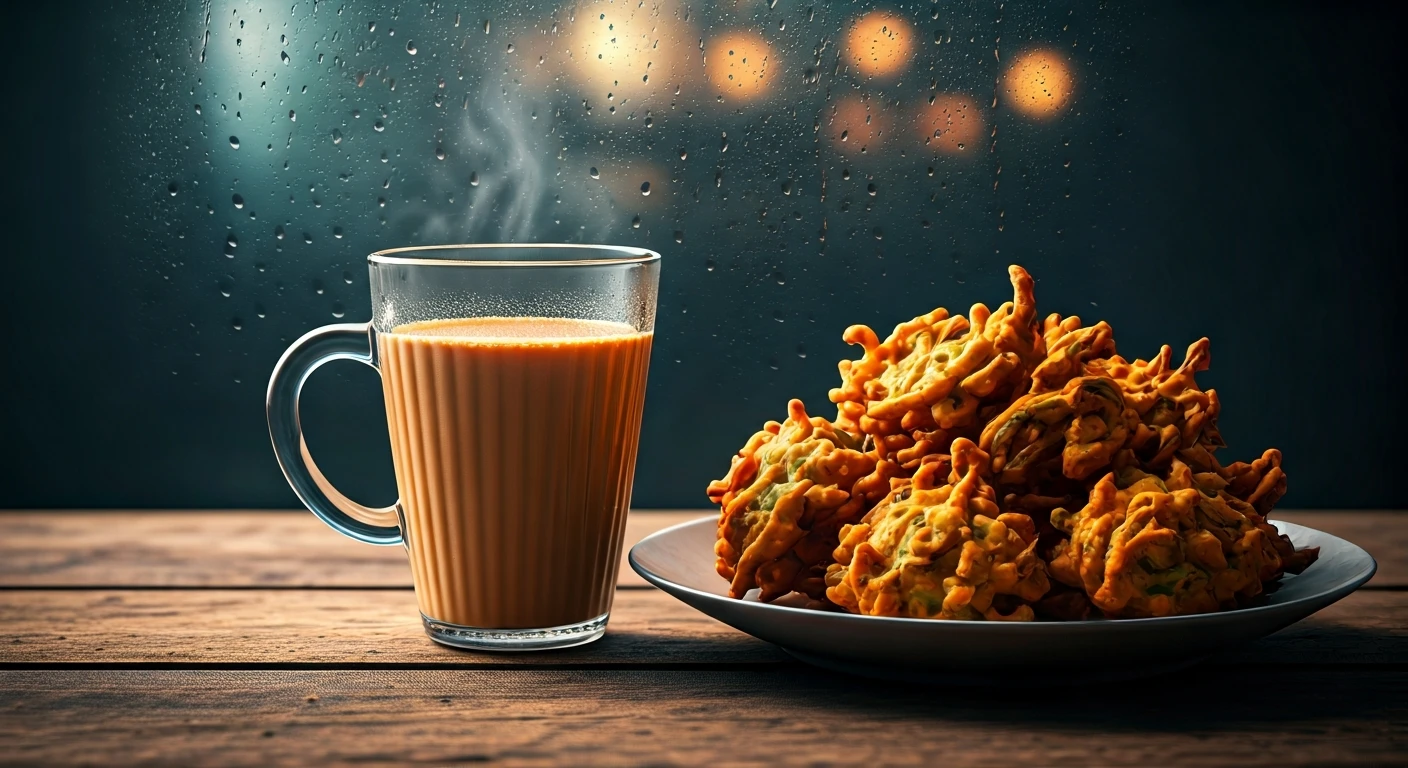
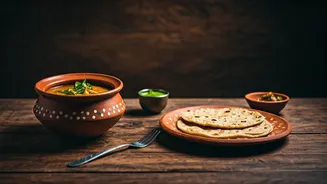
where richness is a sign of prosperity and generosity. Ghee-laden curries, deep-fried pakoras, and sugar-soaked sweets like gulab jamun are not just dishes; they are symbols of joy, community, and abundance. This culinary heritage is passed down through generations, with grandparents and parents showing their care by ensuring you are, above all, well-fed. To refuse a second helping can feel like rejecting the love itself, creating a powerful emotional bond with food that goes far beyond simple nutrition.
When Culture Clashes With Kale
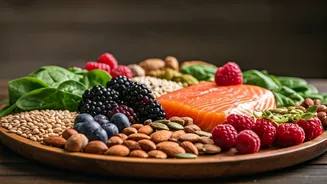
Now, place that rich, emotionally charged food culture into the modern American wellness landscape, a world dominated by kale smoothies, keto diets, and a near-constant war on carbs, fat, and sugar. The result is a potent cocktail of confusion and guilt. For many Indian Americans, especially second- and third-generation individuals navigating a dual identity, a bowl of their grandmother’s butter chicken can feel like a delicious betrayal of their health goals. Mainstream wellness advice often fails to account for cultural cuisines, implicitly labeling entire food traditions as “bad.” This creates a painful dichotomy: honoring your heritage feels unhealthy, while pursuing health feels like a rejection of your culture. The guilt isn't just about calories; it’s a deeper anxiety about where you belong and whether your identity is compatible with your well-being.
Hacking the Heritage Kitchen
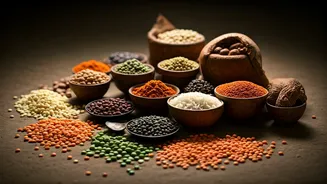
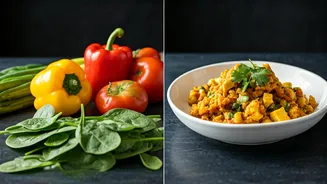
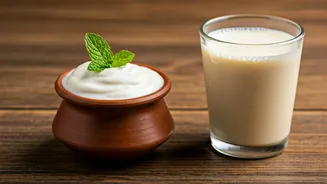
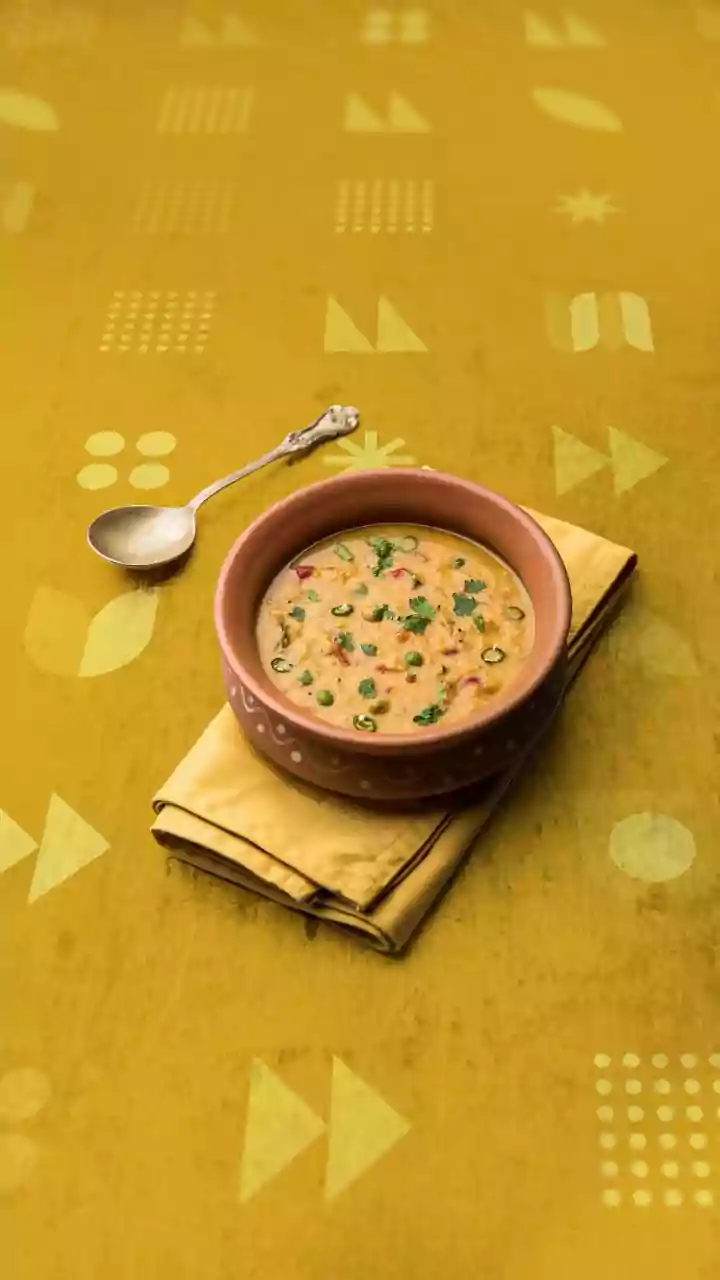
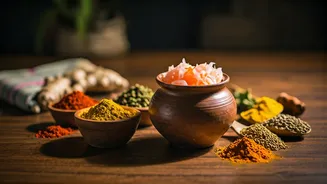
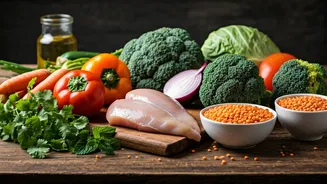
But a new movement is rewriting this narrative. Instead of abandoning their culinary roots, a new generation of Indian Americans is hacking their heritage kitchen. This isn't about deprivation; it's about smart, delicious adaptation. Samosas are being air-fried instead of deep-fried, retaining their crunch without the oil. Heavy cream in curries is being swapped for Greek yogurt or cashew cream, providing richness with a healthier profile. White rice is making way for quinoa, millet, and other ancient grains that have long been part of the subcontinent’s diverse agricultural history. They are rediscovering the inherently healthy foundations of Indian cooking that were always there—the vast world of lentils (dal), the vegetable-forward dishes (sabzi), and the powerful anti-inflammatory properties of spices like turmeric and ginger. This approach isn’t about making a “lesser” version of a classic; it's about creating a sustainable, everyday version that nourishes both body and soul.
A Movement You Can Taste
What started in home kitchens is now a visible and vibrant movement. Across Instagram and TikTok, Indian American dietitians, chefs, and food bloggers are building massive followings by sharing recipes that celebrate this new balance. They provide a vital service: offering permission and practical guidance to enjoy cultural foods without guilt. Their message resonates because it’s authentic and comes from a place of shared experience. This trend is also shaping the market. We’re seeing a rise in fast-casual restaurants offering customizable Indian bowls, brands selling healthier, modern versions of traditional snacks, and cookbooks that champion this philosophy. It’s a powerful testament to how a community can collectively redefine its relationship with its most cherished traditions, making them relevant and resilient for the future.