



The Soul of the Slow Simmer
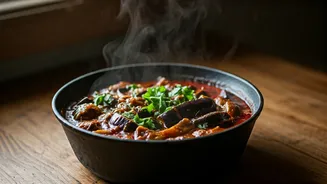
Let’s be clear: when we talk about regional aubergine (or eggplant) curries, we’re not talking about a generic, yellow-powder afterthought. We’re talking about dishes with history, complexity, and soul. Imagine Baingan Bharta from Punjab, where the eggplant is fire-roasted
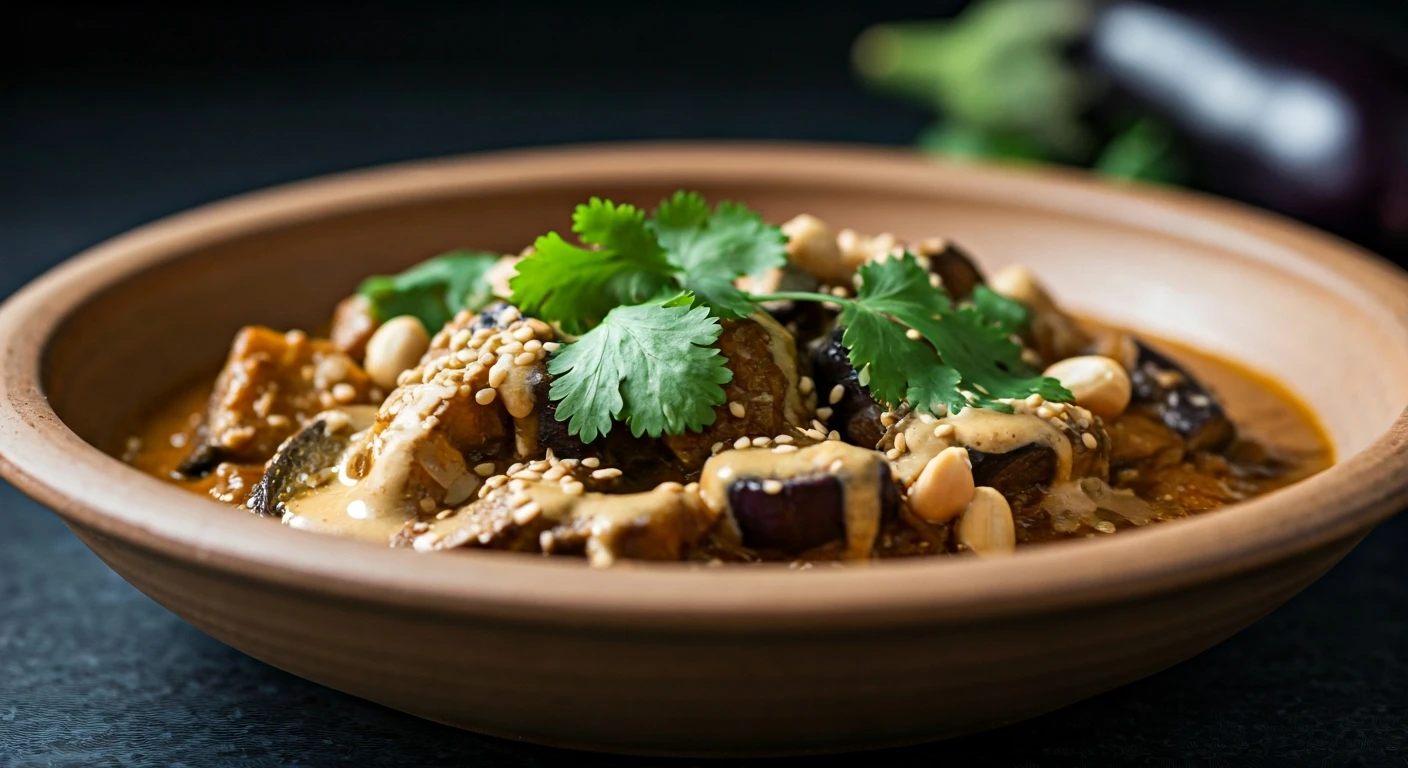
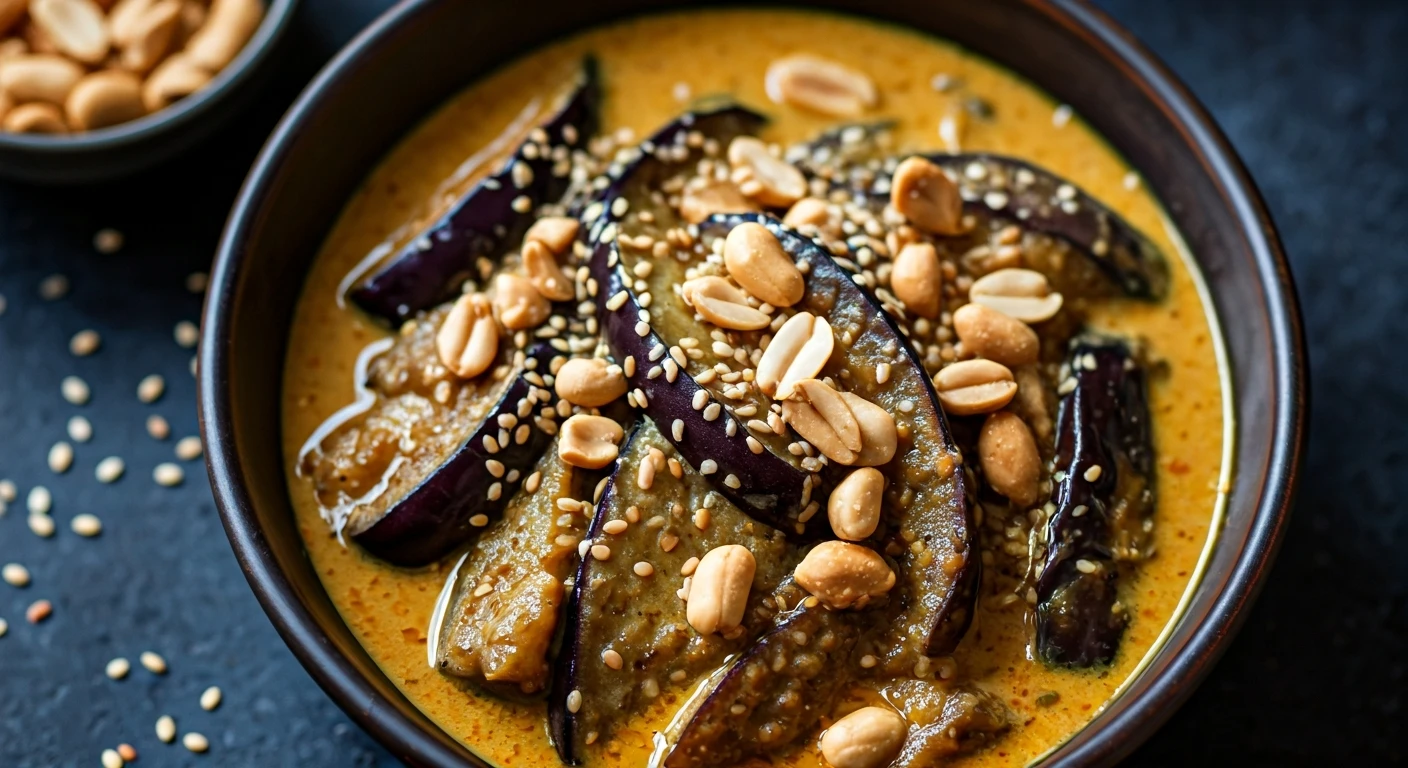
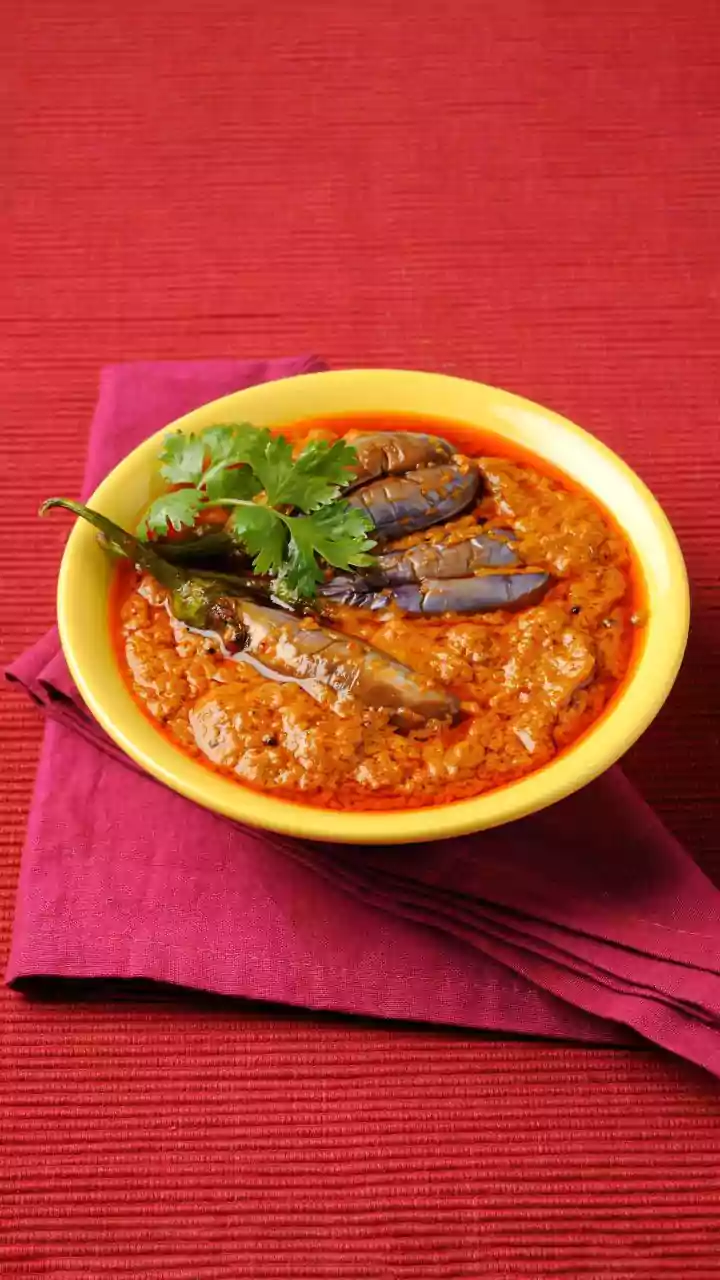
until the skin is blistered and black, then mashed into a smoky, savory matrix of onions, tomatoes, and ginger. Or consider Gutti Vankaya from Andhra Pradesh, where tender baby eggplants are stuffed with a rich paste of peanuts, sesame, and tamarind before being gently simmered in a tangy gravy. These aren’t just recipes; they are culinary traditions, honed over generations to transform the humble eggplant into something extraordinary. The “slow simmer” is where the magic happens, allowing spices to bloom, flavors to meld, and textures to soften into a deeply comforting and satisfying whole. It’s a process that feels like the very antithesis of modern, fast-paced life—which is precisely why it’s becoming so appealing.
Redefining the 'Weeknight'
The headline’s claim that these dishes “dominate” weeknight menus might seem like a stretch. After all, who is starting a three-hour curry from scratch at 6 p.m. on a Wednesday? The truth is, very few people. The secret isn’t that we’ve suddenly gained more hours in the day, but that savvy home cooks have redefined the weeknight workflow. The new weeknight cooking philosophy is less about a 30-minute start-to-finish frenzy and more about strategic, component-based cooking. The “domination” isn’t literal, happening every single night. Instead, it represents a new prioritization of flavor and depth, made possible by planning. A slow-simmered curry on a weeknight isn’t a sign of infinite free time; it’s a sign of a well-executed Sunday.
The Modern Cook's Toolkit
So how does the magic happen? It’s a combination of mindset and modern technology. The most common strategy is the weekend meal prep. Cooks will spend a couple of hours on a Sunday preparing the foundational elements. This might mean making a large batch of the ‘masala’ or gravy base—sautéing the onions, garlic, ginger, and tomatoes, and blooming the spices. Stored in the fridge or freezer, this base can be ready to go in minutes. On a Tuesday, all that’s left is to add the eggplant and let it simmer while you handle other things. The electric pressure cooker, like the Instant Pot, has also been a game-changer. It dramatically slashes the “slow simmer” time, coaxing deep, developed flavors out of ingredients in under an hour, turning a weekend project into a weeknight possibility. These tools don’t compromise the spirit of the dish; they simply make it accessible.
More Than a Meal: A Culinary Connection
The rise of the regional curry in American kitchens is about more than just a delicious dinner. It’s part of a broader cultural shift. Thanks to the internet, food blogs, and social media, home cooks have unprecedented access to authentic, hyper-regional recipes from around the world. For many, it’s a way to connect with their own heritage, recreating the dishes their grandparents made. For others, it’s a form of culinary tourism—a way to explore a new culture through its flavors without leaving their kitchen. Moving beyond a monolithic idea of “curry” and learning the difference between a Tamilian kuzhambu and a Hyderabadi salan is an act of delicious discovery. It reflects a growing desire for authenticity, for food with a story, and for meals that nourish not just the body, but also a sense of curiosity and connection to the wider world.