


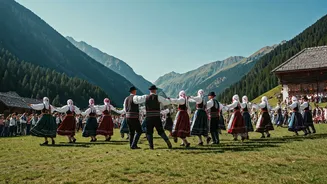


The Grand Stage of the Himalayas
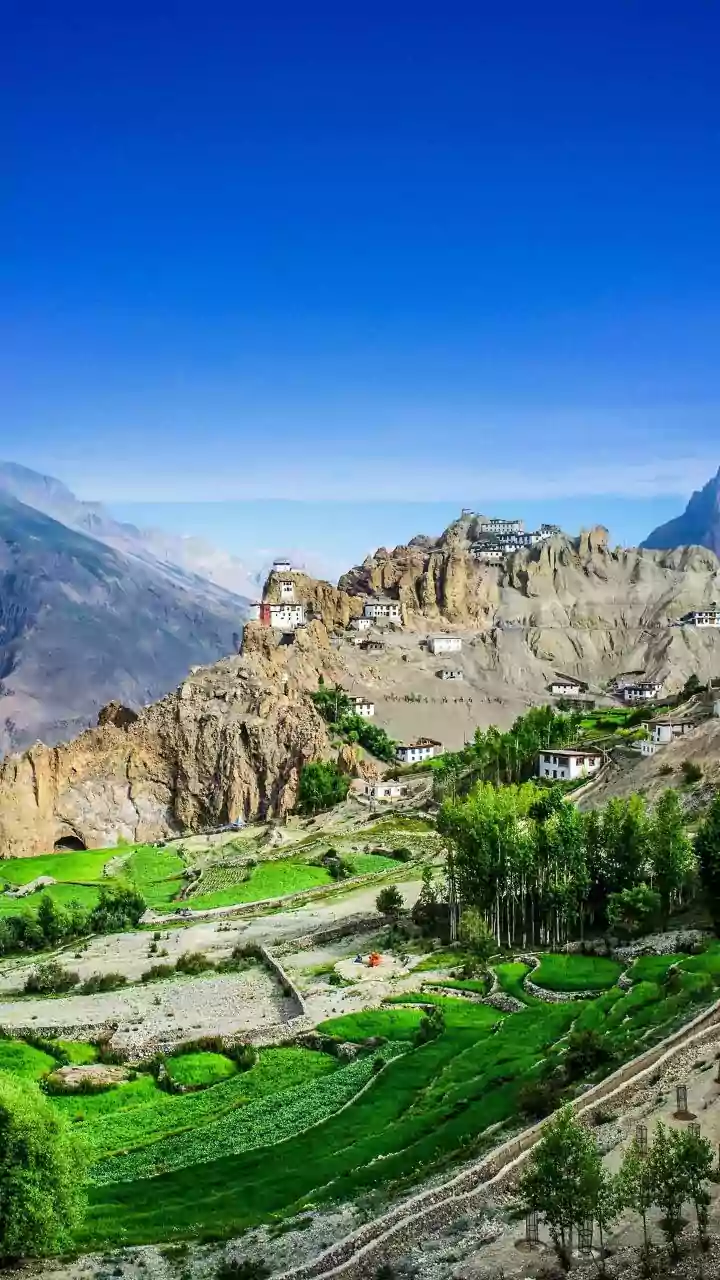
For anyone unfamiliar with the geography of northern India, Shimla is the capital of Himachal Pradesh, a state defined by its dramatic Himalayan landscapes. For over a century, it served as the summer capital of British India, a colonial hill station
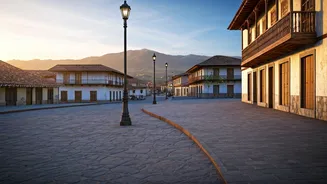
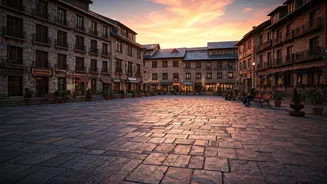
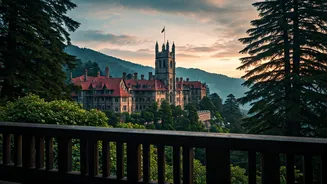
where officials escaped the sweltering heat of the plains. The Ridge is the enduring legacy of that era—a vast, pedestrian-only promenade that connects Shimla's most important landmarks, including the mock-Tudor library and the iconic, canary-yellow Christ Church. But to define it by its colonial past is to miss the point entirely. Today, The Ridge is Shimla’s town square, its gathering place, and its cultural crossroads. It's a space where the crisp mountain air, a remnant of British longing for home, mixes with the distinctly Indian pulse of modern life. Against a staggering backdrop of snow-dusted peaks, this flat expanse becomes a stage for the people of the mountains.
A Tapestry of Himachali Faces
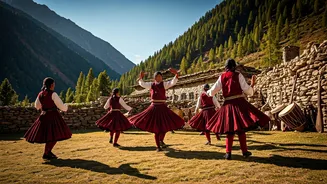
What makes The Ridge feel so alive isn't just the crowd; it's the specific character of that crowd. You see tourists from across India and the world, but they are woven into a fabric of local life. Look closely, and the emblems of Himachali identity are everywhere. You'll see older men chatting on benches, their weathered faces framed by the iconic Himachali topi, a woolen side-cap with a colorful band that signifies their specific region—green for Kullu, maroon for Kinnaur. Women walk by wrapped in pattu, the thick, woolen shawls woven with intricate geometric patterns, a beautiful and practical defense against the mountain chill. Children, cheeks rosy from the cold, dart through the crowds. It's a living museum of highland dress, not performed for visitors, but worn as a simple, authentic fact of daily life. This is where the people from surrounding valleys and villages come to do business, to meet family, to simply enjoy a moment in the sun.
The Sights and Sounds of the Square
The atmosphere is a symphony of low-key commerce and leisure. Photographers wander about, offering to capture your family portrait with the church or mountains as a backdrop, promising a print in minutes. The gentle clip-clop of ponies echoes across the square as they give rides to delighted children, their handlers calling out to attract the next customer. Vendors push carts laden with bhutta (corn on the cob), roasted over hot coals and rubbed with salt and lime—a simple, quintessential Indian street snack that tastes infinitely better in the cool air. There are no blaring horns or engine noise, only the murmur of a hundred conversations in Hindi, Pahari dialects, and English. The space encourages you to slow down. People aren't rushing through; they are inhabiting the space. They sit on the tiered steps, lean against the railings to stare at the distant peaks, and share ice cream cones even when the temperature drops. It’s a collective exhale.
More Than Just a Pretty View
While the panoramic view of the Himalayan range is undoubtedly a primary draw, the enduring magic of The Ridge is how it functions as a cultural nexus. It’s where the state’s past and present converge. The British-built church stands sentinel over a square where local festivals like the Summer Festival are celebrated with folk music and dance. The colonial architecture provides a grand, slightly surreal frame for the vibrant, bustling life of an Indian hill town. This isn't a sanitized tourist attraction cordoned off from reality. It is reality. It’s the place where teenagers meet after school, where families come for their evening stroll, and where the diverse communities of Himachal—from the apple growers of Kotgarh to the shepherds of Chamba—can all find a common ground. It embodies the spirit of the state: resilient, beautiful, and deeply connected to its mountain home, yet open and welcoming to the outside world.