






From Cup to Culture
The simple act of drinking coffee has evolved. Thanks to the “third wave” coffee movement, which emphasizes high-quality beans and ethical sourcing, consumers are more curious than ever about where their coffee comes from. This curiosity has fueled a new
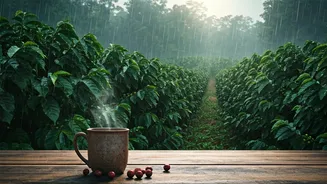
type of travel: coffee tourism. It’s a branch of agritourism that invites visitors to step beyond the cafe and into the world of cultivation. Travelers are no longer content with just tasting the final product; they want to walk through the fields, meet the growers, and understand the journey from cherry to cup. This trend taps into a broader desire for authentic, experiential travel that connects visitors to the land, the culture, and the people behind a beloved global commodity.
The Classic: Colombia's Coffee Triangle
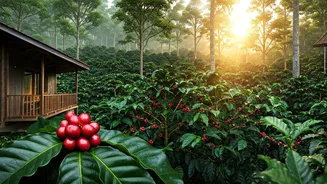
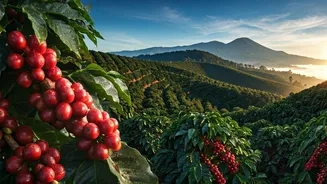
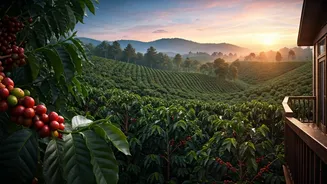
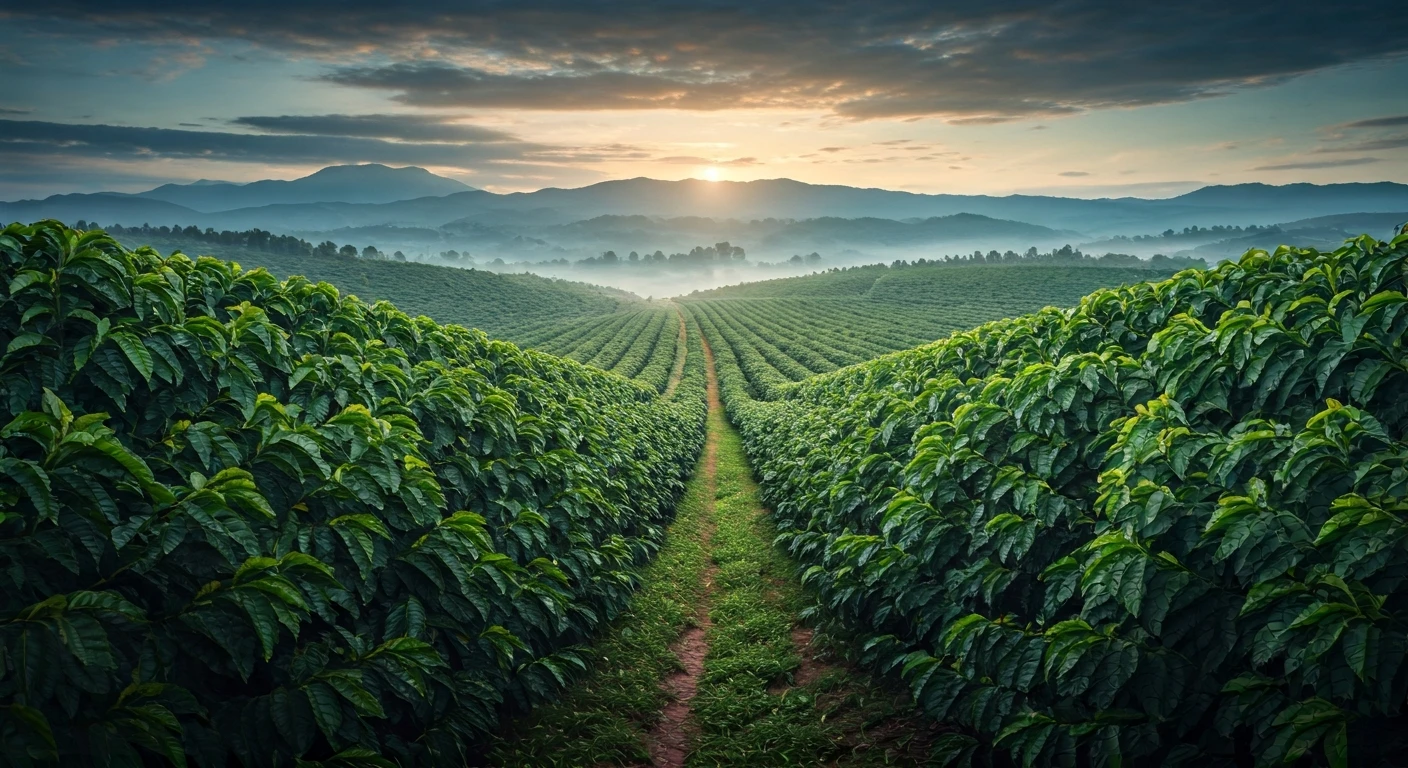
When you picture a coffee plantation, you’re likely imagining Colombia’s “Eje Cafetero,” or Coffee Axis. This UNESCO World Heritage region is the quintessential destination for coffee tourism. Nestled in the verdant Andean hills, traditional farms, known as *fincas*, have opened their doors to guests. Here, the experience is deeply immersive. Visitors can stay overnight in beautifully restored farmhouses, waking up to misty mountain views. Days are spent participating in the harvest, learning to pick the bright red coffee cherries by hand, and following the beans through the washing, drying, and roasting processes. The journey culminates in a “cupping” session, a professional tasting method where you learn to identify the subtle notes of citrus, chocolate, and caramel in the region’s famed Arabica beans.
An American Original: Hawaii’s Kona Coast
You don't need a passport to visit one of the world's most famous coffee-growing regions. The volcanic slopes of Hualalai and Mauna Loa on Hawaii's Big Island provide the perfect microclimate for Kona coffee, a smooth, low-acidity bean prized by connoisseurs. Dozens of small, often family-owned farms dot the Kona Coffee Belt. A trip here is more accessible and often less rustic than in other parts of the world. You can easily drive from one plantation to another, enjoying free tours and generous tastings. The appeal is the unique combination of a tropical American vacation with a world-class agricultural experience. You can spend your morning learning about coffee processing and your afternoon snorkeling in Kealakekua Bay.
The Eco-Luxe Route: Costa Rica and Panama
Central America has long been a leader in ecotourism, and its coffee farms are no exception. In places like Costa Rica’s Tarrazú region or the highlands of Boquete, Panama, sustainability is key. Many estates are deeply integrated with the surrounding cloud forests, promoting biodiversity and organic farming practices. Here, coffee tours are often combined with bird-watching, hiking to waterfalls, and exploring the rich natural landscape. Panama, in particular, has become a bucket-list destination for coffee fanatics thanks to the Geisha varietal, one of the most expensive and sought-after coffees in the world. A stay at a high-end lodge on a Panamanian coffee estate offers a blend of luxury, adventure, and an unparalleled tasting experience.
The Adventurous Palate: Beyond the Americas
For the truly dedicated coffee traveler, the journey extends beyond Latin America. Ethiopia, the birthplace of Arabica coffee, offers a profound cultural experience where coffee ceremonies are a vital part of social life. While the tourism infrastructure is less developed, the reward is a deep connection to the origins of coffee itself. Meanwhile, in Southeast Asia, countries like Vietnam—the world's second-largest coffee producer—offer a completely different perspective. Visitors can explore vast Robusta plantations and immerse themselves in a vibrant coffee culture famous for its strong, sweet brews like *cà phê sữa đá* (iced coffee with condensed milk). These destinations prove that the world of coffee is as diverse and exciting as the world of wine.