



Beyond the Basic Bowl
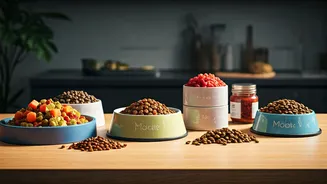
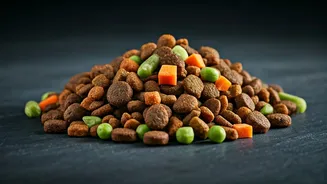
Walk into the home of a Millennial or Gen Z pet owner in any major U.S. city, and you might find their dog or cat eating better than you do. The term "organic pet diet" is a broad umbrella for a rapidly growing market segment that moves far beyond traditional
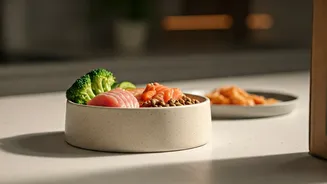
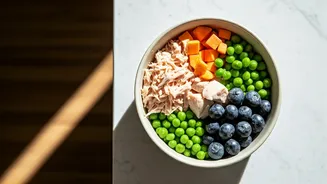
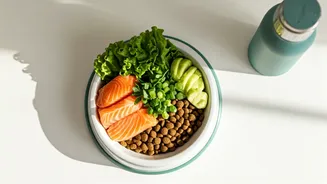
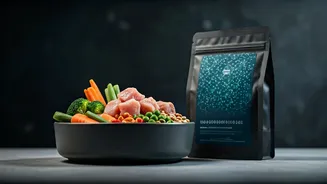
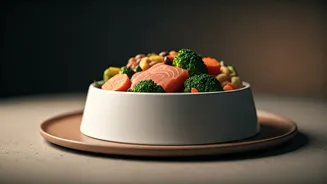
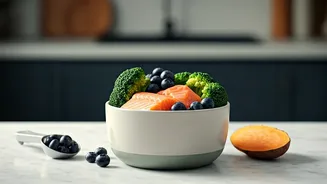
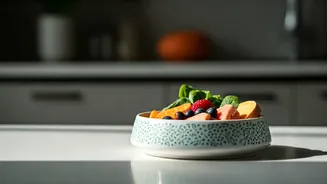
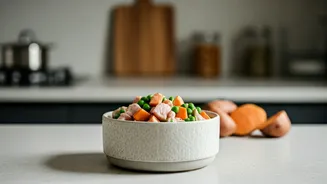
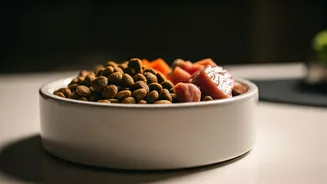
dry kibble. It includes everything from certified-organic processed foods to grain-free formulas featuring exotic proteins like venison or bison. The most visible part of this trend, however, is the rise of fresh and raw food. Companies like The Farmer's Dog and Nom Nom deliver pre-portioned, gently cooked meals made from USDA-grade meats and vegetables directly to consumers' doors, turning pet feeding into a wellness ritual that mirrors human meal-kit subscriptions. This isn't just a niche market anymore; it's a multi-billion dollar industry fueled by a new generation of pet parents.
The 'Fur-Baby' Phenomenon
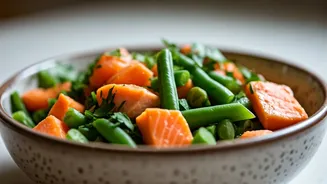
So, why the sudden shift? The core driver is the ongoing “humanization” of pets. For many urban dwellers, especially younger adults who are delaying marriage and children, pets are not just animals; they are family members, or "fur-babies." This emotional shift has profound economic consequences. If your dog is your child, you don’t feed them leftover scraps or mystery-meat pellets. You give them the best you can afford. This trend aligns perfectly with the broader human wellness movement. The same person who tracks their macros, buys organic produce, and avoids processed foods for themselves is now applying that same logic to their pet's bowl. Social media amplifies this, with influencers showcasing their pets' perfectly plated, photogenic meals, creating a new standard for conscientious pet ownership.
The Promise of Perfect Health
The marketing behind these premium diets is powerful, tapping directly into an owner's desire for a long, healthy life for their companion. Brands promise a host of tangible benefits: shinier coats, improved digestion, higher energy levels, weight management, and relief from common allergies. Testimonials and before-and-after photos paint a compelling picture of pets transformed by a simple dietary change. For owners of animals with chronic skin issues or sensitive stomachs, the high price of an organic or fresh diet can feel like a worthy investment if it means fewer vet bills and a happier animal. The appeal is rooted in a sense of control—the idea that by carefully curating what goes into their pet's body, owners can stave off illness and ensure a better quality of life.
The Veterinary Viewpoint
Here's where the narrative gets complicated. While no veterinarian is against high-quality ingredients, many are skeptical of the marketing claims and urge caution. The most important factor in a pet's diet, according to organizations like the American Veterinary Medical Association (AVMA), isn’t whether the ingredients are organic, but whether the diet is “complete and balanced.” This means it contains all the necessary nutrients in the correct ratios for a pet’s specific life stage and has undergone rigorous feeding trials, often following guidelines set by the Association of American Feed Control Officials (AAFCO). Many boutique or raw food diets have not undergone this level of scientific scrutiny. Vets often express concern over nutritional deficiencies in homemade diets and the risk of bacterial contamination (like Salmonella) in raw food. Their advice is consistent: talk to your vet before making a switch, and look for the AAFCO statement on the label over trendy buzzwords.
The Real Cost of Premium Bites
The final consideration is cost. Premium, organic, and fresh pet diets are significantly more expensive than traditional pet food. Feeding a large dog a fresh-food subscription service can easily cost hundreds of dollars a month, putting it out of reach for the average American household. This makes it a distinctly urban and affluent trend, concentrated among households with disposable income to spare on their four-legged family members. While proponents argue the cost is offset by reduced vet bills down the line, that remains an anecdotal claim. The reality is that this level of pampered-pet care is a luxury, creating a new kind of class divide in the pet world between those who can afford human-grade meals and those who rely on the tried-and-true kibble that has nourished pets for decades.