







More Than Just Miles
On any given evening in cities from New York to Los Angeles, you’ll see them: groups of people in their 20s and early 30s, gathered on a street corner, stretching, laughing, and getting ready to run. These aren't elite athletes training for a marathon.
They are members of a new wave of social running clubs, a phenomenon that has exploded in popularity among Gen Z. The run itself is often just the opening act. The main event is what happens before and, more importantly, after—the coffee, the beers, the casual hangouts that stretch long after the last runner crosses the imaginary finish line. For this generation, the running club isn't just about fitness; it's a 'third place,' a consistent, low-stakes environment to meet new people and forge genuine connections outside of work and home.
A Cure for Digital Loneliness
The rise of the social run club isn't happening in a vacuum. It’s a direct response to a digitally saturated, post-pandemic world. Many members of Gen Z spent formative years in lockdown, navigating college or their first jobs through a screen. The result is a deep-seated craving for tangible, real-world interaction. While dating apps and social media promise connection, they often deliver fleeting, curated, and sometimes transactional experiences. Running clubs offer an antidote. The shared challenge of a three-mile jog breaks down social barriers in a way that swiping right cannot. The conversation flows more naturally when you're side-by-side on a sidewalk instead of face-to-face across a table on an awkward first date. It’s a parallel activity that eases the pressure of direct social performance, allowing friendships to develop organically.
Ditching 'Gymtimidation' and High Costs
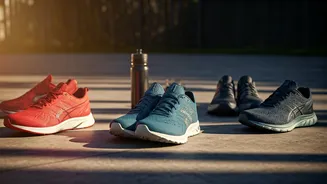
The headline's comparison to a “social gym” is apt, but these clubs succeed precisely because they are everything a traditional gym often is not. Gyms can be intimidating spaces, dominated by mirrors, complex equipment, and an unspoken pressure to look a certain way. This 'gymtimidation' can be a major barrier, especially for those new to fitness. Add in expensive monthly memberships that can run upwards of $100 or more, and the traditional gym model feels increasingly out of touch with a generation prioritizing value and authenticity. Running clubs demolish these barriers. The cost of entry is a pair of sneakers. The environment is inherently inclusive; you just show up. There are no mirrors, no one is judging your form, and the only competition is often with yourself. This come-as-you-are ethos is a powerful draw, creating a space where wellness is decoupled from aesthetics and tied instead to mental health and community.
A Run for Every Vibe
This movement is not a monolith. Part of its strength is its hyper-specific nature, with clubs catering to every possible identity, pace, and mood. You can find “sad girl run clubs” that explicitly link running with mental health, providing a space to process emotions. There are groups like Pansa Boyz, a running collective for plus-sized men of color, creating visibility and community where it was lacking. There are slow-paced clubs for beginners, late-night running crews, and groups that end their runs at a local brewery. This diversity ensures that almost anyone can find their tribe. Unlike a one-size-fits-all fitness chain, the running club ecosystem is a decentralized, grassroots network built on shared interests and a common goal: to move your body and meet your people. It’s less about a workout program and more about finding a place where you belong.