
First, What Is ‘Desi Street Food’?
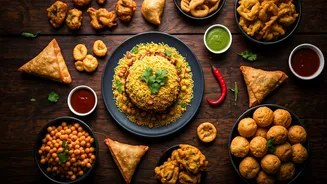
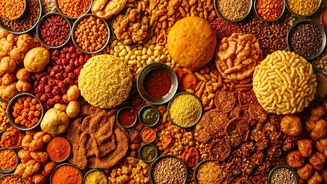
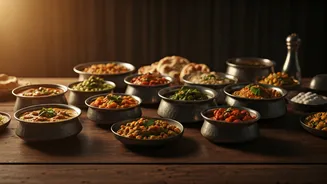
‘Desi’ is a broad, colloquial term for people, cultures, and products of the Indian subcontinent. The street food, or ‘chaat,’ is a universe of flavor all its own. It’s not about a single spice; it’s about a symphony of sweet, sour, salty, spicy, and savory
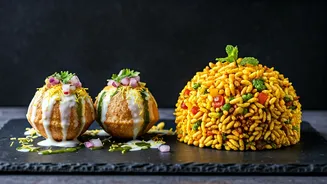
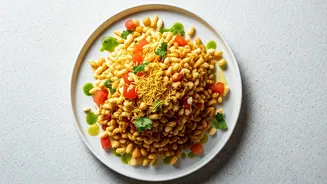
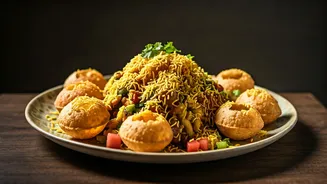
notes hitting all at once. Think of bhel puri, a puffed rice salad with tamarind chutney, potatoes, onions, and cilantro. Or pani puri, where hollow, crispy spheres are filled with flavored water, chickpeas, and spices. This isn't the slow-simmered curry you might get at a formal restaurant. It's fast, fresh, and designed to be an explosive taste experience in every bite. That's the energy these new snacks are trying to bottle.
Potato Chips Go Beyond ‘Masala’
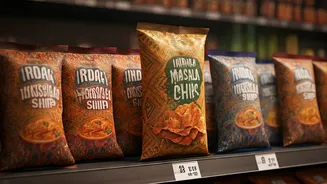
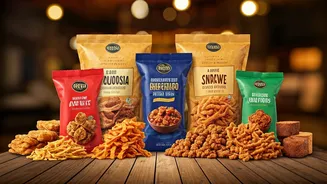
For years, the only ‘Indian-inspired’ chip flavor available in the U.S. was a generic ‘masala’ or ‘spicy curry.’ While tasty, it’s a bit like calling all American food ‘barbecue-flavored.’ The new guard of snack brands is getting much more specific. You’ll now find chips seasoned to mimic the exact flavor profile of dishes like dahi puri (spiced yogurt) or with the tangy kick of amchur (dried mango powder), a key ingredient in many chaats. These chips deliver a layered experience: the initial hit of salt and spice gives way to a tangy, sometimes sweet, finish. It’s a far cry from a one-note spicy chip, offering a journey of flavors that evolves as you chew. Brands are using everything from classic potato slices to lentil and chickpea-based chips as the canvas for these complex seasonings.
Popcorn and Puffs Get a Piquant Punch
The trend isn’t limited to chips. Puffed snacks and popcorn are proving to be perfect vehicles for Desi flavors. Imagine popcorn dusted not with butter, but with the zesty, herbaceous profile of cilantro-mint chutney, or puffs that mimic the sweet and sour notes of tamarind. Because these snacks are lighter and more porous than potato chips, they can absorb nuanced spice blends in a unique way. One popular inspiration is jhal muri, a puffed rice snack from Kolkata mixed with mustard oil, spices, and fresh vegetables. Packaged versions capture its signature pungent kick, offering a snack that is both familiar in texture (like a cheese puff) but completely new in taste.
The Second-Generation Story
So why is this happening now? A huge part of the story is the rise of second-generation South Asian American entrepreneurs. Many grew up enjoying these flavors at home or on family trips abroad, but they also navigated the American snack aisle. They saw a gap in the market for snacks that truly represented their culinary heritage, but in a convenient, modern format. These founders aren’t just approximating flavors; they are recreating them with authenticity and a deep understanding of the culture. They are translating the joyful, chaotic, and delicious experience of standing at a street food stall in Mumbai or Delhi into something you can grab from your pantry. This authenticity is resonating with a broader American audience that is increasingly adventurous and eager for genuine global flavors.
Finding Your New Favorite Snack
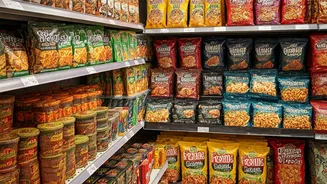
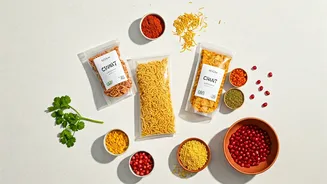
While you might not see a jhal muri-flavored puff next to the Cheetos at every gas station just yet, these snacks are becoming much easier to find. Look for them in the international aisle of larger supermarkets, at specialty grocers like Whole Foods and Trader Joe’s (which has a long history of introducing global flavors), and at South Asian grocery stores. Online retailers are also a goldmine for discovering small, independent brands that are pioneering this movement. Don't be afraid to grab a bag with a flavor profile you don't recognize. Part of the fun is the discovery, and you might just find your new go-to snack for movie night.