




Let's Redefine 'Comfort'
The very definition of comfort is situational. We associate comfort food with warmth, richness, and a certain satisfying heaviness because for half the year, that’s exactly what our bodies crave. A bubbling pot pie is a godsend in February when the wind
is howling and the thermostat is fighting a losing battle. It’s a culinary hug, a dose of internal sunshine. But apply that same logic to August, and the concept falls apart. When the air is thick enough to swim through and the sun is relentless, the last thing that feels comforting is a dish that weighs you down. In summer, comfort isn’t about generating internal heat; it’s about finding delicious relief. It’s the feeling of refreshment, of shedding the day’s heat, of eating something that gives you energy instead of demanding it for digestion. A bowl of beef stew on a 90-degree day isn’t comfort; it’s a self-inflicted heat stroke.
The Power of Seasonal Nostalgia
A huge part of what makes a food “comforting” is nostalgia. We love these dishes because they’re tied to positive memories—often of childhood, family gatherings, and simpler times. And what is summer if not a nostalgia factory? The real taste of comfort in June, July, and August is inextricably linked to memory. It’s the crisp, almost electric sweetness of a slice of watermelon eaten on a porch, juice dripping down your chin. It’s the smoky char of corn on the cob, hastily buttered at a backyard barbecue. It’s the profound simplicity of a tomato sandwich, made with a sun-ripened tomato, a whisper of mayonnaise, and soft white bread—a humble meal that tastes like pure sunshine. These flavors aren’t just light; they are potent vessels of memory. They transport us back to carefree days, family vacations, and the specific joy of a long, lazy evening. That transportive quality is the very essence of comfort.
The Comfort of Actually Feeling Good
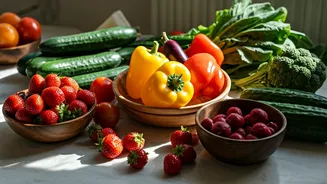
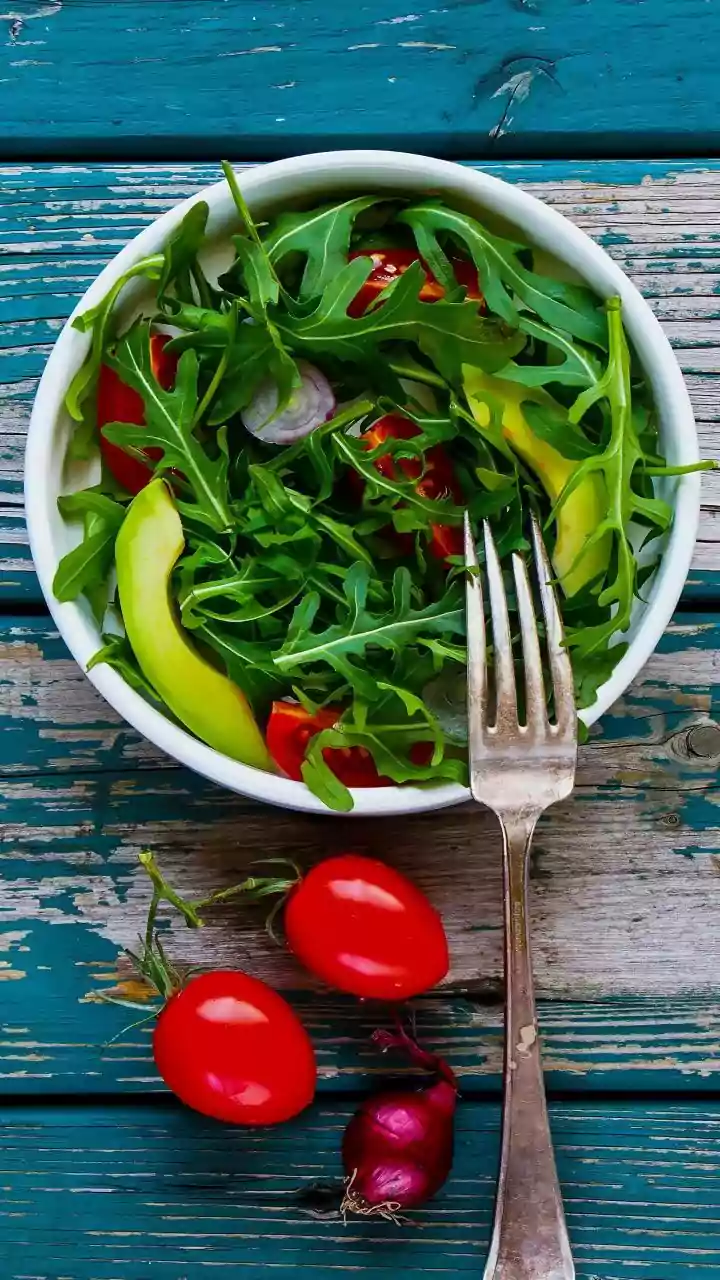
There’s a deeper, more physiological layer to this argument. True comfort shouldn’t come with a side of regret or a food-induced coma. Traditional comfort foods often deliver a short-term emotional high followed by a physical low—lethargy, bloating, and that sluggish feeling of having overdone it. But summer’s comfort foods do the opposite. They nourish, hydrate, and energize. Consider a classic Caprese salad: peak-season tomatoes, creamy mozzarella, fresh basil, and a drizzle of good olive oil. It’s satisfying and flavorful, yet it leaves you feeling light and capable. The same goes for grilled fish with a squeeze of lemon, a chilled cucumber-avocado soup, or a vibrant salad bursting with fresh greens, berries, and goat cheese. These meals align with the season's energy. They fuel afternoon swims and evening walks, rather than demanding a mandatory nap. This feeling of vitality—of being sustained rather than sedated—is arguably the most profound form of comfort a meal can provide.
The Champions of Summer Comfort
Let’s put the abstract aside and name names. The hall of fame for summer comfort food is bright, simple, and requires minimal time over a hot stove. Think of a perfectly grilled peach, its sweetness concentrated by the heat, served with a dollop of mascarpone. Or a generous bowl of gazpacho, the chilled Spanish soup that is basically a liquid salad and the most refreshing meal imaginable. Think of shrimp scampi tossed with zucchini noodles instead of heavy pasta, delivering all the garlic-and-butter satisfaction without the heft. Or even simpler: a bowl of fresh cherries, eaten one by one, their sweet-tart flavor a perfect punctuation to a warm day. These aren't just “light options”; they are deeply satisfying, complete culinary experiences that honor the season. They are dishes that understand the assignment.