

The Reign of the White Box
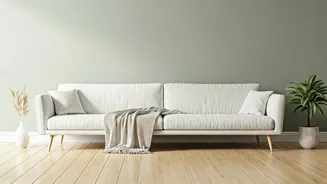
Let’s be honest: you know the look. It dominated Instagram feeds, Pinterest boards, and real estate listings for the better part of the 2010s. This was the peak of Scandinavian-inspired minimalism, filtered through a California lens until all the cozy,
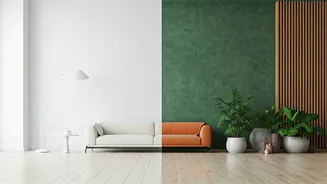
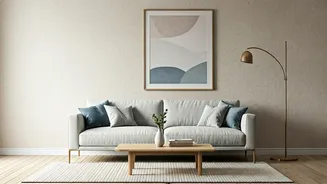
homespun charm was bleached out. What was left was a uniform of white walls, gray linen sofas, black metal accents, and maybe a single, abstract print to signal a personality. It was clean, sure. It was inoffensive. But it was also a style defined by absence—an absence of clutter, of color, of personal history, of life. This aesthetic was aspirational, suggesting a life so perfectly curated that mess simply didn't exist. It was the architectural equivalent of an empty inbox: satisfying in theory, but deeply unnatural in practice. It promised serenity but often delivered sterility, creating spaces that felt more like showrooms than actual homes.
The Pandemic and the Punctured Myth
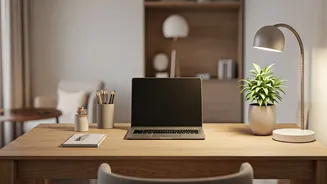
Then, we were all sent home. The pandemic was the critical event that exposed the deep flaws of the cold white aesthetic. When our homes suddenly had to function as our offices, schools, gyms, and sanctuaries, the pristine, untouchable white box began to feel less like a retreat and more like a beautifully designed prison cell. The lack of visual stimulation in a room you can’t leave is maddening. The hard surfaces and empty corners offer no comfort. We were staring at our own four walls for months on end, and many of us realized we didn’t like what we saw. We craved comfort, texture, and visual interest. We needed spaces that could embrace the beautiful mess of real life, not reject it. The sterile aesthetic, designed to be photographed, failed the ultimate test: it wasn't designed to be lived in, 24/7.
Enter Warmth, Color, and Clutter
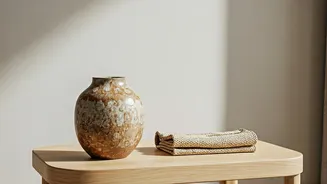
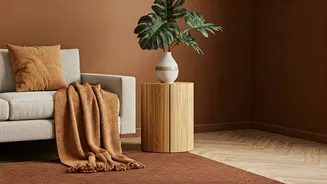
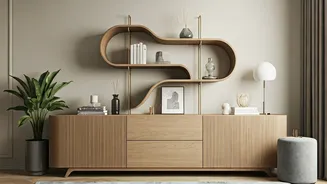
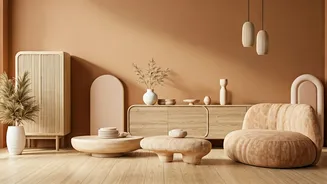
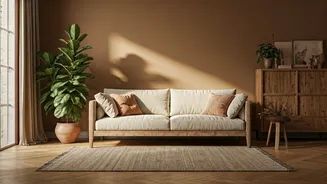
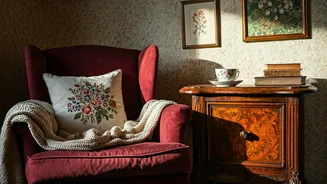
The pendulum is now swinging hard in the other direction. The new look isn't a single, prescriptive style but a collection of values: warmth, personality, and texture. Designers and homeowners are embracing what’s being called “warm minimalism,” which keeps the clean lines but swaps out cold whites for creamy beiges, earthy browns, and soft terracottas. Wood is back, not just on the floor but as paneled walls and chunky furniture. Fabrics are plush and inviting—think bouclé, velvet, and shearling. Color is no longer a dirty word. From moody, dark-painted rooms to vibrant pops of “dopamine decor,” people are using color to evoke joy, calm, and energy. We're seeing a return of personal collections, too. Books are overflowing from shelves, travel souvenirs are proudly displayed, and art is layered on the walls. It’s a joyful, curated clutter that tells a story.
A Rebellion Against the Algorithm
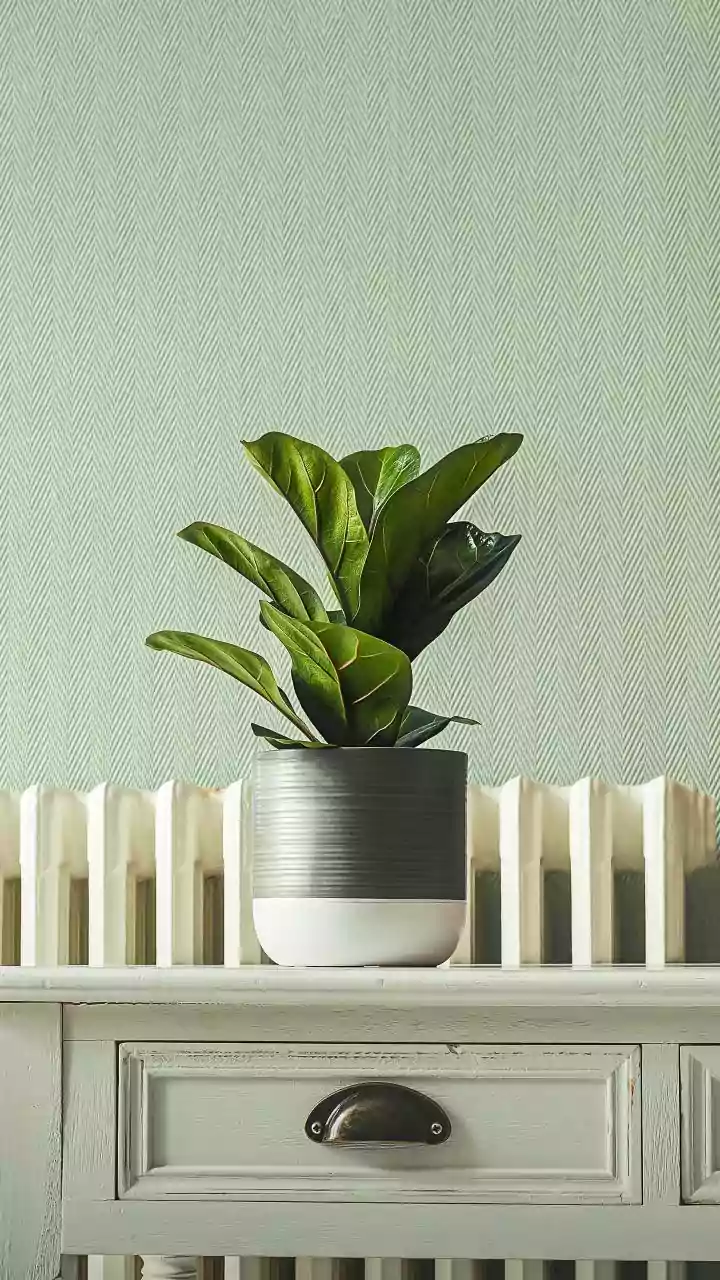
This shift is about more than just aesthetics; it's a quiet rebellion against the algorithmic sameness that defined the last decade. The all-white-everything look was, in many ways, the first globally viral interior design trend, optimized for social media. It was easy to replicate and looked great in a small square on your phone. But it also erased regional identity and personal taste. The new focus on unique, personal, and even slightly imperfect spaces is a rejection of that one-size-fits-all ideal. It’s a move toward authenticity. Trends like “grandmacore,” “biophilic design” (filling spaces with plants and natural light), and maximalism are all branches of the same tree. They prioritize creating a space that feels uniquely yours, one that nurtures and inspires you, rather than one designed to impress a faceless online audience.