








So, What Exactly Is Moringa?
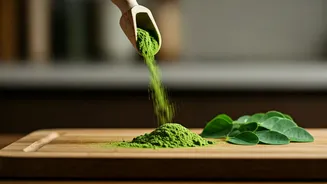
Moringa oleifera, often called the “drumstick tree” or “miracle tree,” is a plant native to parts of Asia and Africa. While various parts of the tree are edible, the form you’ll most likely encounter in the U.S. is a fine, vibrant green powder made from
its dried leaves. Think of it like matcha’s less-famous cousin. This powder concentrates the plant's nutritional value into a shelf-stable, incredibly convenient form. It’s not some synthetic lab creation; it’s simply a dried, ground plant that has been used in traditional wellness practices for centuries.
A Nutrient Powerhouse in a Pinch
The main reason moringa is gaining fans is its impressive nutritional profile. The powder is a rich source of vitamins and minerals, including vitamin A, vitamin C, calcium, potassium, and iron. It’s also a complete protein, containing all nine essential amino acids, which is rare for a plant. For a busy person who might not always have time to assemble a perfectly balanced plate of fresh produce, a spoonful of moringa powder provides a significant nutritional boost with almost zero effort. It’s an efficient way to fill some of the nutritional gaps in a hectic schedule.
No Chopping, No Prepping, No Mess
Here’s where moringa really shines for the time-crunched cook. Fresh greens are fantastic, but they require washing, chopping, and cooking. On a busy Tuesday night, that can feel like one step too many. Moringa powder eliminates all of that. There's no wilting spinach in the back of your fridge, no kale stems to deal with, and no extra cutting board to wash. You just open a jar, scoop, and stir. It’s the definition of a low-effort, high-reward kitchen staple.
The Five-Second Smoothie Upgrade
The easiest entry point for using moringa is in your morning smoothie. It blends in seamlessly, adding a dose of green goodness without the fibrous texture that a handful of raw kale or spinach can sometimes create. A single teaspoon or two is all you need to elevate a simple fruit and yogurt smoothie into something far more nourishing. It pairs particularly well with tropical flavors like pineapple, mango, and banana, which help balance its earthy notes. It’s the fastest way to make your quick breakfast work harder for you.
It Fortifies Soups, Sauces, and Stews
Moringa isn’t just for cold foods. Its powder form dissolves easily into warm liquids, making it a fantastic “secret ingredient” for savory dishes. Whisk a teaspoon into a pot of simmering tomato sauce, a brothy chicken noodle soup, or a hearty lentil stew in the last few minutes of cooking. It will deepen the color slightly and add a subtle layer of earthy flavor while infusing your meal with extra nutrients. Your family will never know you snuck in a serving of greens.
A Mild Flavor That Won't Hijack Your Dish
If you’re worried about a strong, grassy taste, you can relax. While moringa does have an earthy, slightly spinach-like flavor, it’s quite mild when used in small quantities. Unlike wheatgrass or spirulina, which can have very assertive tastes, moringa tends to blend into the background of a dish. It won’t overpower the other ingredients in your recipe, especially when mixed into flavorful foods like curries, pasta sauces, or even baked goods like savory muffins. Start with a small amount—about a teaspoon—and you’ll barely notice it’s there.
Where to Find It and How to Store It
Once a niche health-food item, moringa powder is now widely available. You can find it online and in the wellness or supplement aisle of most major supermarkets, including stores like Whole Foods, Sprouts, and even some bigger chains. It’s typically sold in resealable pouches or jars. Because it’s a dried product, it’s shelf-stable for a long time. Just store it in a cool, dark, and dry place—like your pantry—to protect its potency and prevent it from clumping. A single purchase can last you for months.