
The Scent of Summer in Delhi
To understand the mango party, you first have to understand a Delhi summer. It’s a season of oppressive heat, where the air shimmers above the asphalt and life slows to a crawl. But this challenging climate brings with it a singular, glorious reward:
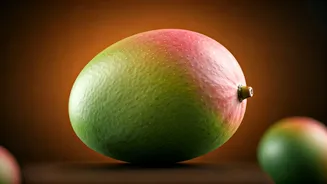
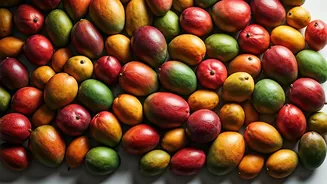
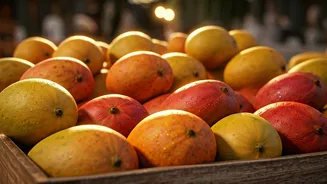
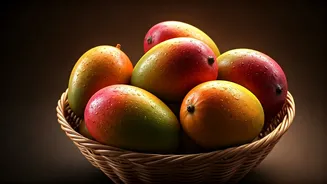
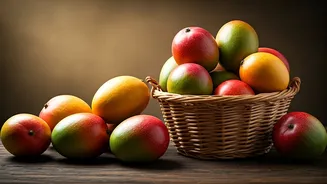
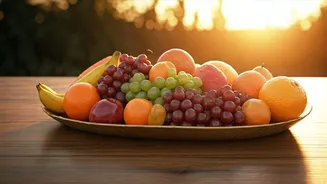
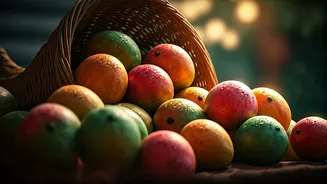
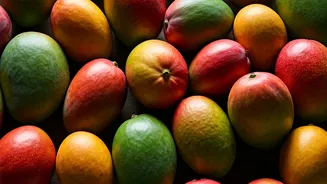
mango season. From May through July, the city is transformed. Street carts overflow with pyramids of green, yellow, and blush-red mangoes. The air in neighborhood markets is thick with a sweet, intoxicating perfume. For Delhiites, the mango is not just a fruit; it’s a cultural touchstone, a nostalgic link to childhood, and the very symbol of summer’s fleeting, golden peak. It’s the flavor of school holidays, of family gatherings, and of relief from the heat. This deep-seated cultural obsession is the fertile ground from which the modern “mango party” has sprung.
Welcome to the Mango Festival
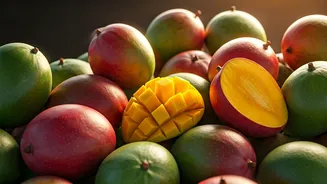
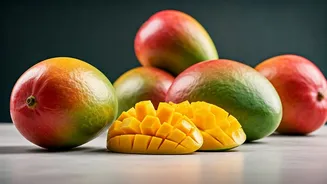
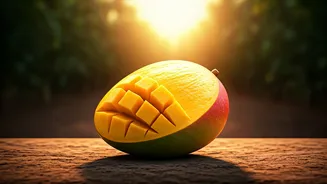
So, what exactly is an “insane mango party?” Picture a festival, a picnic, and a connoisseur's tasting event all rolled into one. These gatherings, ranging from organized public festivals like the famous International Mango Festival to more intimate, pop-up events hosted at farms on the city’s outskirts, are dedicated to the worship of the “King of Fruits.” The insanity isn't about chaos; it's about abundance. Attendees are greeted by tables groaning under the weight of dozens of different mango varieties, some of which are hyper-local and never make it to a supermarket shelf. For a flat fee, visitors get unlimited access. It’s a chance to sample, compare, and gorge on an endless supply of perfectly ripe mangoes, sliced on the spot. The atmosphere is less like a formal event and more like a massive, joyous community picnic, complete with live music, mango-eating competitions, and families lounging on blankets, juice dripping down their chins.
A Connoisseur's Paradise
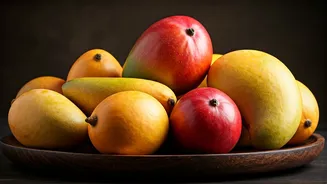
For Americans accustomed to one or two mango varieties in the grocery store—likely the sturdy, reddish Tommy Atkins—a Delhi mango party would be a revelation. This is where the true diversity of the fruit is on full display. You’ll find the legendary Dasheri, a sweet and fibrously smooth mango from Uttar Pradesh, prized for its golden pulp. Next to it might be the Langra, a greenish-skinned mango with a distinct, slightly tart flavor profile that is fiercely loved. Then there's the Chausa, a late-season marvel known for its incredible sweetness and almost candy-like aroma. And of course, the Alphonso, often called the “King of Mangoes,” with its saffron-hued flesh and rich, complex flavor. These parties are an education. People debate the merits of each variety with the same passion and vocabulary that American foodies might reserve for craft beer or single-origin coffee. It’s a celebration of terroir, tradition, and taste.
A Tradition Remixed for the Instagram Age
While the love for mangoes is timeless, the concept of the “mango party” as a destination event is a distinctly modern phenomenon, driven largely by the city’s youth. For a generation fluent in the language of the “experience economy,” these festivals are perfectly packaged for social media. The vibrant colors of the fruit, the rustic farm settings, and the sheer spectacle of the events are incredibly photogenic. An afternoon at a mango farm becomes a status update, a story, a vibrant photo dump that showcases a life rich with authentic cultural experiences. But it’s more than just aesthetics. For young urbanites in Delhi, it’s also a way to reconnect with nature and food traditions in a tangible way. It’s a wholesome, sun-drenched escape from the city grind, blending nostalgia for a simpler time with the very modern desire to document and share every joyful moment.