


The Problem with Plastic Laminates
For decades, plastic laminate countertops and cabinets—think brands like Formica—have been the undisputed champions of the budget-friendly renovation. They are affordable, incredibly durable, and come in a limitless array of colors and patterns. They’re
workhorses, capable of withstanding spills, scratches, and the general chaos of family life. But their low cost can come with a hidden price. Many traditional laminates are made by bonding layers of plastic and paper to a particleboard or MDF (medium-density fiberboard) substrate. The issue often lies in the adhesives and resins used in that substrate. These binders can contain urea-formaldehyde, a chemical that “off-gasses” over time, releasing volatile organic compounds (VOCs) into your home. That “new cabinet smell” isn’t always a good thing; it can be a sign of these chemicals polluting your indoor air. While regulations have tightened and low-VOC options are now available, the legacy of these materials has led many to seek out healthier alternatives from the start.
The Natural Contender: Bamboo Plywood
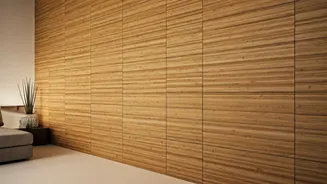
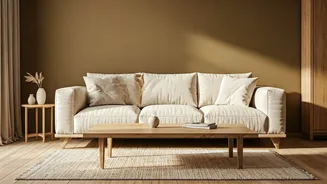
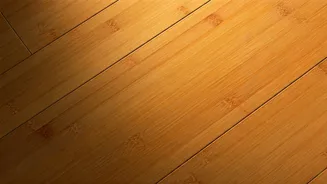
Enter bamboo plywood, a material that brings a warm, modern aesthetic and a compelling sustainability story. First, a quick correction: bamboo isn’t wood at all; it’s a type of grass. This is its superpower. Certain species of bamboo can grow several feet in a single day and reach maturity in just three to five years, compared to the decades or centuries required for traditional hardwoods. This makes it a highly renewable resource. To create plywood, strips of bamboo are laminated together to form strong, stable sheets perfect for cabinetry, countertops, and furniture. Aesthetically, it offers a clean, contemporary look with a distinctive grain pattern that can be oriented either vertically or horizontally. But not all bamboo ply is created equal. The key is to look for products made with low-VOC or formaldehyde-free adhesives. When sourced responsibly and manufactured with safe binders, bamboo plywood is a fantastic alternative that combines eco-consciousness with high-end design, offering a durable surface that’s both beautiful and better for your indoor environment.
The Recycled Revolutionary: Terrazzo
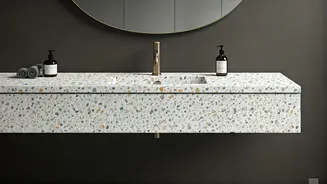
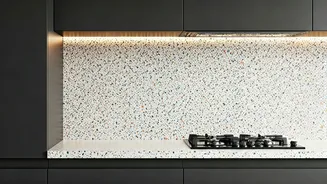
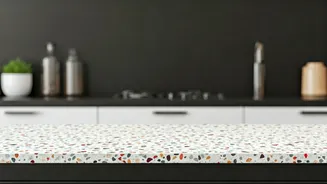
If you associate terrazzo with old-school municipal buildings or airport floors, it’s time to look again. This classic composite material is having a major design renaissance, driven by its endless customization and, most importantly, its use of recycled content. Traditional terrazzo consists of chips of marble, quartz, or granite set in a cement or resin binder. Today’s recycled terrazzo takes that concept and runs with it, incorporating post-consumer glass, porcelain, and even bits of salvaged marble from demolished buildings. The result is a stunningly unique surface where yesterday’s waste becomes today’s focal point. Each slab tells a story, with colorful flecks of beer bottles or shattered ceramic creating a vibrant, one-of-a-kind pattern. Beyond its artistic appeal, terrazzo is practically indestructible. It's non-porous (when sealed), stain-resistant, and can outlast the house it’s built in. While it represents a higher upfront investment and requires professional installation due to its weight, its longevity and sustainable pedigree make it a powerful statement piece for countertops, flooring, and backsplashes.
Making the Choice for Your Home
So, how do you choose? It comes down to a balance of budget, style, and personal values. Plastic laminate remains the most affordable option, and conscientious consumers can seek out modern versions certified for low VOC emissions. It’s a pragmatic choice when cost is the primary driver. Bamboo plywood sits in the middle, offering a significant upgrade in both sustainability and natural beauty for a moderate price increase. It’s ideal for those wanting a warm, organic, and eco-friendly aesthetic without breaking the bank. Recycled terrazzo is the premium choice. It's for the homeowner who wants to make a bold design statement, values ultimate durability, and is willing to invest in a material that is both a piece of art and a testament to recycling. Each material has its place, but the growing popularity of bamboo and terrazzo signals a clear shift: homeowners are no longer just asking “how does it look?” but also “what is it made of?”