



More Than a Trend, a Tradition
What the wellness world now calls “root-to-stem” or “zero-waste” cooking has been a quiet, practical reality in Indian households for generations. Long before sustainability became a buzzword, this approach was born from a blend of economic necessity
and a cultural reverence for food. In a country where resources could be scarce, wasting any part of a vegetable was simply not an option. This philosophy of thrift and ingenuity, often referred to by the Hindi word ‘jugaad,’ is about making the most of what you have. It’s an inherited wisdom passed down from grandmothers who knew how to stretch a budget and a harvest, ensuring that every bit of produce was honored, from the tender leaves to the tough stalk.
From Peel to Plate
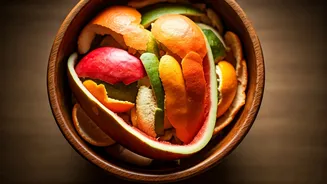
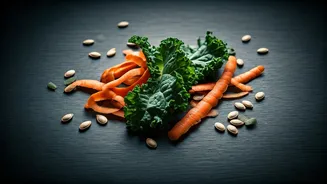
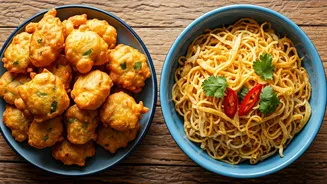
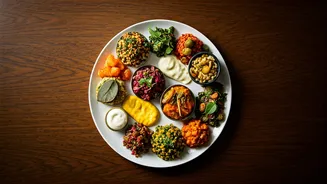
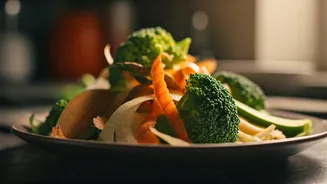
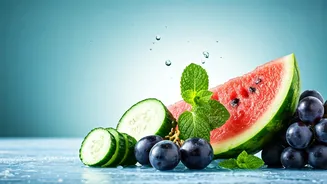
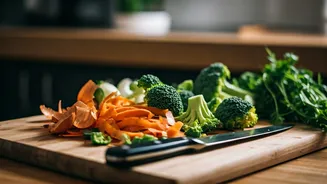
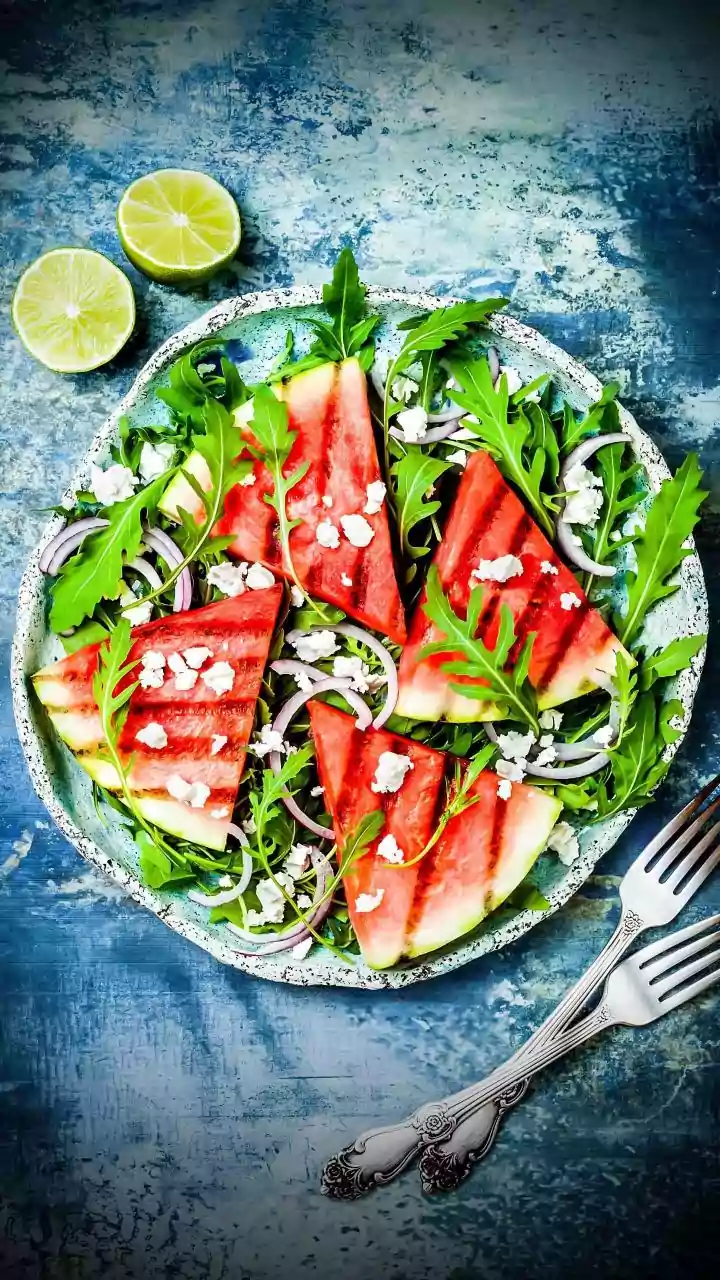
So what does this look like in practice? It’s far more delicious than you might imagine. Those potato peels you’re about to compost can be crisped up with spices to make a crunchy, savory snack or side dish. The fibrous, often-discarded stems of cauliflower or broccoli are transformed into flavorful curries (known as ‘sabzi’) or added to lentil stews (‘dal’) for texture and bulk. Tough outer leaves of cabbage, which usually get binned, are used as wraps or finely shredded for stir-fries. Even watermelon rinds aren't safe from this creative reuse; they are often pickled into a tangy condiment or candied into a sweet treat called ‘petha’. It’s a culinary mindset that sees potential in every part of the plant, challenging the very definition of a kitchen scrap.
The Flavor of Frugality
This practice isn’t just about avoiding waste; it’s about unlocking a whole new world of flavors and textures. The stem of a cauliflower has a sweetness and bite that’s entirely different from its florets. Radish leaves, often trimmed and tossed, have a peppery kick perfect for a quick sauté with garlic. In the southern Indian state of Kerala, a dish called ‘thoran’ can be made with almost any vegetable scrap, from banana peels to jackfruit seeds, all finely chopped and stir-fried with coconut and spices. This approach encourages a more creative and intuitive style of cooking, where the cook is constantly looking for ways to build flavor from humble ingredients. It proves that frugality doesn’t have to mean sacrificing taste—in fact, it can enhance it.
A Modern Resurgence
While this wisdom is ancient, it’s currently experiencing a powerful resurgence. A new generation of Indian food bloggers, chefs, and home cooks are proudly documenting and sharing these low-waste family recipes online. They are reframing this traditional knowledge for a modern, global audience concerned with climate change and sustainable living. Instagram feeds are filling up with beautiful photos of dishes made from vegetable peels and social media groups are dedicated to sharing “trash cooking” ideas. By giving these old-school recipes a contemporary platform, they are ensuring this culinary heritage isn't lost. They are showing that the principles of the Indian home kitchen offer a practical, delicious, and time-tested solution to a very modern problem.