


Meet Makhana, Your New Favorite Snack
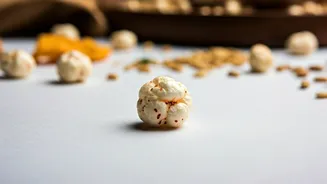
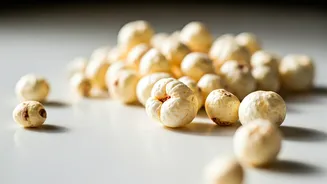
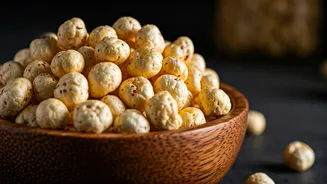
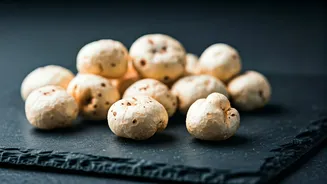
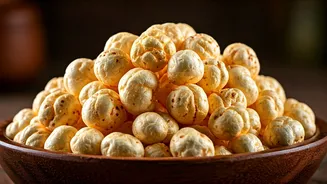
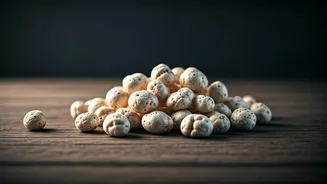
First, let's clear up what it isn't. Despite being called 'fox nuts,' makhana isn't a nut at all. These light, airy, and puffy white balls are the popped seeds of the Euryale ferox, a species of water lily. Harvested from the bottom of ponds and lakes
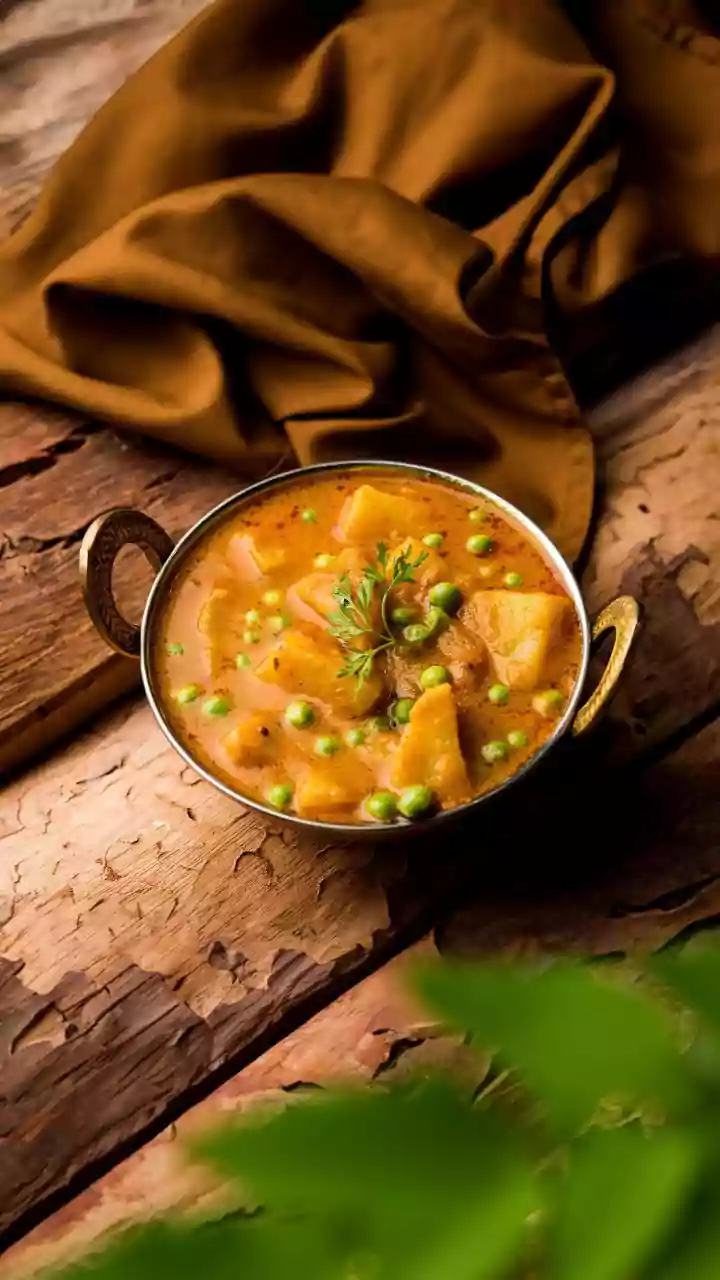
primarily in India, the process is labor-intensive, involving collecting, cleaning, sun-drying, and roasting the small black seeds until they burst open, much like popcorn. The result is a neutral-tasting, Styrofoam-like puff that transforms into a wonderfully crisp and crunchy snack once toasted. For centuries, makhana has been a staple in Ayurvedic traditions and Indian cuisine, used in everything from savory curries to sweet puddings (kheer). But for the American snacker, its true potential is unlocked when it’s treated as a superior alternative to popcorn or potato chips.
The Nutritional Powerhouse
Here's where makhana truly shines and sets itself apart in the crowded snack aisle. While popcorn is a decent whole-grain snack, makhana offers a distinct nutritional edge. It’s naturally low in calories, fat, and sodium. A generous cup of plain, roasted makhana typically contains around 100 calories, making it a satisfyingly high-volume, low-impact choice for mindful munching. Furthermore, it's gluten-free and a good source of plant-based protein and fiber, which helps you feel fuller for longer. Makhana is also rich in essential minerals, boasting high levels of magnesium—a mineral crucial for muscle function, nerve health, and blood sugar control—as well as potassium and calcium. Ayurvedic practitioners have long valued it for its purported anti-aging and anti-inflammatory properties. For the modern consumer, it’s simply a cleaner, more nutrient-dense vehicle for that satisfying crunch we all crave.
A Blank Canvas for Flavor
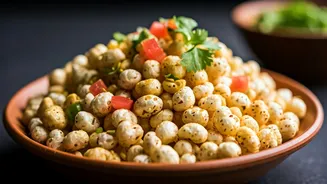
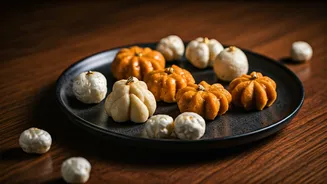
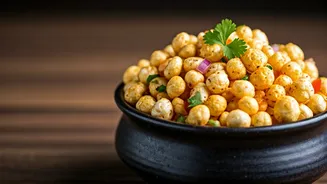
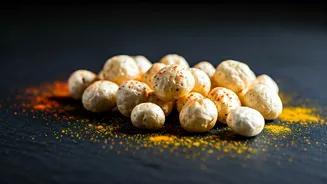
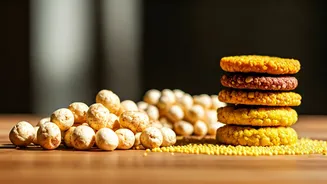
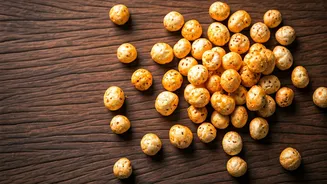
Plain, untoasted makhana has a mild, almost nonexistent flavor and a slightly chewy texture. The magic happens with a little heat. When pan-roasted or air-fried, they become incredibly crispy and develop a subtle, nutty taste. This transforms them into a perfect blank canvas for any flavor profile you can imagine. Unlike popcorn, which has a distinct corn flavor, makhana’s neutrality allows it to absorb seasonings beautifully. For a savory snack, toss the warm, toasted puffs with a bit of ghee or olive oil and then sprinkle with anything from simple sea salt and black pepper to more adventurous blends like chili-lime, smoked paprika, or a tangy Indian chaat masala. On the sweet side, makhana can be coated in caramel, drizzled with dark chocolate and sea salt, or dusted with cinnamon and a touch of maple syrup. This versatility is driving its popularity, with pre-packaged versions appearing in U.S. stores in a wide array of enticing flavors.
Your DIY Makhana Makeover
While you can find bags of pre-seasoned makhana at specialty grocery stores and online, making them at home is incredibly simple, cheaper, and allows for complete control over ingredients. All you need is a bag of plain, raw makhana, a large pan or skillet, and your choice of fat and seasonings. Start by heating a teaspoon of ghee, coconut oil, or olive oil in the pan over medium-low heat. Add a cup or two of makhana and stir continuously for about 5-8 minutes. You're looking for them to become fragrant and crispy. A good test is to take one out, let it cool for a second, and bite into it. If it’s perfectly crunchy, they’re done. If it’s still a bit chewy, give them another minute. Once toasted, immediately transfer them to a large bowl, drizzle with a tiny bit more oil (this helps the seasoning stick), and toss with your chosen spices while they are still warm. They are best enjoyed right away but can be stored in an airtight container for a few days.