



From Produce to Perfume
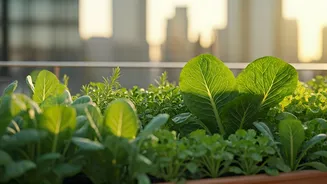
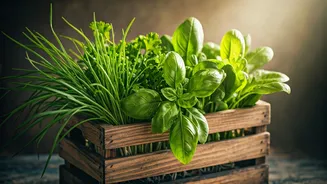
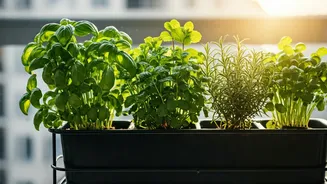
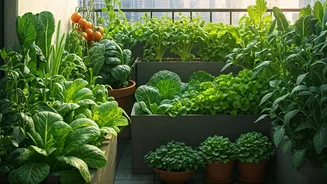
For years, the urban gardening movement in India was driven by a practical, farm-to-table ethos. City dwellers with a patch of sun on their terrace or balcony focused on growing their own tomatoes, chilies, and herbs. It was about sustainability, food
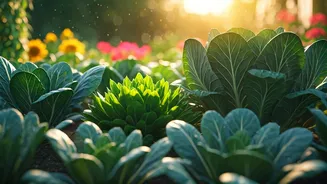
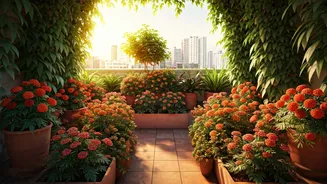
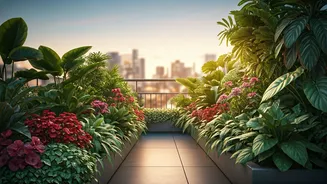
security, and a connection to what’s on your plate. But a fragrant new chapter is unfolding. The latest trend isn't just about what you can eat; it's about what you can feel and smell. Home gardeners are increasingly dedicating prime real estate to traditional, aromatic flowering plants. The “upgrade” is a sensory one, shifting the purpose of these small green spaces from mini-farms to personal wellness retreats. It’s a move away from pure utility and toward creating an atmosphere—an escape from the noise and stress of the city below.
The Stars of the Show
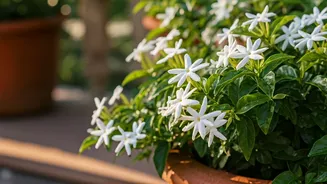
This fragrant renaissance is built on a cast of deeply symbolic and powerfully scented flowers. At the forefront is jasmine, particularly the variety known as *mogra* (Jasminum sambac). Its intoxicating evening scent is woven into the fabric of Indian culture, used in everything from temple offerings to bridal hair adornments. Joining it is *rajanigandha*, or tuberose, another night-bloomer whose heady perfume is legendary. Gardeners are also planting *parijat* (night-flowering jasmine), a flower said to be a favorite of the gods, which drops its delicate white and orange blossoms at dawn. Other popular choices include fragrant champaca trees, gardenias (*gandharaj*, or “king of fragrance”), and various types of roses. These aren’t just pretty plants; they are living heirlooms, each carrying stories and cultural weight that resonate far beyond their botanical names.
A Modern Twist on Ancient Wellness
So, why this shift now? The trend is a confluence of several modern pressures and desires. The global pandemic accelerated the focus on home and personal well-being, pushing people to create sanctuaries within their own four walls. For many in India’s dense urban cores, the terrace became the only accessible private outdoor space. Filling it with the soothing scents of their childhood or cultural heritage became a form of aromatherapy and a powerful tool for mental health. This movement is also a quiet rebellion against the relentless pace of modern life. It represents a desire to reconnect with nature, even in a concrete pot, and to revive traditions that foster a slower, more intentional existence. Tending to a *mogra* vine is not just horticulture; it's a daily ritual that connects the gardener to centuries of cultural practice.
Bringing the Scent Home
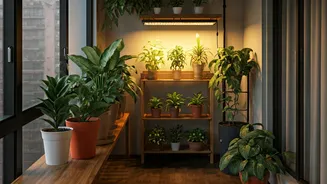
While this trend is rooted in Indian culture, its appeal is universal. The idea of transforming a small outdoor space into a sensory oasis is something any gardener can appreciate. For Americans looking to get in on the trend, many of these fragrant stars are surprisingly accessible. Jasmine varieties like Arabian jasmine (*mogra*) thrive in containers and can be grown in most parts of the U.S., either outdoors in warmer climates (USDA zones 9-11) or brought inside during winter in cooler regions. Tuberose bulbs can be planted in pots in spring for stunningly fragrant summer blooms. Gardenias, a familiar favorite in the American South, offer a similar experience. The lesson from India’s terrace gardens isn't about replicating them exactly, but about embracing the principle: your garden, no matter its size, can be a source of not just visual beauty, but profound sensory comfort.