


The Valley of Flowers Awakens
Deep in the Garhwal region of Uttarakhand, India, lies a place so vibrant it’s been woven into Hindu mythology and designated a UNESCO World Heritage Site. The Valley of Flowers National Park isn't just a trek; it's a pilgrimage into an alpine meadow
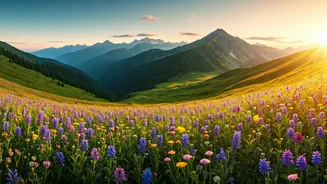
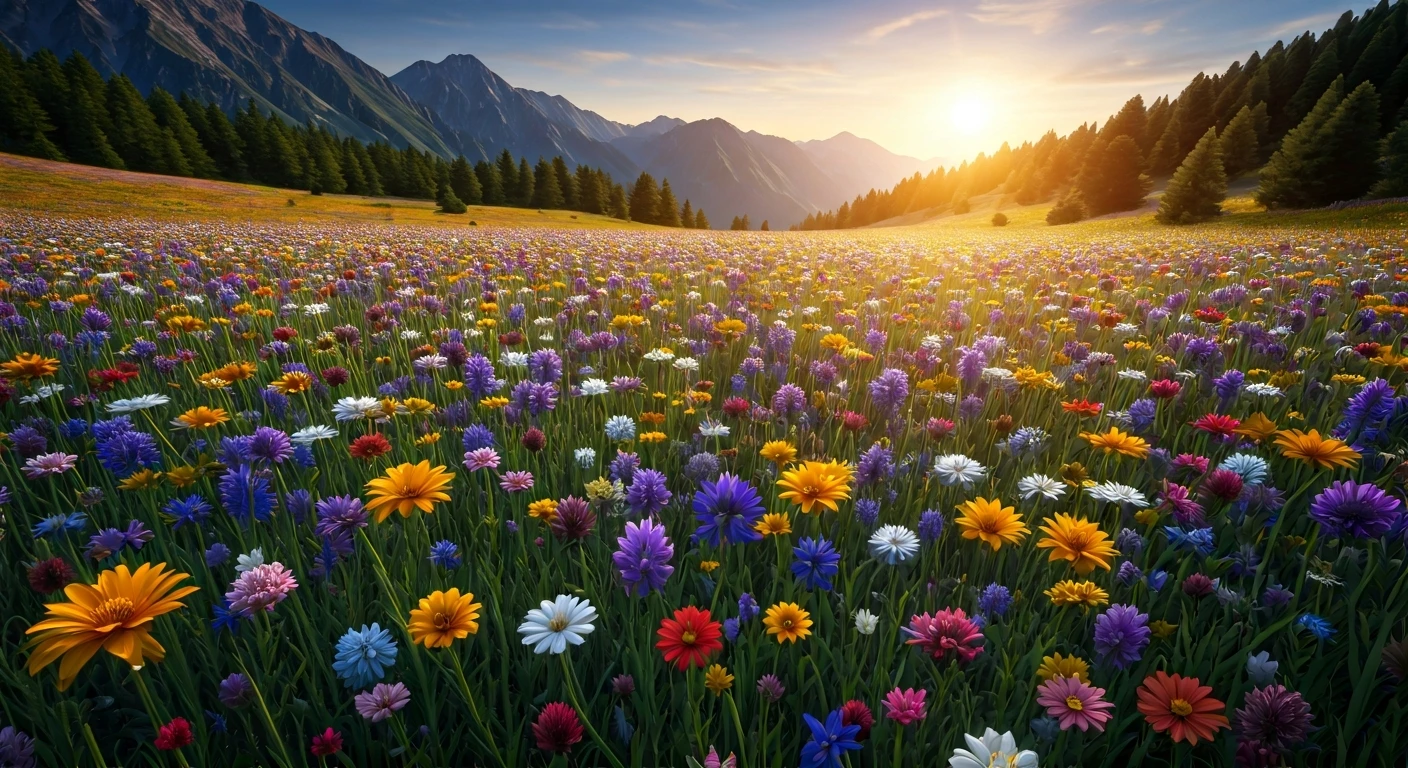
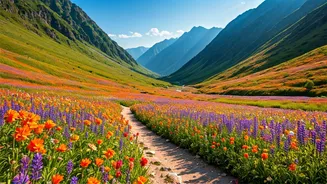
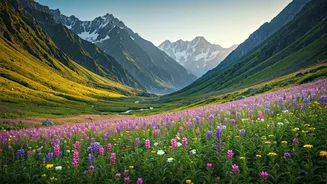
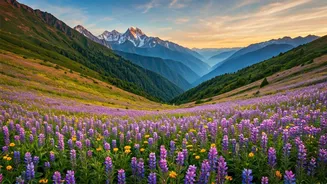
that explodes with color. For most of the year, it's buried under a thick blanket of snow, inaccessible and dormant. But on June 1st, the park gates officially open, revealing a landscape in the midst of a spectacular transformation. This isn’t a trek about conquering a peak, but about immersing yourself in a masterpiece painted by nature, framed by the jagged, snow-dusted peaks of the high Himalayas.
Why June Is the Perfect Window
Timing is everything here. While the valley is open until October, June offers a unique advantage. It's the pre-monsoon sweet spot. The heavy winter snows have receded, but the torrential daily downpours of July and August have yet to arrive. This means clearer skies, crisper mountain views, and safer trail conditions. More importantly, June is when the first wave of flowers begins to carpet the valley floor. You'll witness the initial, vibrant burst of life as the ecosystem springs into action. The air is fresh, the streams are gushing with glacial meltwater, and you get to experience the valley’s grand reawakening before the peak tourist and monsoon season sets in.
A Carpet of Wild Blooms
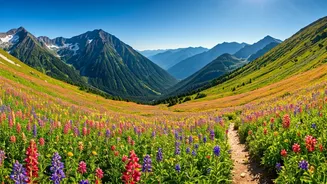
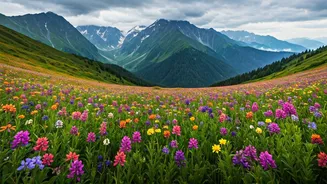
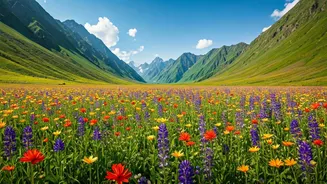
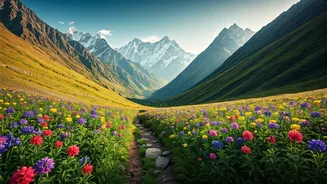
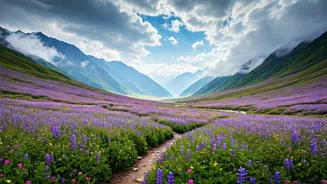
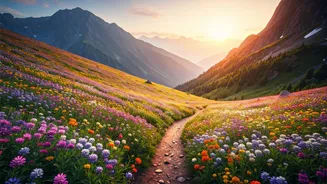
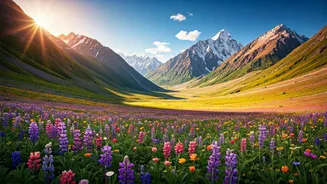
While the full, riotous bloom of over 500 species peaks later in the season, June’s floral display is delicate, diverse, and breathtaking in its own right. The ground, still moist from melting snow, becomes a canvas for early bloomers. Look for patches of brilliant yellow Potentilla, elegant pink Geraniums, and the deep purple of Primulas. You might also spot graceful wild roses and the distinct, cobra-hood-shaped Arisaema, also known as Cobra Lily. The colors are set against a backdrop of impossibly green grasses and the dramatic, dark rock of the surrounding cliffs. It’s a photographer’s dream and a botanist’s paradise, offering a more subtle and arguably more pristine experience than the denser floral carpets of mid-summer.
The Journey into the Valley
Reaching this paradise is an adventure in itself. The journey for most travelers begins in the bustling spiritual hub of Rishikesh. From there, it’s a long, scenic drive into the mountains to the village of Govindghat. This is where the trek truly starts. The first leg is a well-paved but steady climb of about 8 miles to the base camp village of Ghangaria. After acclimatizing overnight, you'll make the final push into the valley itself. The trek is considered moderate in difficulty—it doesn’t require technical climbing skills, but a good level of fitness is essential to handle the altitude and daily mileage. The path winds along the roaring Pushpawati River, through forests of pine and rhododendron, building anticipation for the moment the narrow gorge opens up into the expansive, flower-filled meadow.
Know Before You Go
Planning a trip from the U.S. requires some logistics. You’ll likely fly into Delhi (DEL) and then take a domestic flight to Dehradun (DED), the closest airport to Rishikesh. From there, hiring a car or taking a bus is the best option. You will need a permit to enter the Valley of Flowers, which can be obtained in Ghangaria. Pack for all weather: even in June, you'll need warm layers, a waterproof jacket for surprise showers, and sturdy, broken-in hiking boots. Sunscreen and sunglasses are non-negotiable due to the high altitude. Most importantly, respect the altitude. Spend a day acclimatizing before starting your trek from Govindghat to prevent altitude sickness and fully enjoy the journey.