



The Pantry's Unsung Heroes
For generations, the international aisle of the American supermarket was a place for culinary adventurers. But today, it’s becoming a source of everyday essentials. Ingredients once considered “ethnic” are now being recognized for what they’ve always
been: nutritional powerhouses that are incredibly budget-friendly. We’re talking about lentils (dal), chickpeas (chana), and a treasure trove of spices like turmeric and cumin. Fueled by a convergence of economic pressures, wellness trends, and social media savvy, these Desi staples are stepping out of the shadows and into the mainstream American kitchen. This isn't just about a new recipe trend; it’s a fundamental shift in how we think about feeding ourselves well on a budget.
The Mighty Lentil (Dal)
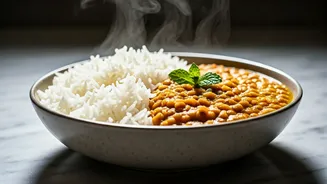
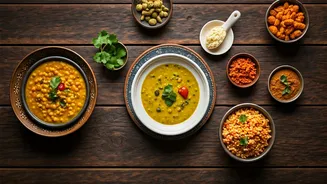
If this movement has a protagonist, it’s the humble lentil. In South Asian cuisine, dal is both an ingredient (lentils, peas, or beans) and the name of the deeply comforting, stew-like dish made from them. For pennies on the dollar, a bag of red, yellow, or brown lentils provides a foundation for dozens of meals. Packed with plant-based protein, fiber, and essential nutrients like iron and folate, dal is the ultimate healthy comfort food. It’s a simple simmer away from being a hearty soup, a side dish, or a complete meal when served with rice or bread. Its versatility is its superpower; it can be flavored with a simple tadka (spices bloomed in hot oil) or built into a complex, multi-layered curry. It represents the core of this trend: maximum nutrition and flavor for minimal cost.
The Chickpea's Versatile Glow-Up
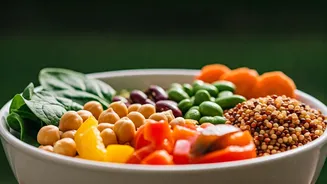
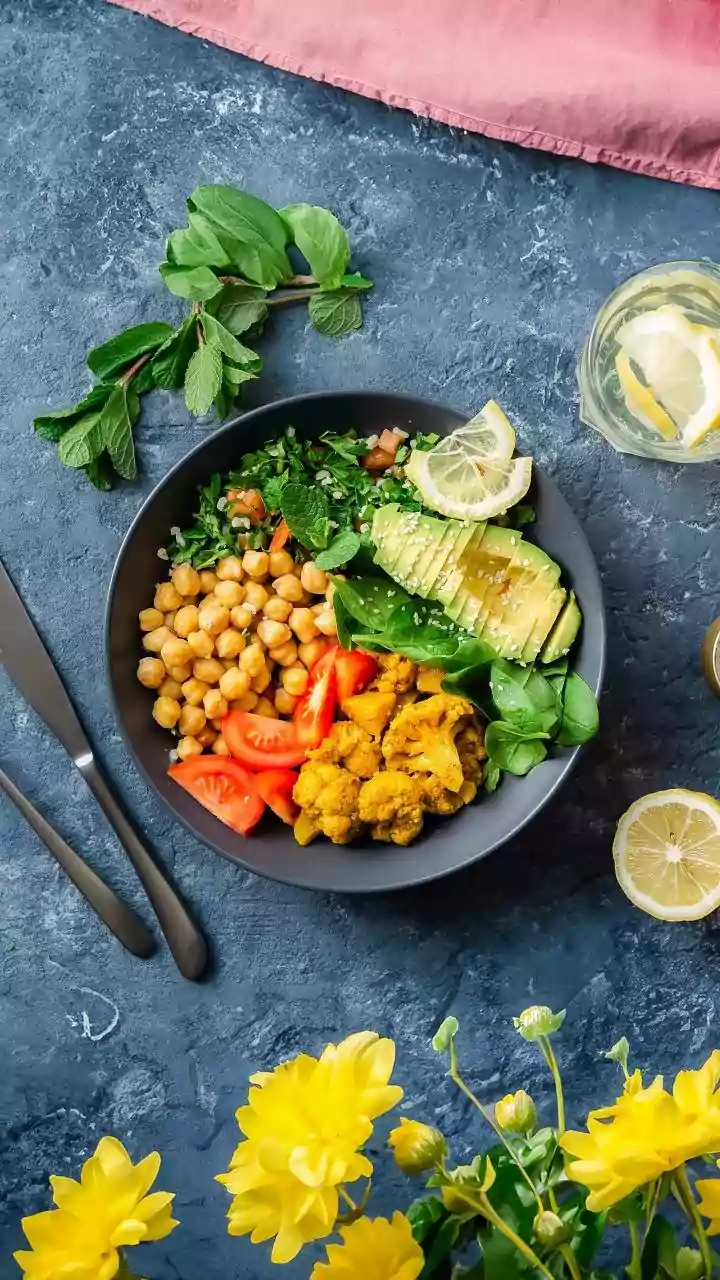
Americans are no strangers to chickpeas, thanks to the near-universal love for hummus and salad bar toppings. But the Desi kitchen showcases the chickpea in its most robust and flavorful forms. Known as chana, chickpeas are the star of chana masala, a savory, tomato-based stew that has become a global Indian restaurant staple. Beyond this iconic dish, they’re ground into gram flour (besan) for savory pancakes and crispy pakoras, or roasted with spices for a crunchy, addictive snack. Like lentils, they are an inexpensive source of protein and fiber, helping to keep you full and supporting digestive health. Buying them dried is ridiculously cheap, and even canned versions offer incredible value, making it easy to whip up a satisfying, plant-forward meal any night of the week.
Spices: Flavor and Function
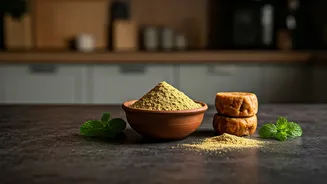
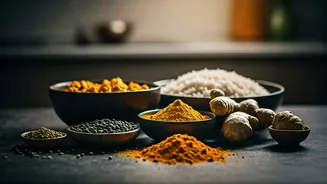
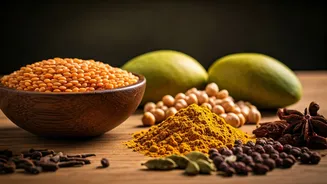
What truly elevates these simple ingredients is the strategic use of spices, which offer a universe of flavor for just a few dollars. Turmeric, the golden child of the modern wellness movement, has been a cornerstone of Desi cooking for centuries, prized for its earthy flavor and anti-inflammatory properties. Cumin adds a smoky depth, coriander brings a citrusy brightness, and mustard seeds provide a pungent pop. A small investment in a few key spices unlocks the ability to transform lentils, chickpeas, and simple vegetables into something extraordinary. This approach to flavor-building demonstrates that you don’t need expensive sauces or processed seasonings to create a dynamic and delicious meal. It’s about leveraging the power of whole spices to do the heavy lifting, a technique that’s both economical and inherently healthy.
Why Now? The Perfect Cultural Storm
This Desi main character moment isn't happening in a vacuum. Several cultural currents have converged to push these ingredients to the forefront. Firstly, persistent food inflation has families actively seeking budget-stretching strategies, and a pound of lentils will always be cheaper than a pound of meat. Secondly, the rise of plant-based and flexitarian diets has Americans looking for satisfying, protein-rich alternatives to animal products. Finally, second- and third-generation Desi-Americans on platforms like TikTok and Instagram are proudly sharing their family recipes, demystifying the cuisine for a new audience. They present these dishes not as complicated, aspirational projects but as practical, delicious, weeknight solutions—exactly what the modern American home cook is looking for.