





Not Your Grandfather’s Space Race
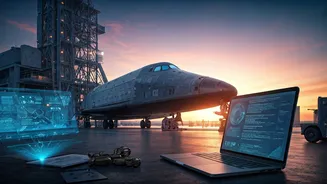
The generation that grew up after the Space Shuttle program ended experienced a different kind of space age—one that felt more like history than a living endeavor. For years, America’s ambitions in orbit seemed quiet, almost nostalgic. But that has changed,
and dramatically so. The current surge in youth enthusiasm for space is not a simple echo of the Apollo-era race against the Soviets. Instead, it’s a multifaceted phenomenon fueled by a potent combination of commercial dynamism, digital culture, and a tangible sense of possibility that hasn't existed for half a century. Today’s young space enthusiasts, often called the “Artemis Generation” by NASA, see a universe of opportunities that extend far beyond becoming a government astronaut. They see paths to becoming rocket engineers for private companies, software developers for satellite networks, astrobiologists searching for extraterrestrial life, and even content creators broadcasting the next giant leap on TikTok and YouTube. Space is no longer just a federal project; it’s an industry, a frontier for innovation, and a cultural touchstone all at once.
The Commercial Rocket Boost
A huge part of this renewed excitement can be credited to the private sector. Companies like SpaceX, Blue Origin, and Rocket Lab have transformed space exploration from a slow-moving government enterprise into a fast-paced, high-stakes spectacle. The sight of a Falcon 9 booster landing perfectly on a drone ship is a powerful visual, shared millions of time online. It’s an engineering feat that feels more like science fiction made real than a historical achievement. This “SpaceX effect” has had a measurable impact. Universities are reporting significant increases in applications for aerospace engineering and related STEM fields. The appeal is obvious: these private companies are not just launching satellites; they are publicly working on audacious goals like colonizing Mars and building space stations. For a generation raised on immersive video games and blockbuster sci-fi, the promise of actually contributing to such a future is an incredibly powerful motivator. It has made a career in space feel both exciting and attainable, shifting the goal from 'maybe one day' to 'how can I get involved right now?'
From Screen Time to Star Time
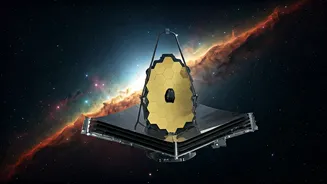
Modern pop culture has also primed young minds to look upward. Films like *The Martian* and *Interstellar* present detailed, scientifically grounded visions of space travel that are both awe-inspiring and problem-solving oriented. They portray scientists and engineers as heroes, making their work seem vital and compelling. Video games like *Starfield* and *Kerbal Space Program* allow players to directly engage with the mechanics of rocketry and exploration, turning complex physics into an addictive challenge. This cultural immersion is amplified by the constant stream of content available online. Anyone with a smartphone can watch a live rocket launch, see breathtaking new images from the James Webb Space Telescope within minutes of their release, or follow astronauts on the International Space Station as they share their daily lives. This direct, unfiltered access demystifies space while simultaneously enhancing its wonder. It’s no longer a distant, abstract concept but a real place where real people are working and exploring, right now.
A New National Ambition
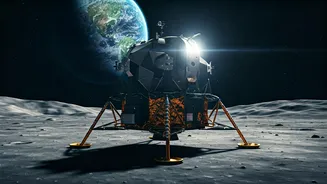
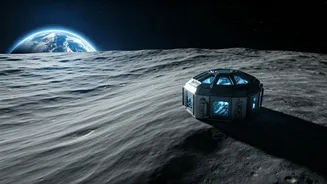
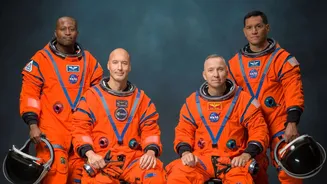
While the private sector provides the flash, government initiatives provide the foundation. NASA’s Artemis program, which aims to return humans to the Moon and eventually send them to Mars, gives this new wave of interest a clear, national mission to rally around. The program is explicitly designed to inspire the next generation, with educational outreach and public engagement woven into its fabric. By naming them the Artemis Generation, NASA is making a direct appeal, telling young people that the future of American leadership in space depends on them. This confluence of factors—a vibrant commercial industry, an inspiring cultural landscape, and a renewed federal mission—has created a perfect storm of cosmic curiosity. It’s fostering a generation that is not only dreaming about space but is actively acquiring the skills to shape its future. They are the ones who will design the habitats, write the code, and pilot the ships that take humanity farther than ever before.