



Eat Your Water
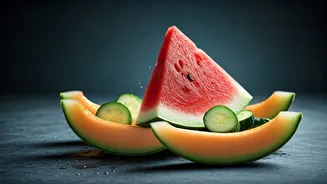
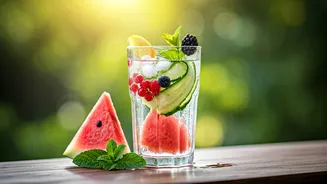
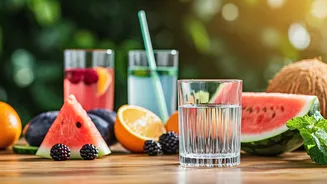
One of the most effective and enjoyable ways to boost your hydration is through your diet. Many fruits and vegetables are packed with water, making them a dual-purpose snack that provides both nutrients and fluids. Watermelon and strawberries, for example,
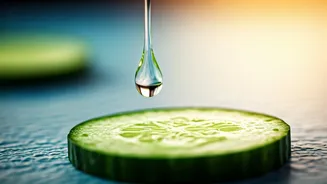
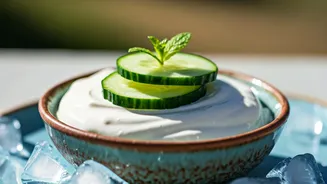
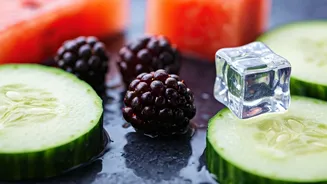
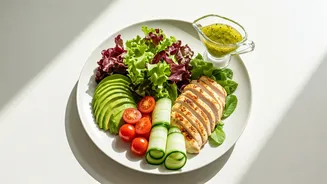
are over 90% water. Cucumbers, celery, and iceberg lettuce are also excellent choices, containing around 95% water. Eating these foods does more than just add fluid; the fiber and structure of the food slow down the absorption of water, allowing your body to utilize it more effectively than if you simply chugged a glass of water. Think of it as a time-release hydration system, perfect for keeping you going on a long, hot afternoon.
Embrace Electrolytes
Ever wonder why sports drinks are so popular? The secret isn't just the water; it's the electrolytes, particularly sodium and potassium. When you sweat, you lose these vital minerals along with fluid. Drinking plain water alone can sometimes dilute the electrolytes remaining in your body, in extreme cases leading to a dangerous condition called hyponatremia. To stay properly balanced, you need to replenish both. You don't need a sugary sports drink to do it, either. A pinch of sea salt in your water, a banana (rich in potassium), or a handful of salted pretzels can do the trick. Coconut water is another fantastic natural option, offering a healthy dose of potassium.
Rethink Your Drink Menu
While water is king, other beverages can be surprisingly effective for hydration. A 2015 study from Scotland's St. Andrews University found that milk—both dairy and some plant-based alternatives—is even more hydrating than water over the long term. Why? The combination of natural sugars (lactose), protein, and a little fat helps slow the emptying of fluid from the stomach, keeping you hydrated for longer. Similarly, oral rehydration solutions (like Pedialyte) or even a DIY version with water, a little salt, and a touch of sugar can be incredibly effective after intense sweating, as the small amount of sugar helps your body absorb the water and electrolytes more quickly.
Make Soups a Summer Staple
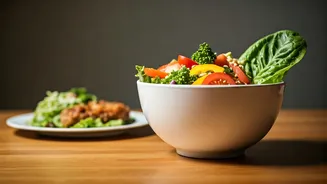
Soup might sound like a cold-weather meal, but chilled soups are a game-changer for summer hydration. A cool bowl of gazpacho, made from tomatoes, cucumbers, and peppers, is essentially a hydrating salad in a bowl. It’s savory, refreshing, and delivers a powerful combination of fluids, vitamins, and electrolytes from the vegetables and salt. Similarly, a simple broth-based soup, served warm or at room temperature, can be a fantastic way to rehydrate. The broth provides fluids and sodium, helping your body retain the liquid it needs to function optimally in the heat.
Hydrate Smarter, Not Harder
How and when you hydrate can be just as important as what you consume. Instead of waiting until you're parched—a sign you're already dehydrated—sip fluids consistently throughout the day. If you're planning on exercising or spending significant time in the sun, start pre-hydrating an hour or two beforehand. Afterward, focus on rehydrating with a combination of fluids and a salty snack to replenish what you lost. Spreading your intake out is more effective than chugging large amounts of water at once, which can overwhelm your kidneys and lead to more frequent urination, flushing out fluids before your body can fully absorb them.