
The Promise of Stripes
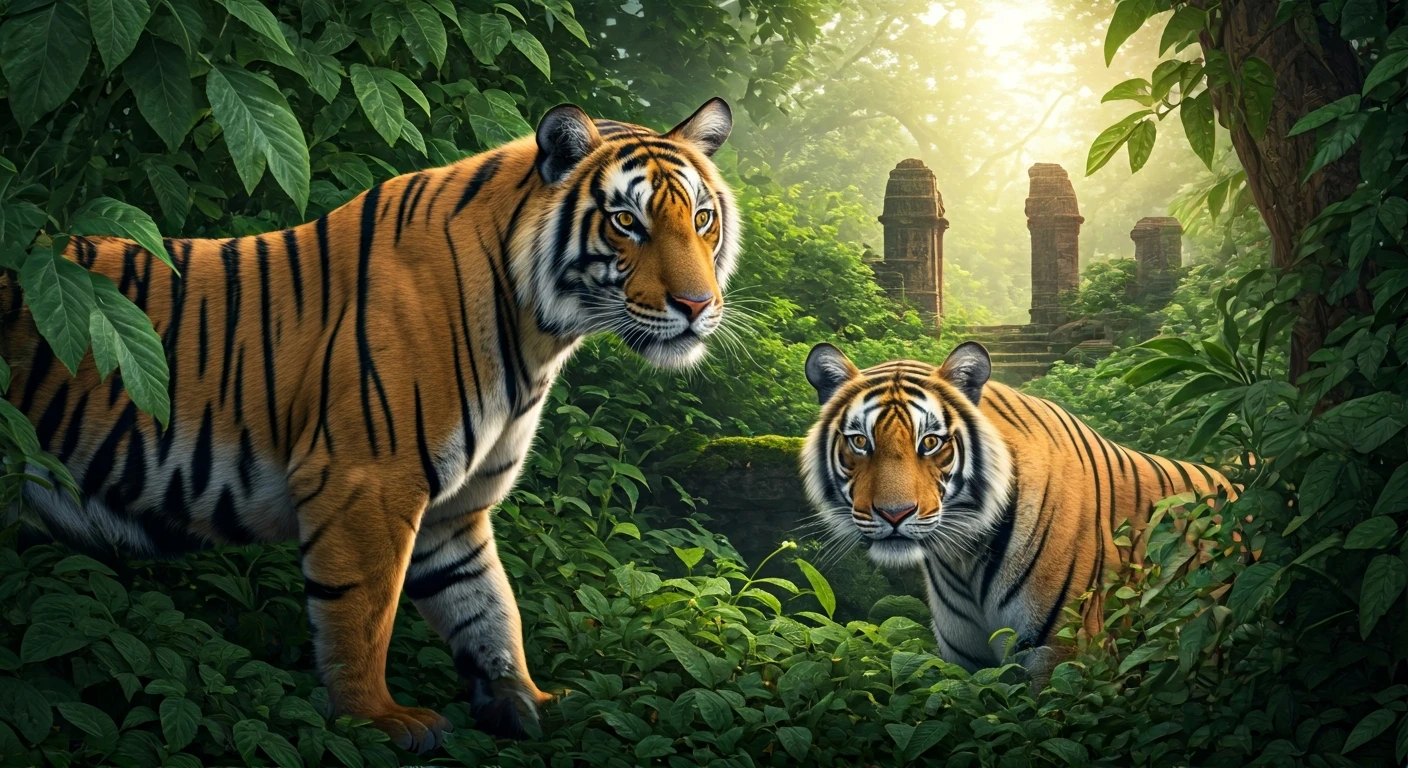
For American travelers venturing deep into India, some destinations become legendary. Ranthambore National Park is one of them. It isn’t just a wildlife sanctuary; it’s an arena. The promise is simple and profound: the chance to see a Bengal tiger, wild and free,
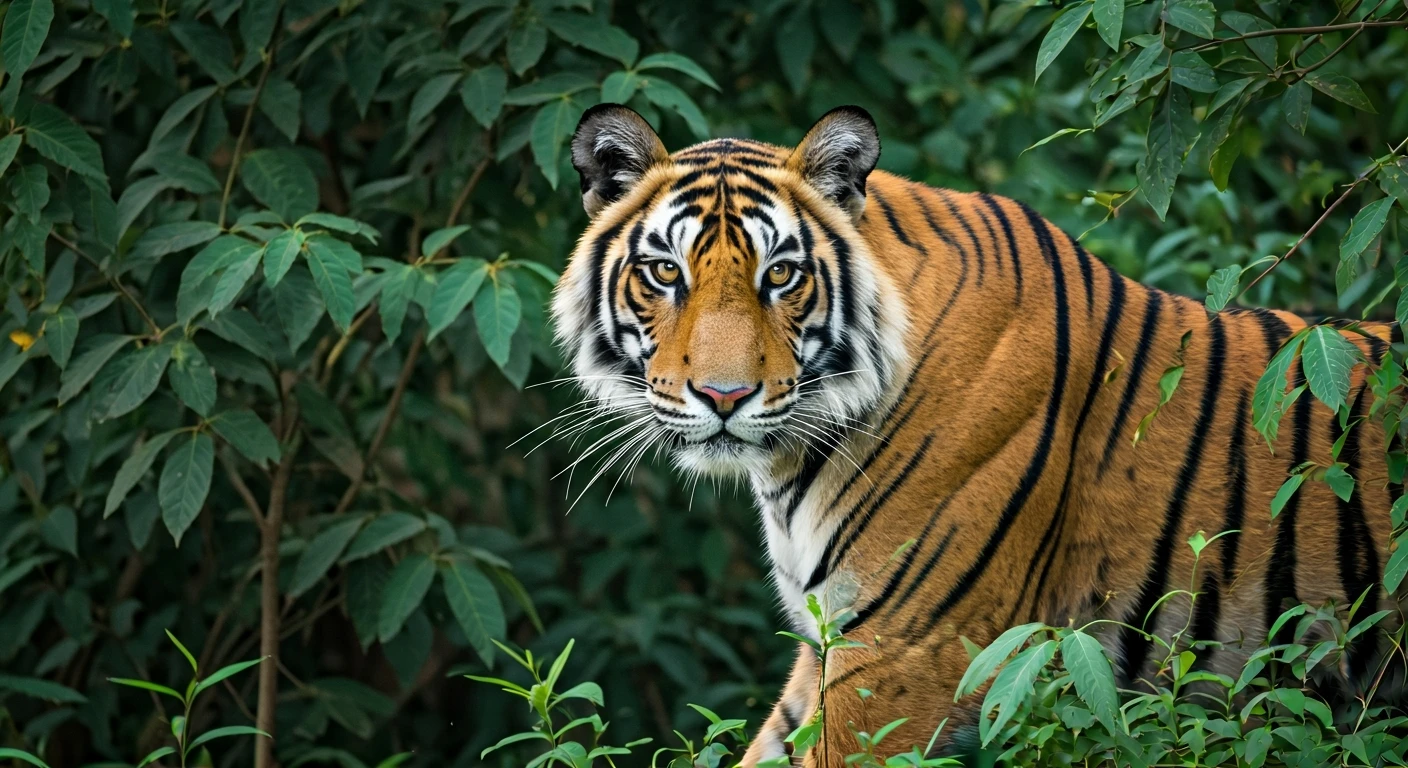
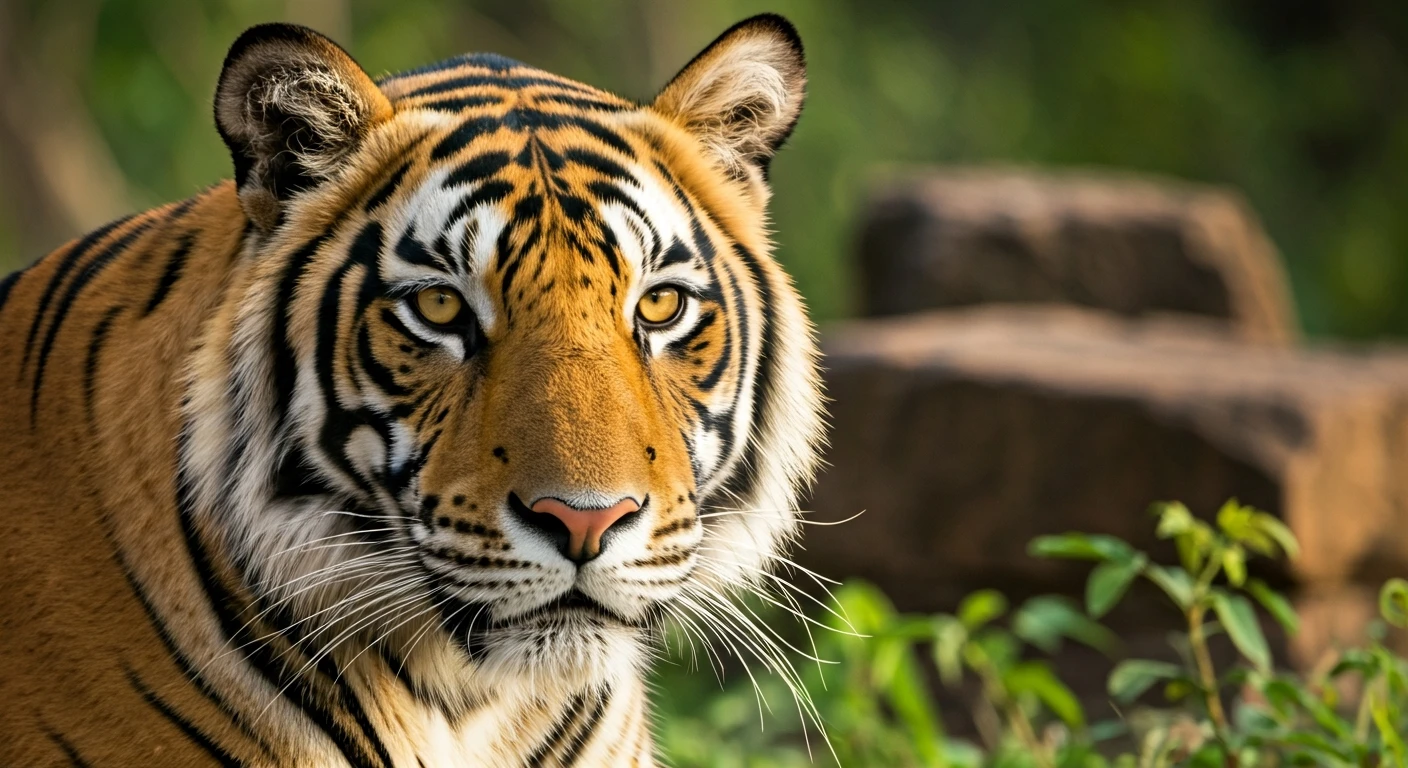
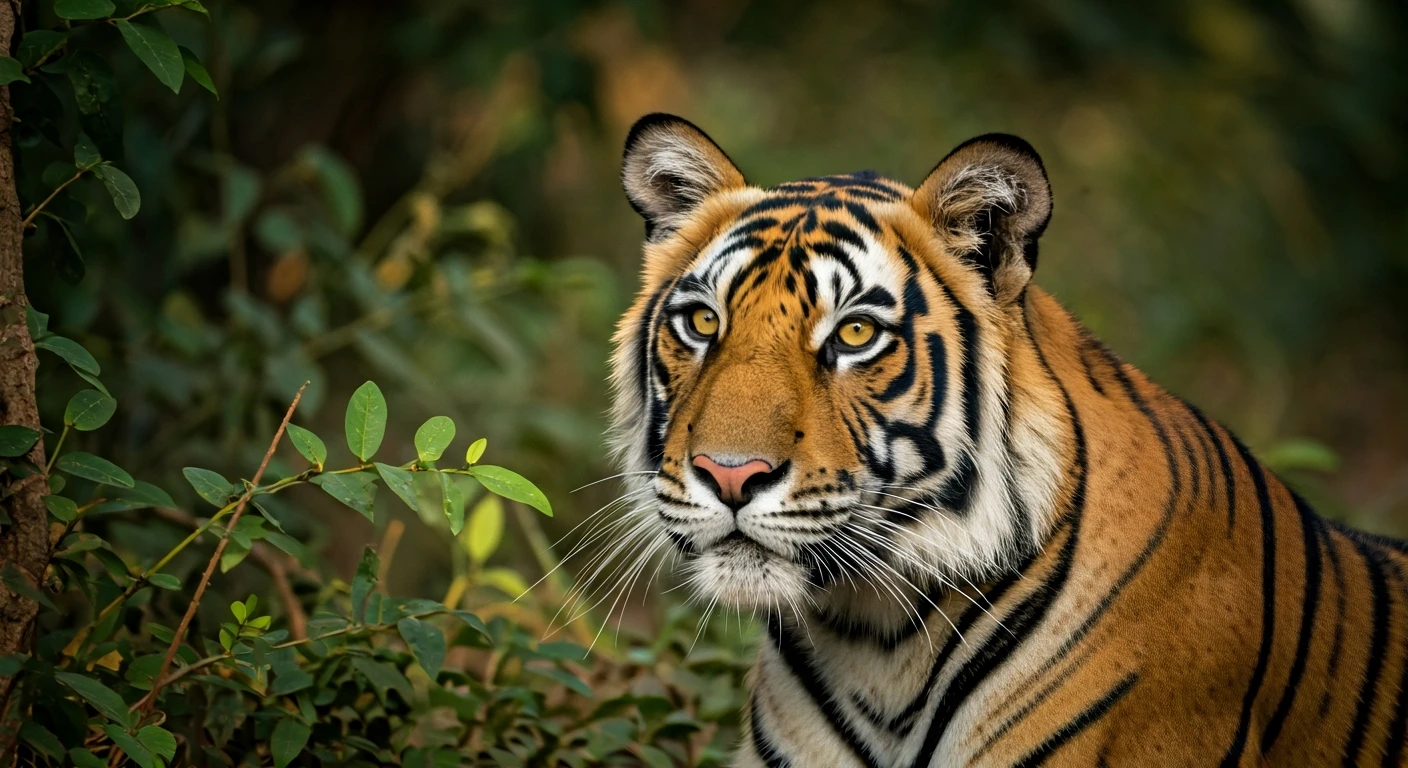
in its natural habitat. Ranthambore has built a global reputation as one of the most reliable places on Earth for a sighting, turning a once-in-a-lifetime dream into a plausible itinerary item. This promise is the magnetic force that pulls thousands here every year, ready to brave long flights, early mornings, and bumpy rides. They come not just to see an animal, but to witness an icon—a creature of mythic status moving silently through the dry, deciduous forest. The tiger is the prize, the ultimate justification for the entire journey.
A Fortress Lost in Time
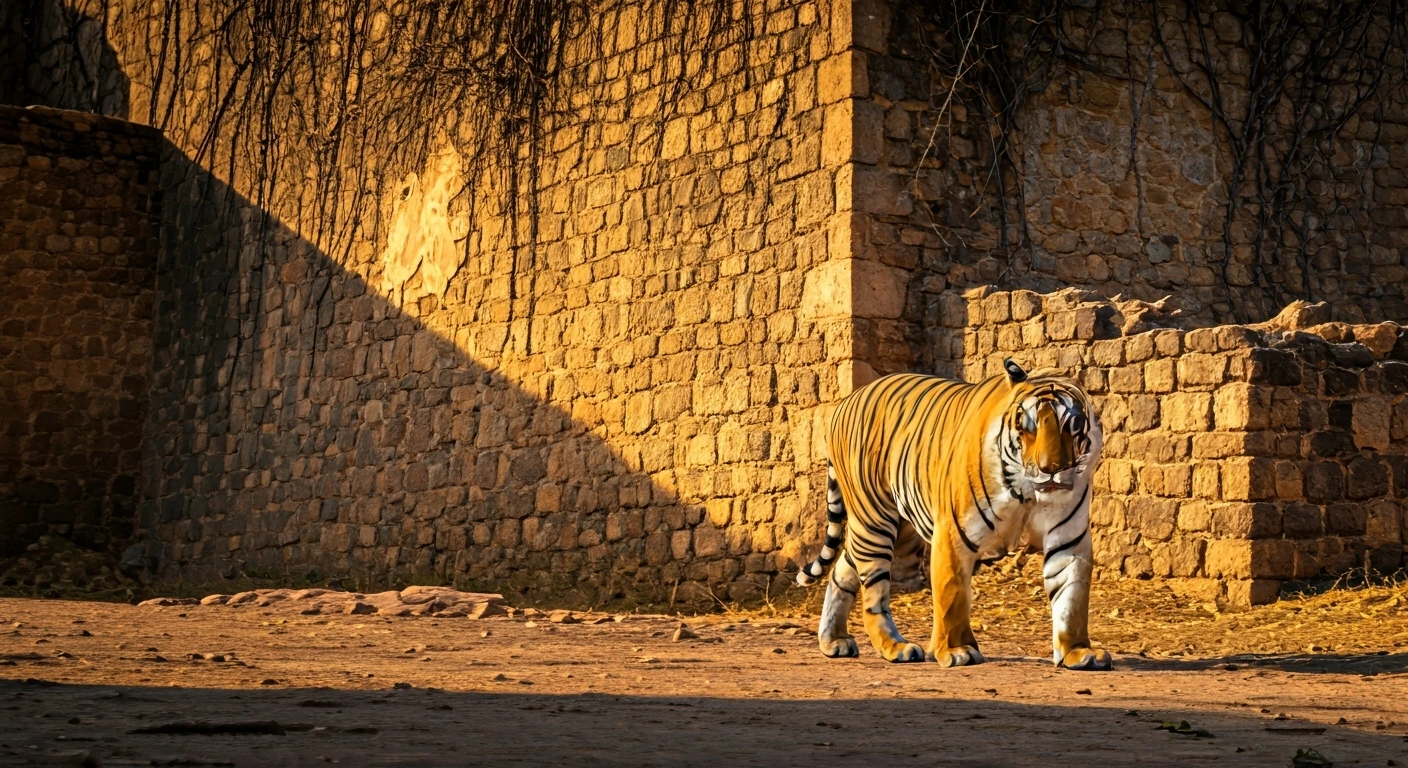
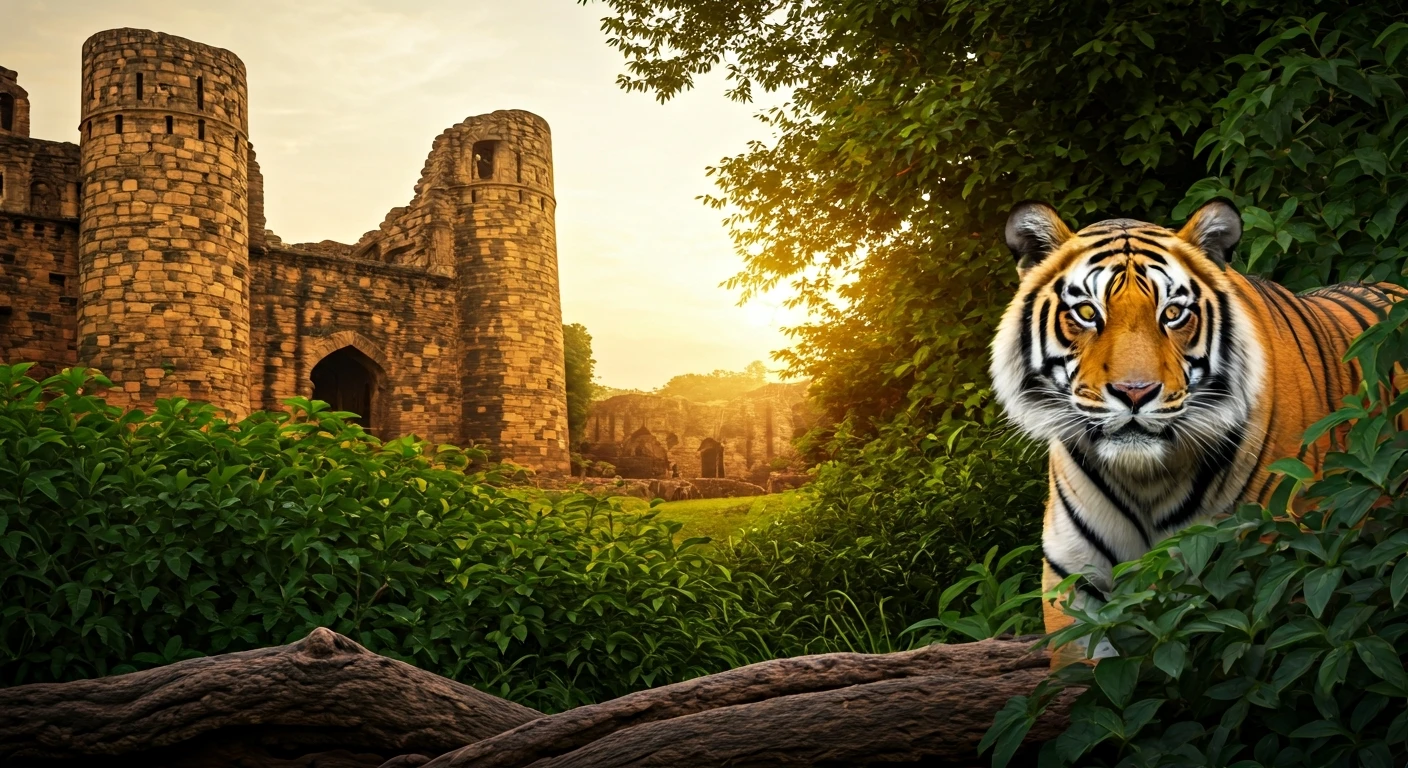
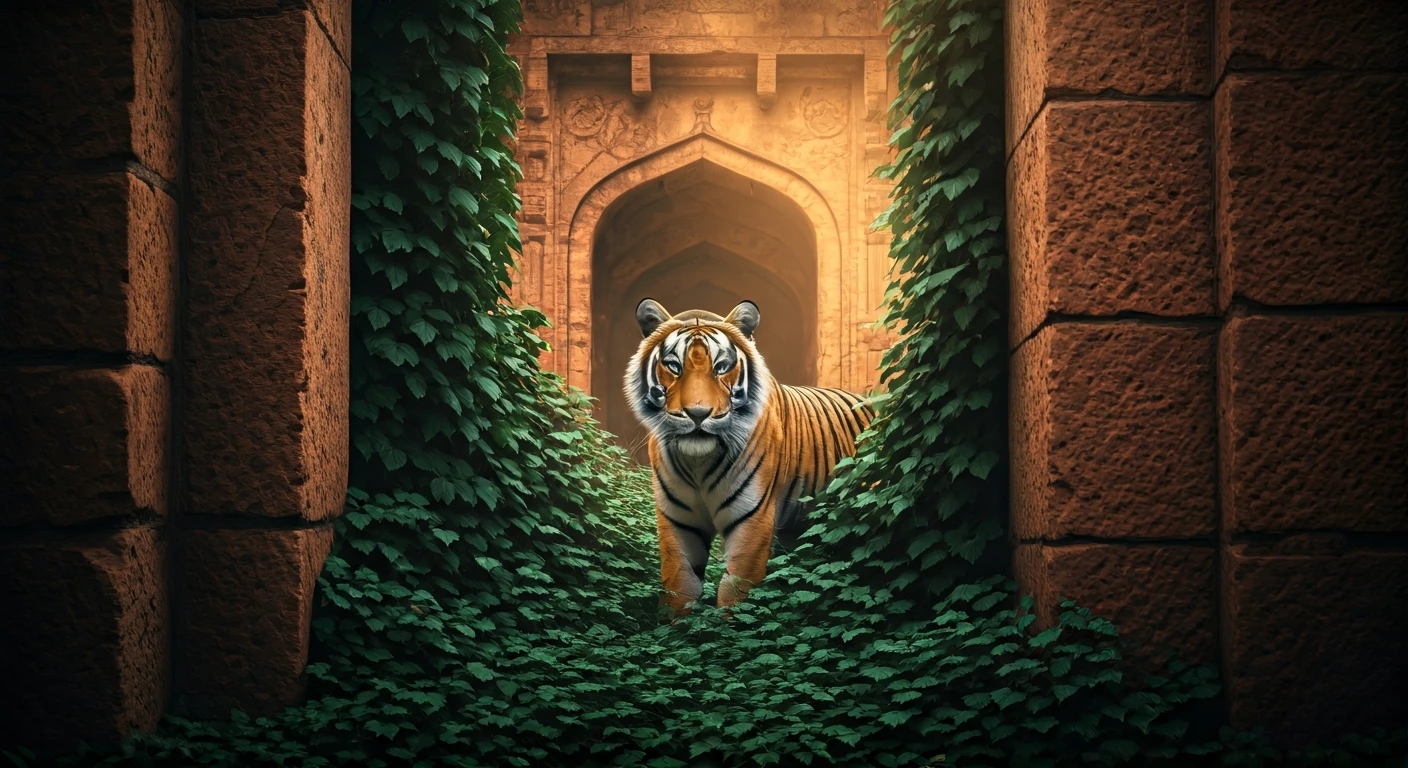
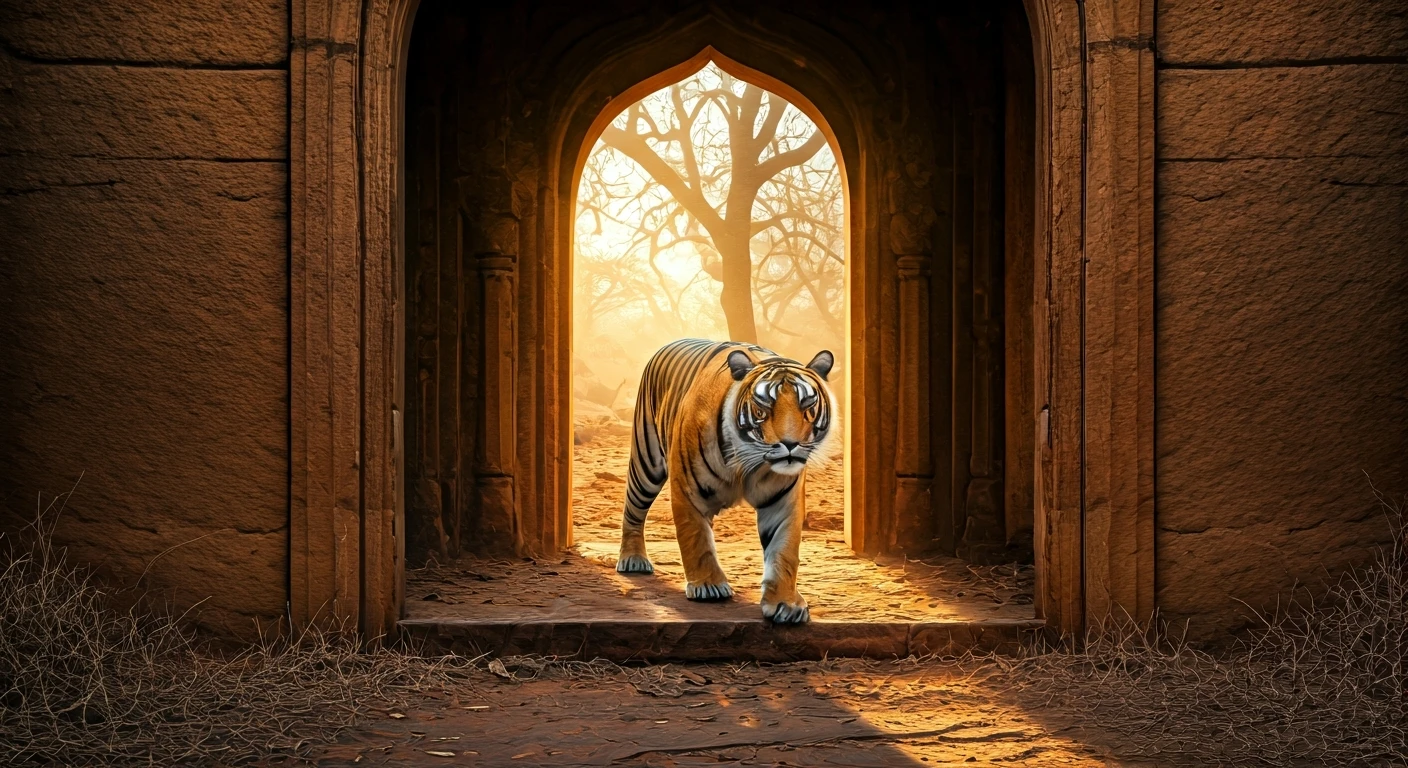
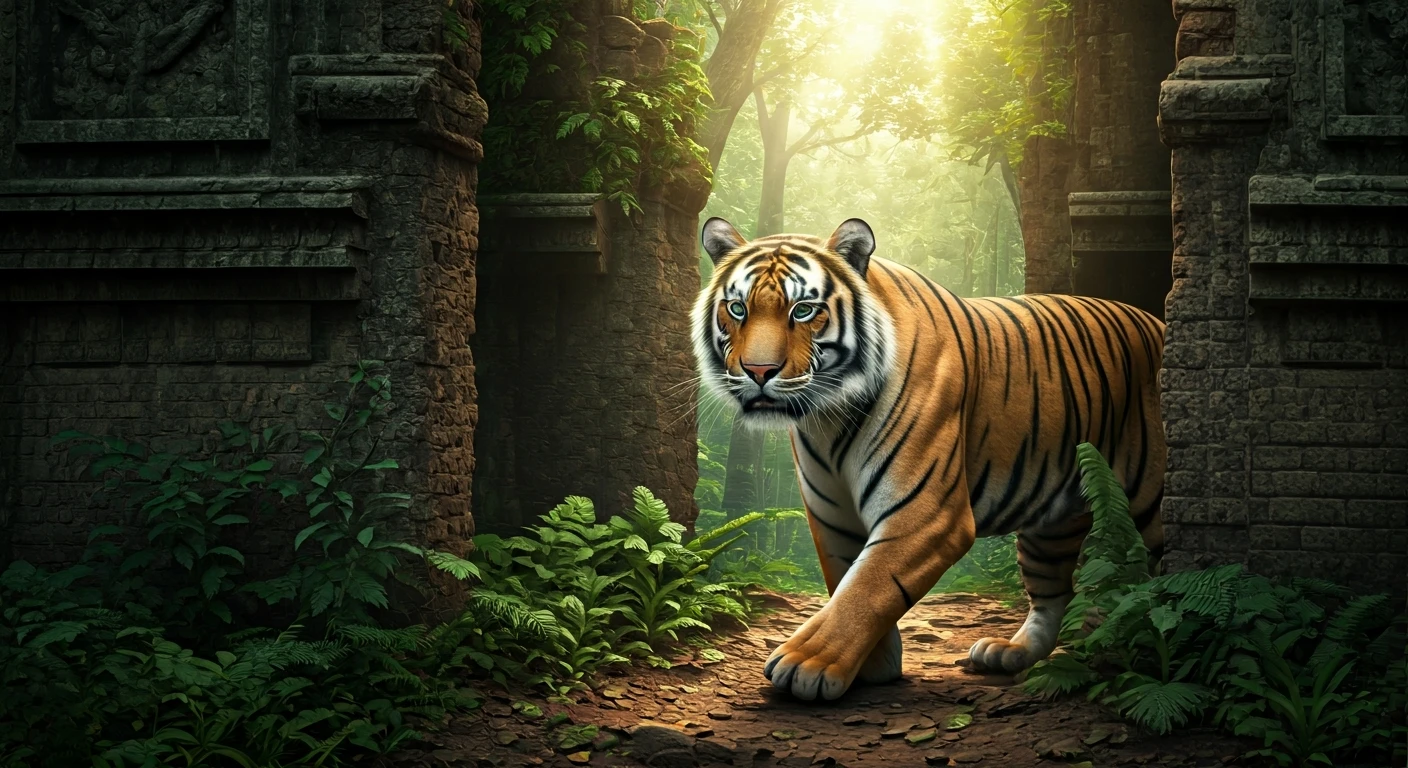
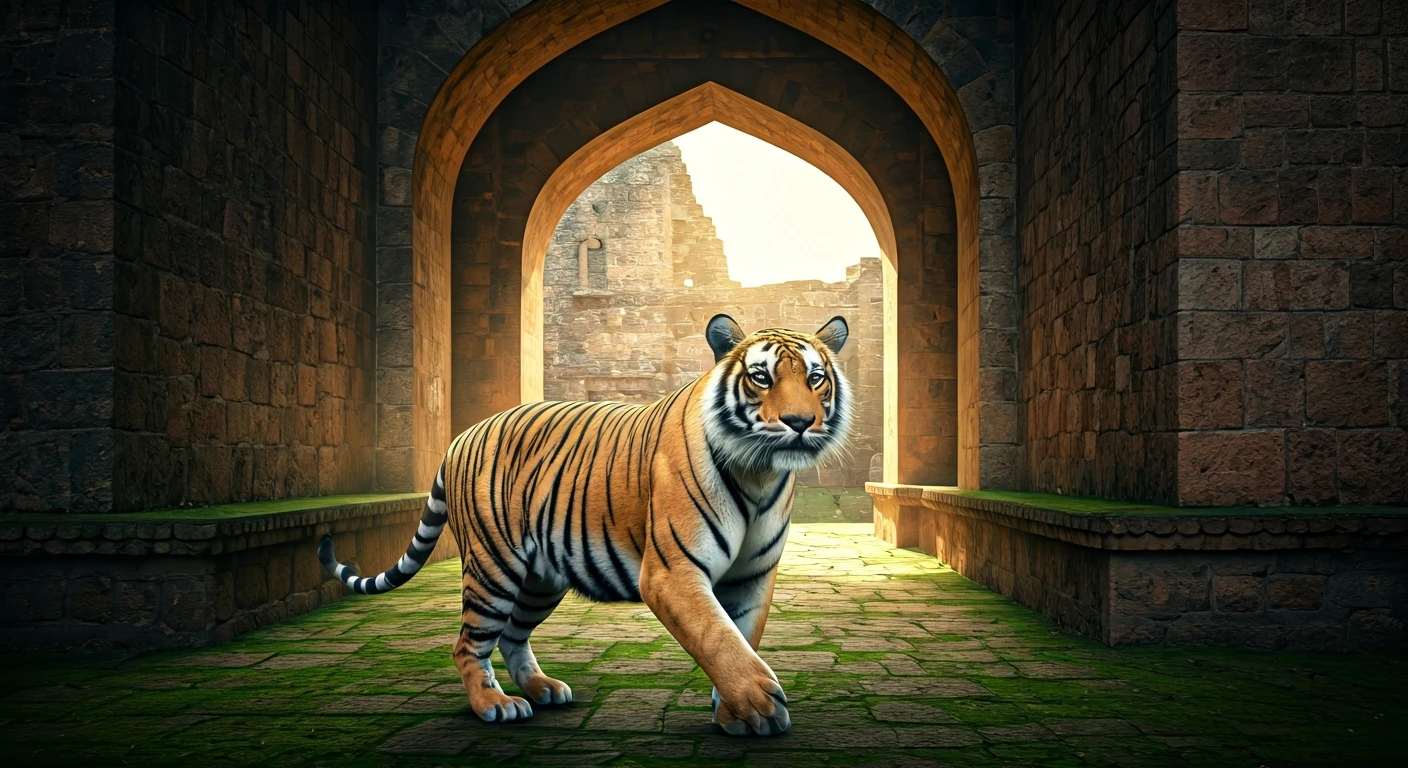
But the tiger is only half the story. The park’s landscape is dominated by the colossal Ranthambore Fort, a 10th-century stronghold recognized as a UNESCO World Heritage Site. Its ramparts, temples, and crumbling pavilions rise dramatically from a massive rock outcrop at the center of the park. Driving through the ancient gates to begin a safari feels like entering another world, a scene from a Kipling story. Peacocks strut across forgotten courtyards, and langur monkeys scale moss-covered walls. The juxtaposition is stunning: the raw, untamed power of nature playing out against a backdrop of sophisticated, decaying human history. Safari-goers might spot a sloth bear ambling near a centuries-old stepwell or a crocodile sunning itself in a lake beside a submerged palace. This blend of nature and ruins gives Ranthambore a unique, almost cinematic quality that other tiger reserves simply can’t match.
Embracing the Beautiful Chaos
And then there’s the chaos. To the uninitiated, it can be jarring. The moment a credible tiger sighting is reported, the safari experience transforms from a patient search into a frenetic chase. Drivers, communicating through a crackling, informal radio network, slam their vehicles into gear. Jeeps and larger canter trucks jostle for position on narrow dirt tracks, kicking up clouds of dust as they converge on a single spot. There’s a palpable tension, a competitive energy fueled by guides desperate to deliver for their clients. Phones and long-lens cameras are held aloft, everyone craning for a view. Yet, for many, this isn’t a drawback; it’s part of the thrill. This shared, chaotic pursuit creates a strange sense of community. You are all in it together, united in a singular focus. The chaos is a testament to how much this moment matters. It’s the human, adrenaline-fueled layer of the Ranthambore experience.
The Moment of Truth
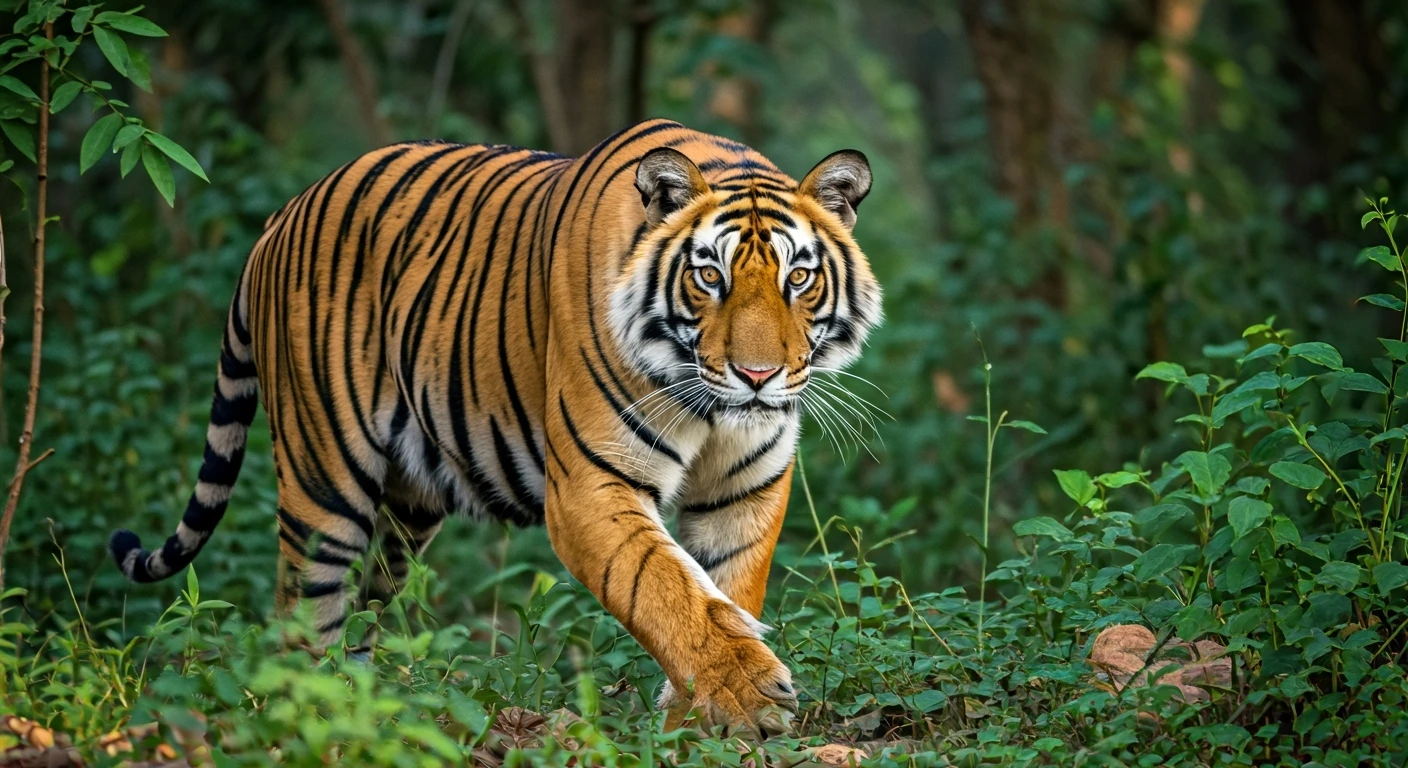
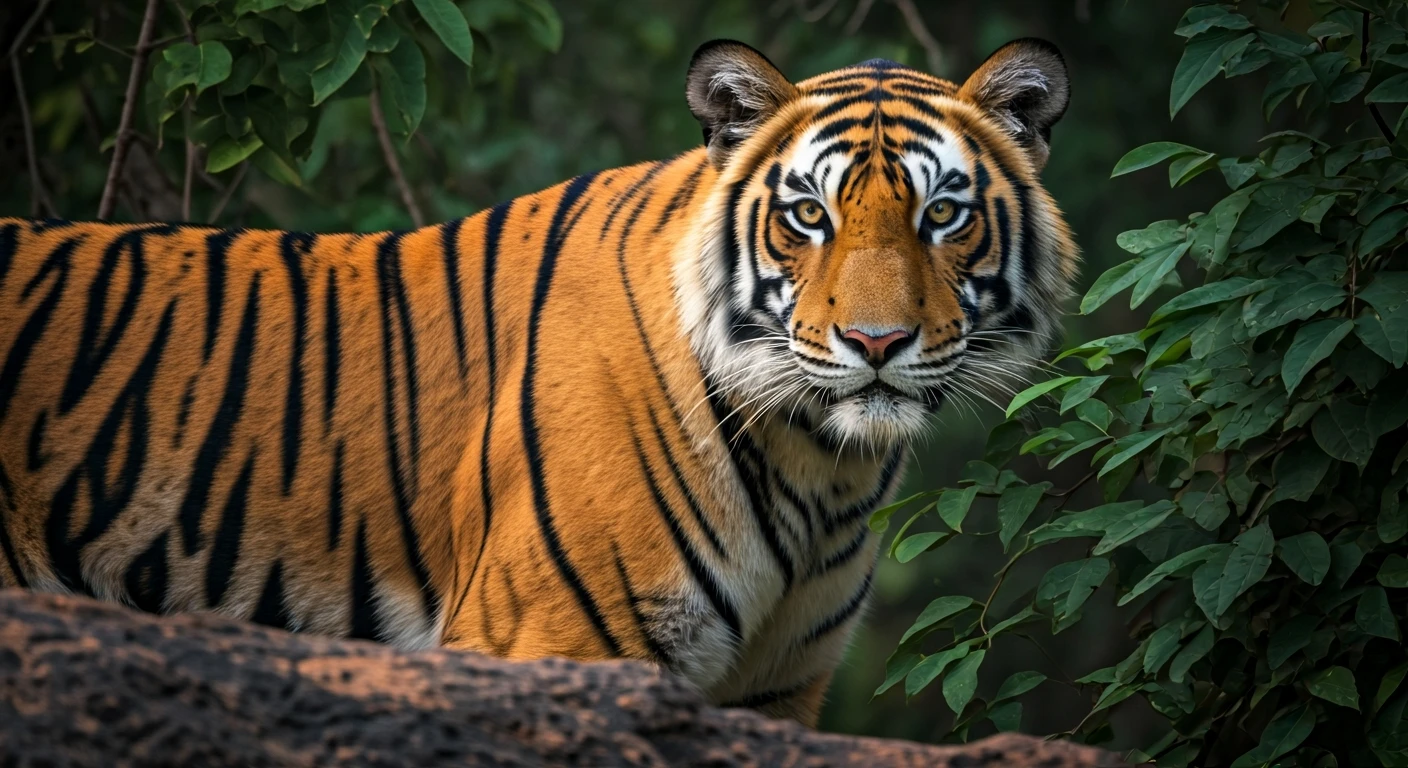
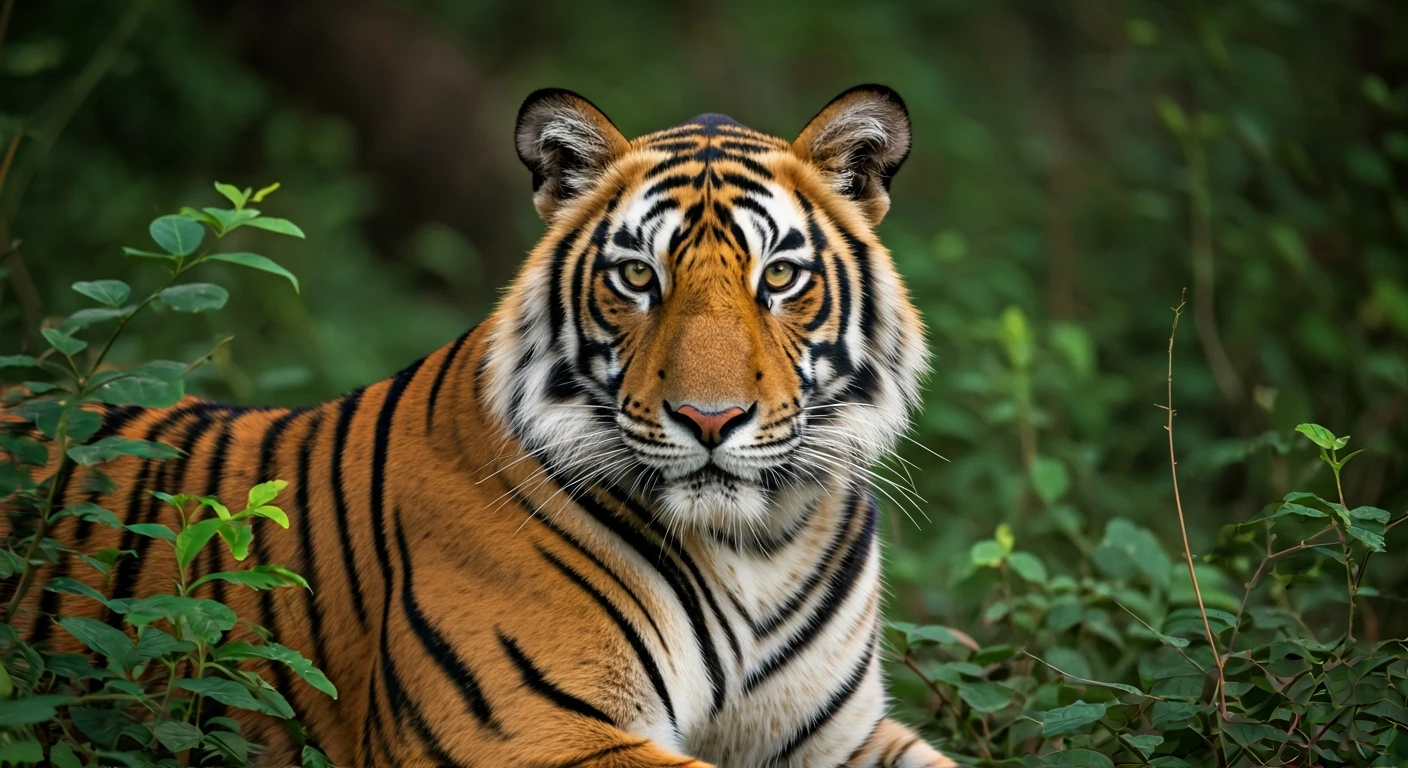
After the chase, a sudden, collective hush falls over the convoy of jeeps. A guide points, whispering urgently. And then you see it. Through a thicket of flame-of-the-forest trees, a flash of orange and black. The tiger emerges, utterly indifferent to its audience. It pads silently across the track, its powerful muscles rippling beneath its striped coat. It might yawn, stretch, or simply disappear back into the scrub with ghost-like stealth. In that moment, the dust, the bumpy ride, and the jostling for position all melt away. Time seems to slow down. The sight is electric, primal, and deeply humbling. You realize you are a fleeting guest in its kingdom. This is the payoff. This single, breathtaking minute of wildlife theater is what makes the entire chaotic, beautiful, and unforgettable journey to Ranthambore absolutely worth it.