






What Exactly Is a Study Pod?
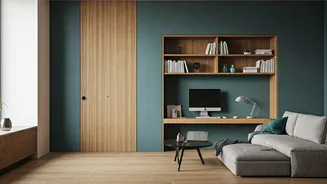
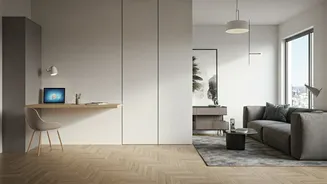
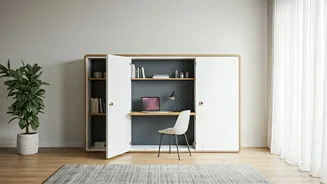
Picture a sleek, wall-mounted cabinet. When closed, it might be just a few inches deep, looking like a minimalist piece of storage. But with a simple pull, it unfolds into a surprisingly complete workstation: a desk large enough for a laptop and a notebook,
integrated shelving for books, and sometimes even built-in lighting and power outlets. These are not the flimsy, wobbly TV trays of yesteryear. Modern foldaway study pods are sturdy, well-designed pieces of furniture that transform a small patch of wall in a living room, bedroom, or hallway into a functional zone for focus. When the workday or study session is over, everything gets tucked back inside, and the space reverts to its original purpose. It's the ultimate 'now you see it, now you don't' solution for the home office.
Born from Necessity in Urban India
The rise of the study pod in India is a direct response to a unique set of cultural and spatial pressures. In megacities like Mumbai, Delhi, and Bengaluru, space is the ultimate luxury. Apartments are often compact, and it’s common for multiple generations of a family to live together under one roof. Finding a quiet, private corner for a child to do their homework or for a professional to join a video call can be a daily struggle. This environment, combined with a culture that places a high value on education and professional ambition, created a perfect storm. The pandemic accelerated this trend exponentially, as millions of students and office workers were suddenly forced to learn and work from home. The foldaway pod emerged as an ingenious answer: a way to carve out a dedicated 'third space' for concentration without permanently sacrificing a chunk of the family’s shared living area.
The Psychology of a 'Disappearing' Office
The appeal of these pods goes beyond just saving space. They offer a powerful psychological benefit that anyone who has worked from their dining table can understand: the ability to mentally switch off. When your workspace is also your living space, the boundaries between work and life blur. Laptops and papers colonize surfaces, creating a constant, low-grade hum of professional obligation. A foldaway pod creates a ritual of opening and closing your workspace. Unfolding it signals the start of a focused period. More importantly, closing it at the end of the day provides a sense of finality. The physical act of putting your work 'away' helps the brain transition back into home mode, preserving the sanctity of personal time and preventing burnout. It’s a small piece of furniture that enforces a healthy work-life boundary.
A Lesson for American Homes?
While the specific context is Indian, the problem these pods solve is universal. American cities are also seeing rising housing costs and shrinking apartment sizes. The remote and hybrid work revolution is here to stay, leaving millions to figure out how to integrate a functional office into homes that weren't designed for it. From studio apartments in New York to suburban houses where a spare room is now a nursery, the need for flexible, space-saving solutions is growing. The Indian study pod offers a compelling model. It’s a reminder that you don’t need a dedicated room to have a dedicated workspace. This concept of multi-functional, transformable furniture is becoming increasingly relevant as we reimagine our homes to be more flexible, efficient, and responsive to our changing lives.