

The Reign of 'Greige'
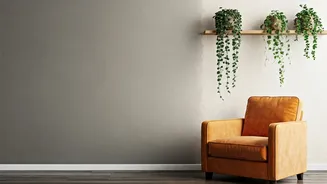
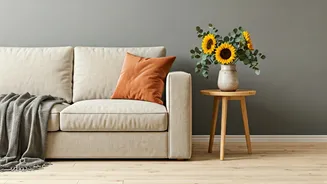
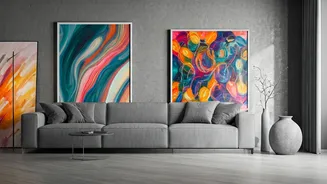
For the better part of a decade, a specific aesthetic ruled. Call it Millennial Minimalism, Instagram Modern, or simply “greige”—that ubiquitous blend of grey and beige that colonized everything from luxury condos and direct-to-consumer furniture to coffee
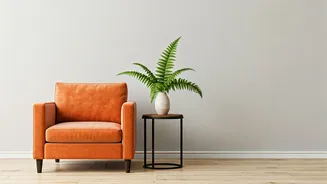
shop interiors and corporate branding. It was the color of calm, control, and curated sophistication. This wasn't just a random choice; it reflected a cultural mood. In a world of digital chaos and economic uncertainty, the clean lines, neutral palettes, and uncluttered surfaces offered a sense of order and serenity. It was heavily influenced by Scandinavian design principles and the decluttering gospel of Marie Kondo, promising that a less-is-more approach to our surroundings would lead to a clearer mind. The look was sleek, photogenic, and, above all, inoffensive. But after years of living in a sea of muted tones, a collective fatigue began to set in. One person's serene sanctuary started to look like everyone else's sterile showroom.
The Maximalist Counter-Attack
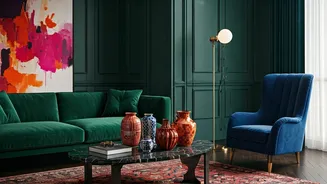
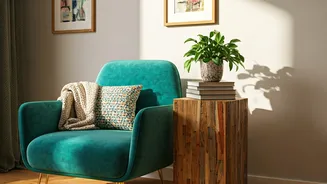
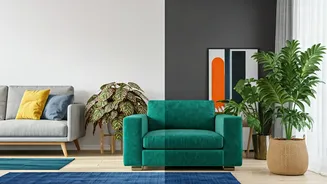
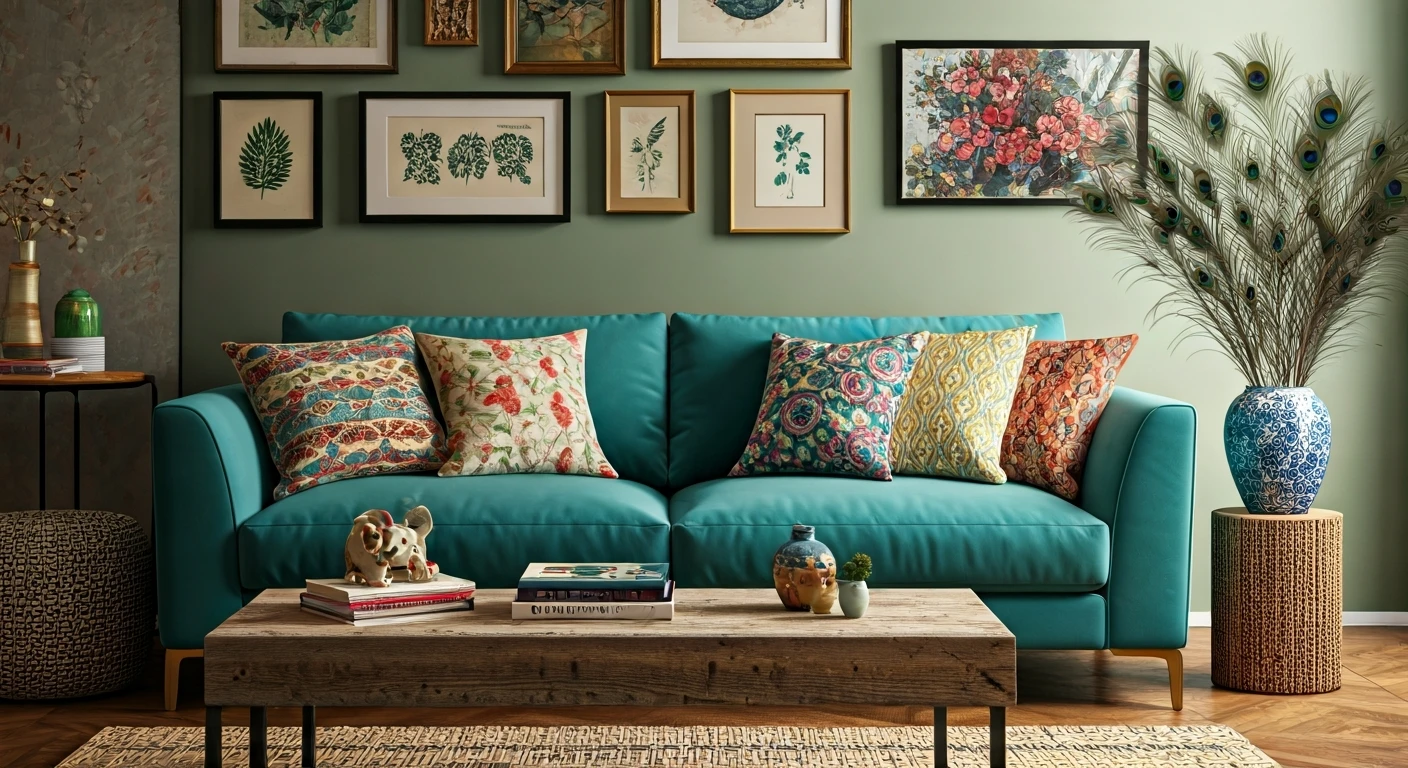
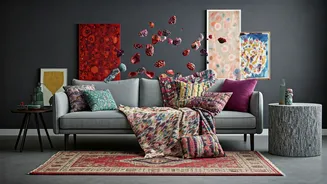
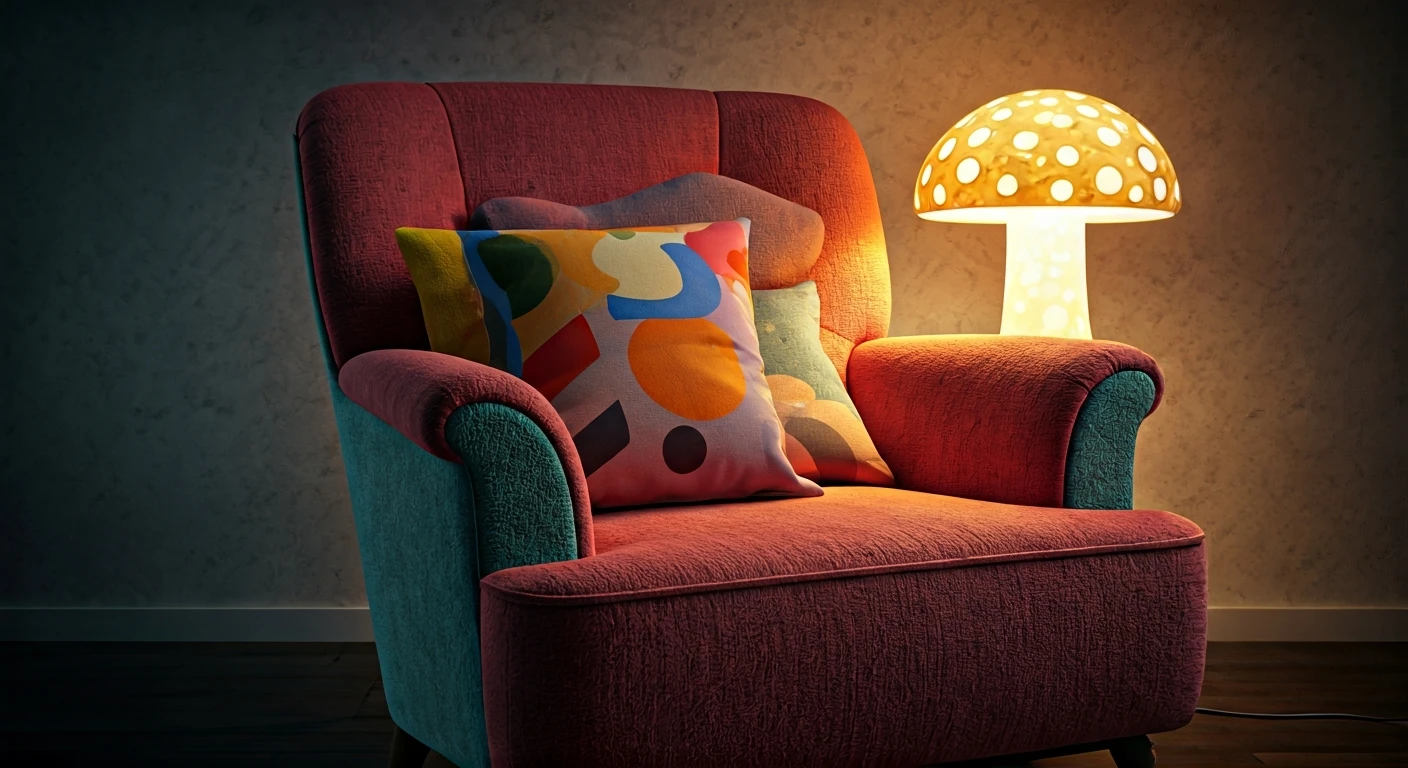
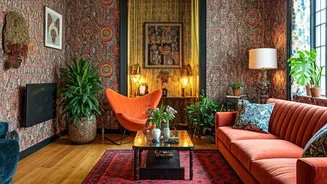
The pendulum is now swinging dramatically in the other direction. In its place is a joyful, unapologetic embrace of what design experts and social media have dubbed “dopamine decor.” It’s a philosophy centered on using color, texture, and pattern to actively boost your mood. Think jewel-toned velvet sofas, wildly patterned wallpaper, gallery walls overflowing with mismatched frames, and neon signs glowing in the hallway. This isn’t about following a specific set of rules; it's about personal expression and surrounding yourself with things that bring you happiness. The fear of clashing is gone, replaced by a desire for spaces that feel unique, layered, and lived-in. This maximalist impulse celebrates personality over perfection, injecting a much-needed dose of humanity back into our homes.
Why We Crave Vibrancy Now
This aesthetic shift isn't happening in a vacuum. Many cultural observers link the craving for color and expressive design to the collective experience of the pandemic. After years of being confined to our homes, which for many were also their sterile, greige offices, there’s a powerful psychological need to make our personal spaces feel more vibrant, stimulating, and alive. It’s a rebellion against the monotony and anxiety of recent years. Furthermore, it represents a backlash against the algorithm-friendly, one-size-fits-all aesthetic that dominated social media. People are tired of their homes looking like an Instagram flat-lay. They want authenticity, warmth, and a home that tells a story—their story—not one that simply conforms to a fleeting, sanitized trend.
Art Goes Big and Public
This movement isn't confined to our interiors. It's spilling out into the streets. Across the country, “big art” is transforming public spaces. Forget small, polite sculptures tucked away in a corner. We're seeing entire building facades turned into monumental murals, drab underpasses revitalized with kaleidoscopic color, and giant, whimsical installations popping up in city parks and corporate plazas. This isn't just decoration; it’s a form of civic reclamation. These large-scale works bring identity and energy to neighborhoods, turning sterile urban landscapes into destinations. They create landmarks, spark conversations, and provide a daily dose of wonder and creativity for residents. In an age of digital placelessness, big public art anchors us to our physical communities, reminding us that the shared world can—and should—be inspiring.