
Why Your Summer Is a 'Monsoon' for Food
In many parts of the world, monsoon season is defined by intense humidity and persistent dampness. This combination creates a perfect breeding ground for bacteria and mold. While you may not be dealing with a literal monsoon, the American summer—with
its thunderstorms, high humidity, and sweltering heat waves—creates strikingly similar conditions that put our food at risk. Moisture is a key ingredient for microbial growth. When the air is heavy with humidity, it slows the evaporation process. This means condensation can form more easily on containers, inside refrigerators, and on food surfaces. Combine that moisture with the warm temperatures of a summer day, and you have an ideal environment for bacteria like Salmonella, E. coli, and Listeria to multiply at an alarming rate. This isn't just about outdoor picnics; it applies to your kitchen, especially during and after a power outage caused by a summer storm.
The 'Danger Zone': A Critical Refresher
The single most important concept in food safety is the “Danger Zone.” The USDA defines this as the temperature range between 40°F and 140°F. Within this range, harmful bacteria can double in number in as little as 20 minutes. Your refrigerator should be set at or below 40°F, and your freezer at 0°F.
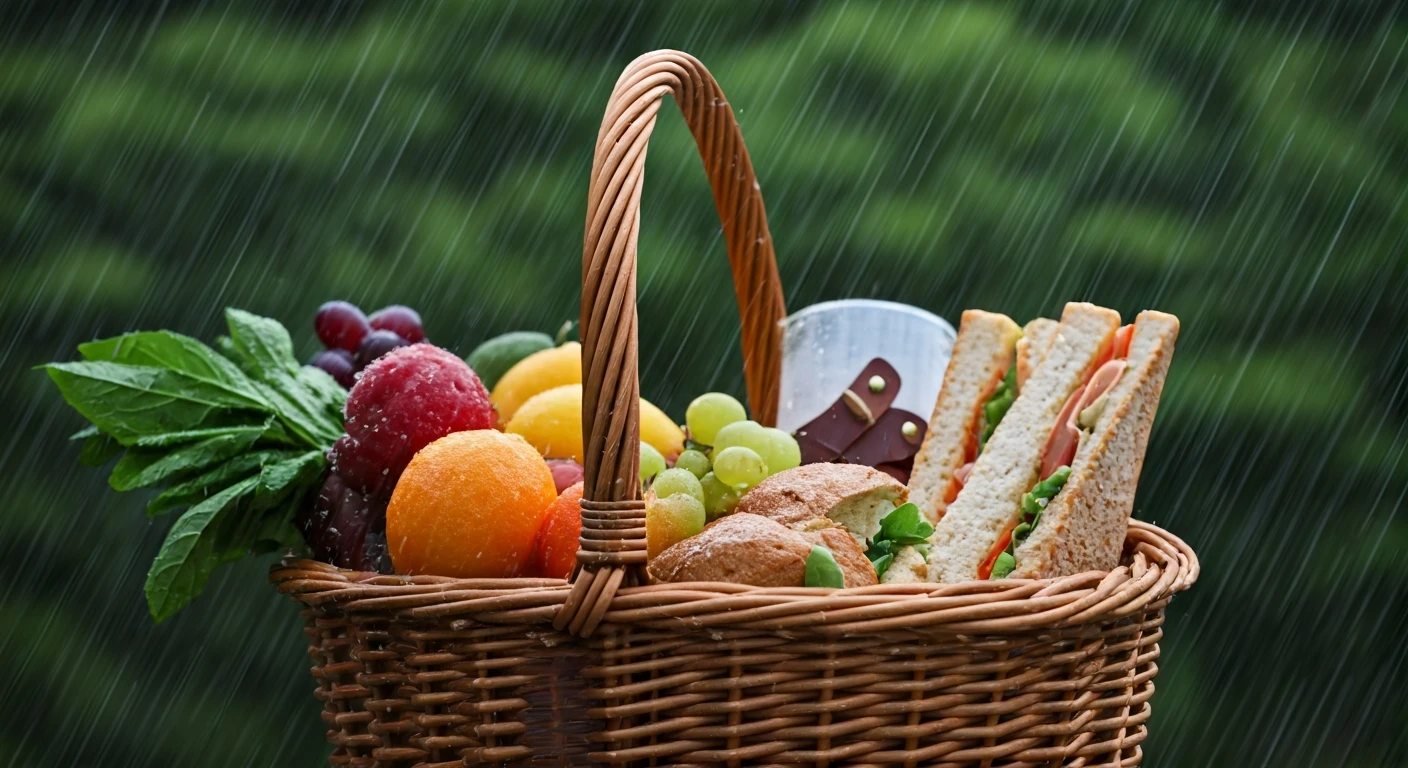
The problem during summer is how quickly foods can enter this zone. A cooler left in a hot car, a potato salad sitting on a picnic table, or the contents of your fridge during a power outage can all reach temperatures above 40°F much faster than you’d expect. The cardinal rule is the “Two-Hour Rule”: never leave perishable food out at room temperature for more than two hours. If the temperature is above 90°F, that window shrinks to just one hour. That’s not a lot of time, making vigilance essential for any summer gathering.
The Usual Suspects: High-Risk Cold Foods
While all perishable foods need care, some are particularly vulnerable to spoilage and bacterial growth in warm, humid weather. Being extra cautious with these items can significantly reduce your risk of foodborne illness.
* **Prepared Salads:** Anything creamy and mayonnaise-based, like potato salad, tuna salad, or coleslaw, is a classic high-risk item. They are often served cold but warm up quickly.
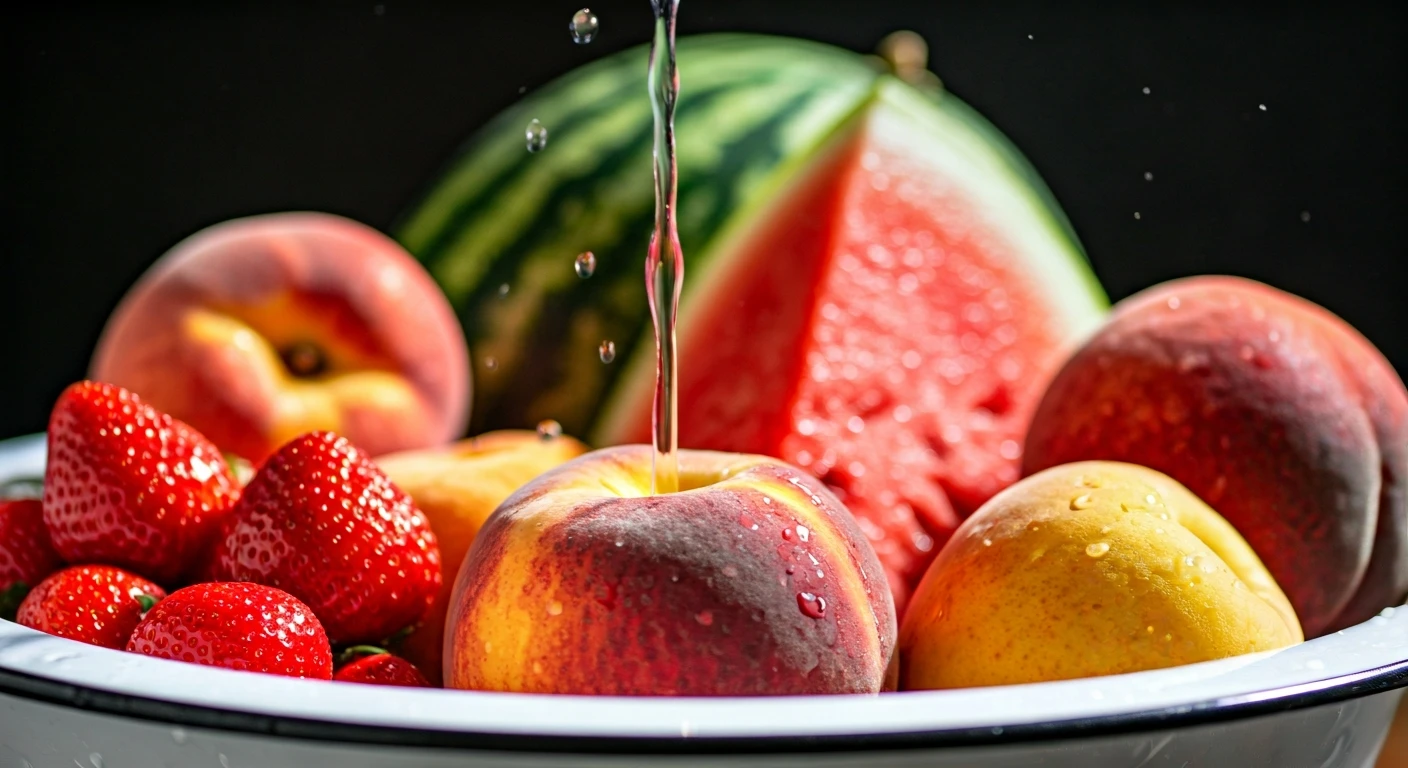
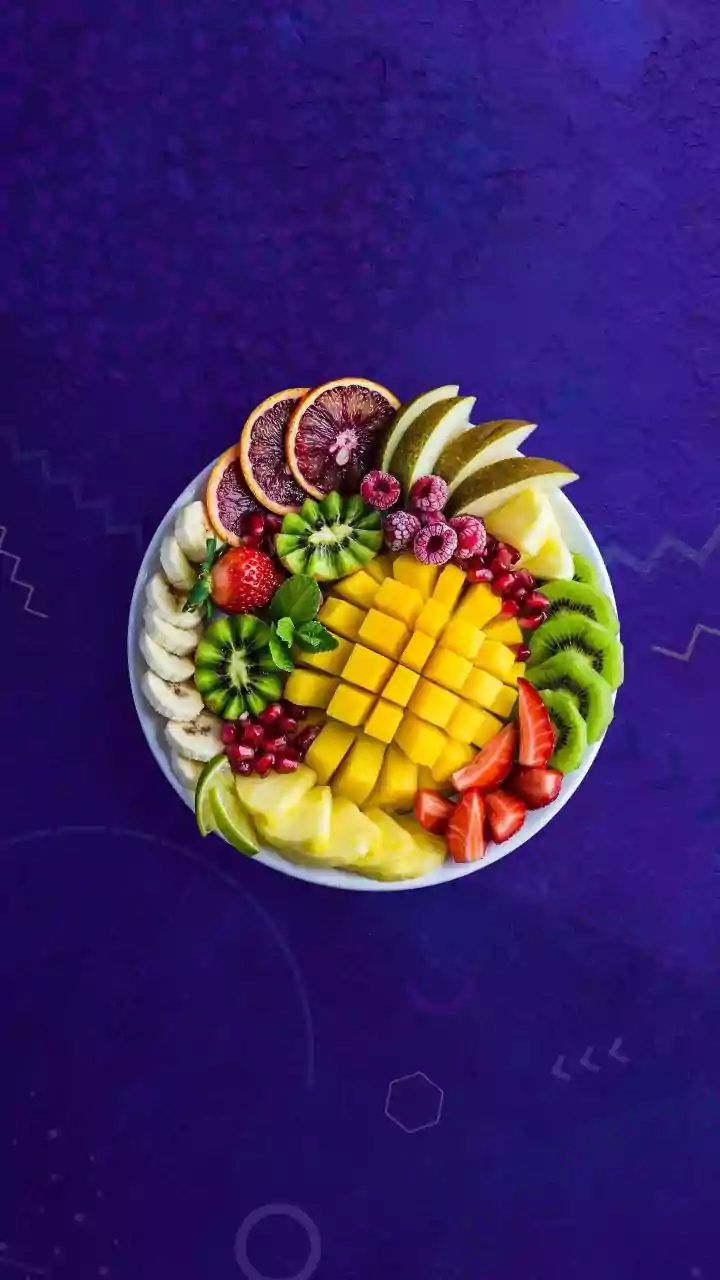
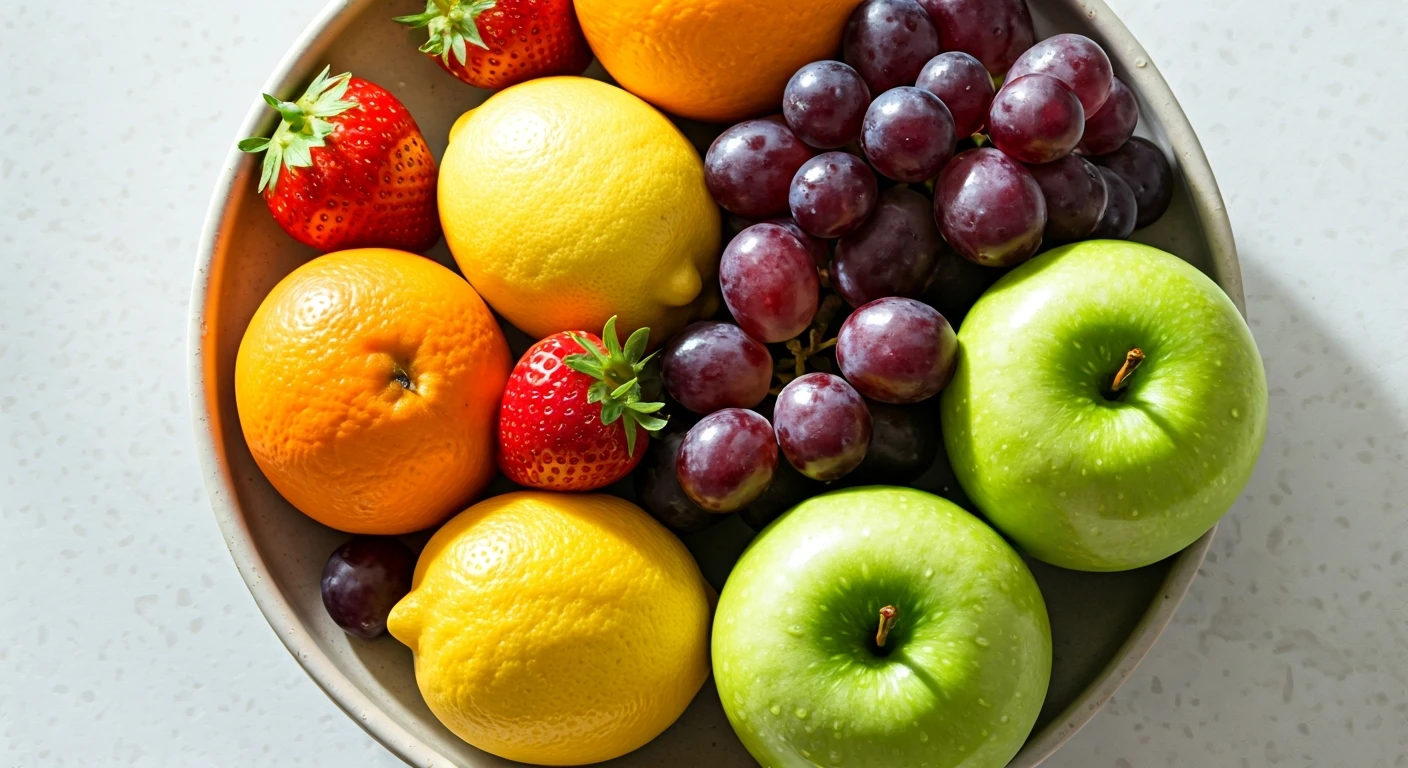
* **Cut Fruits and Vegetables:** Once a melon, tomato, or leafy green is cut, its protective skin is broken, exposing the moist interior to bacteria. Pre-cut fruit platters are especially risky if not kept consistently chilled.
* **Deli Meats and Cheeses:** These luncheon staples are perishable and must be kept cold. Soft cheeses, in particular, are more susceptible than hard cheeses.
* **Dairy Products:** Milk, yogurt, and creamy desserts are obvious candidates for spoilage. Even a short time in the Danger Zone can make them unsafe.
Your Summer Food Safety Playbook
Staying safe is about preparation and good habits. Think of it as a simple playbook for handling cold food during the warmer months.
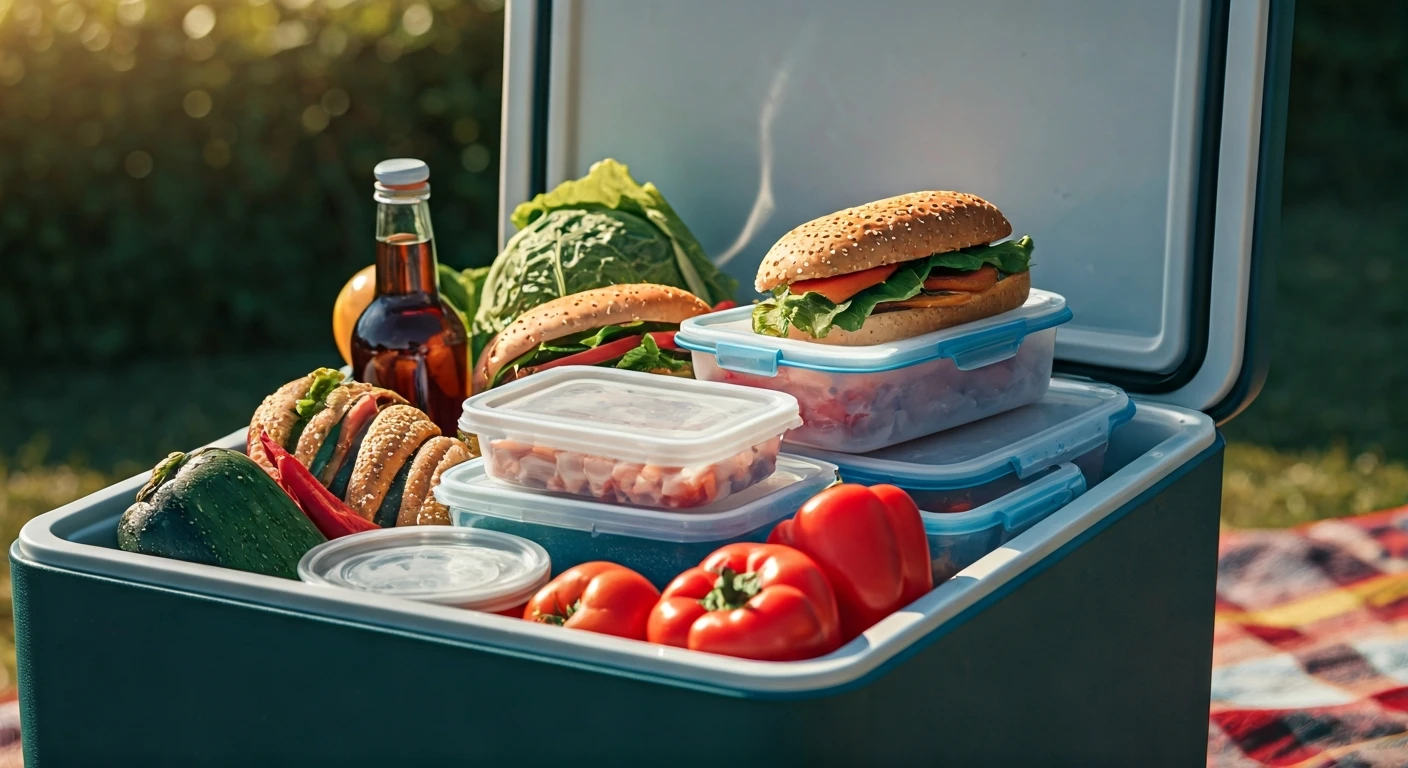
1. **Cooler Strategy:** Don’t just toss food in a cooler. Pack it with at least 25% of its volume as ice or gel packs. Keep drinks in a separate cooler from food, since it will be opened more frequently. Pre-chill all items before they go into the cooler.
2. **Thermometers Are Your Friend:** An inexpensive refrigerator thermometer can tell you if your fridge is at a safe temperature, especially after the power flickers. A food thermometer is the only way to know for sure if food is safe to eat.
3. **After a Power Outage:** Keep the fridge and freezer doors closed as much as possible. A closed, full freezer will hold its temperature for about 48 hours (24 hours if half-full). A refrigerator will keep food safe for about 4 hours. When in doubt, throw it out. Never taste food to determine if it's safe.
4. **Serving Smartly:** Instead of putting out a huge bowl of potato salad, keep the main portion in the cooler and serve smaller amounts, refilling as needed. This minimizes the time any one portion sits out in the heat.