




The Monsoon's Grand Arrival
While the headline notes a peak this week, it's pointing to a much grander, season-long event. From roughly June through September, the Indian Summer Monsoon sweeps across the subcontinent, and nowhere is its impact more visually stunning than in the Western
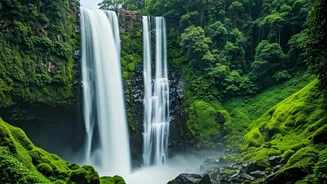
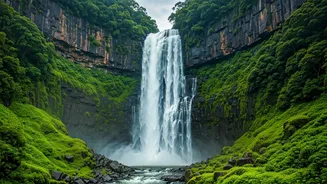
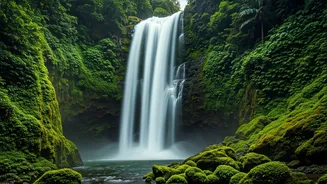
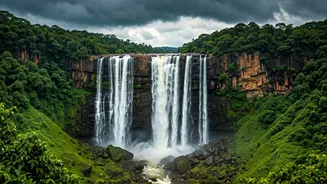
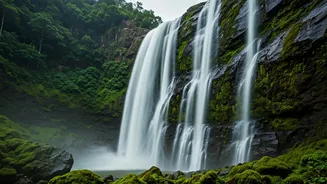
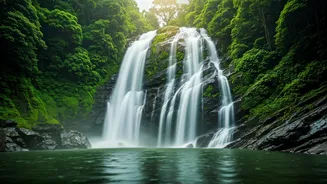
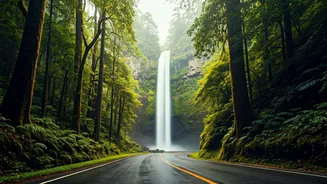
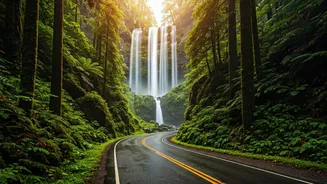
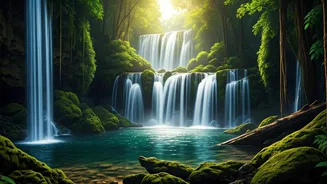
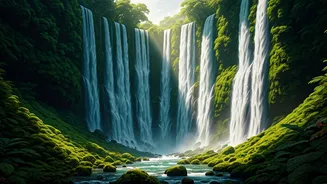
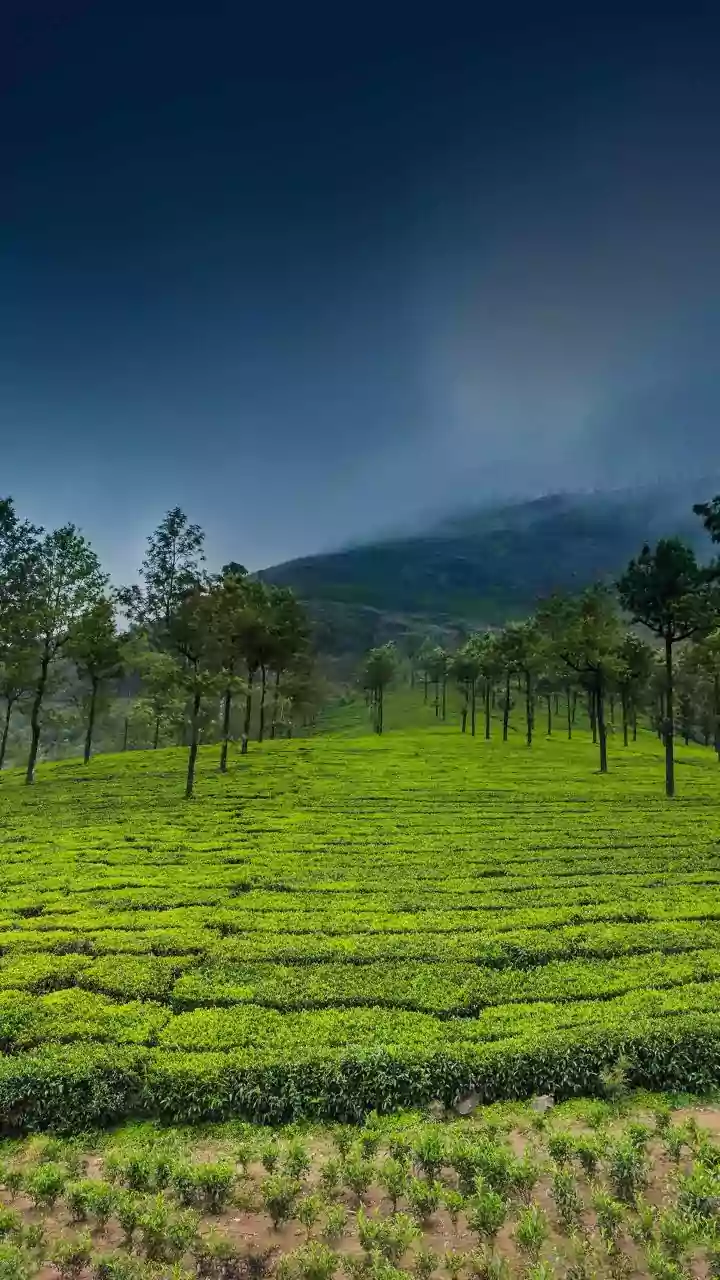
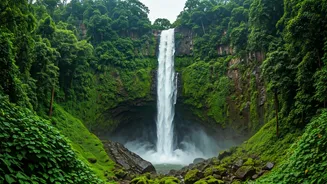
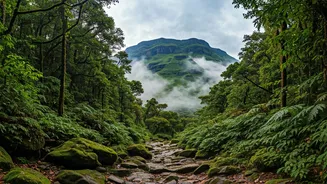
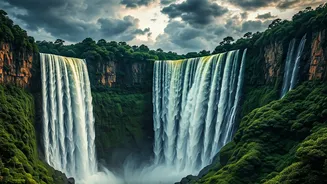
Ghats. This ancient mountain range, older than the Himalayas, runs parallel to India's western coast. During the dry months, its hills are a tapestry of greens and browns. But with the monsoon, the landscape undergoes a radical and swift metamorphosis. The rains saturate the soil, carpeting the region in a vibrant, almost fluorescent green. More spectacularly, the water carves new and temporary paths down every cliff and crevice, giving birth to an estimated 10,000 waterfalls, from delicate veils of mist to thunderous, multi-tiered giants.
A UNESCO World Heritage Wonder
This isn't just any mountain range; it's a UNESCO World Heritage Site and one of the world's eight “hottest hotspots” of biological diversity. The Western Ghats stretch over 1,000 miles, influencing weather patterns and serving as the source for major river systems that provide water to millions. This ecological significance adds a layer of profound importance to the seasonal beauty. The waterfalls aren’t just pretty; they are the lifeblood of the peninsula, the dramatic release of a system recharging itself. For travelers and photographers, this context elevates the experience from mere sightseeing to witnessing a vital planetary process in action. The sheer density of life—unique amphibians, birds, and flora—means every shot of a waterfall is framed by an ecosystem found nowhere else on Earth.
Giants of the Ghats
While countless smaller falls appear, several titans command legendary status and become pilgrimage sites for photographers. Dudhsagar Falls in Goa, whose name translates to “Sea of Milk,” is a breathtaking four-tiered cascade that famously has a train line crossing in front of it, providing an iconic, almost surreal photo opportunity. Further south in Karnataka, Jog Falls is one of India's tallest untiered waterfalls, dropping nearly 830 feet in a single, powerful plunge that fills the valley with mist. In Kerala, the Athirappilly Falls—often called the “Niagara of India”—is a wide, segmented cascade that showcases immense power and volume. These are the anchors of any waterfall excursion, each offering a different character and a unique set of photographic challenges and rewards.
A Photographer's Paradise
Capturing the Western Ghats in full monsoon glory is the ultimate prize for landscape photographers. The challenge is part of the appeal. The light is constantly changing, filtered through thick clouds and intermittent rain, creating a soft, diffused glow that makes the greens of the foliage pop. Long-exposure shots turn the powerful cascades into silky, ethereal ribbons of white against the dark, wet rock. The persistent mist can be an enemy to lenses but a friend to composition, adding layers of depth and atmosphere to an image. Photographers on dedicated excursions come prepared with rain gear for themselves and their equipment, micro-fiber cloths, and tripods to stabilize for slower shutter speeds. The goal isn’t just to document a waterfall, but to capture the mood—the overwhelming sense of life, renewal, and raw natural power.