


More Than Just a Snack
Let’s be clear: this isn't just about the food. It's about what the food represents. For millions, the taste of a Parle-G biscuit isn’t just a simple, sweet crunch; it’s the memory of a grandparent’s kitchen, a rainy afternoon with a cup of tea, or the first
snack you were allowed to buy yourself from the corner store. Food is a time machine, and these specific, often mass-produced, snacks are the keys to unlocking a very particular era: the India of the 1990s and early 2000s. Creators on social media aren’t just unboxing snacks; they’re unboxing core memories. They’re tapping into a collective sentimentality for a pre-globalized, simpler time, packaged in brightly colored foil. The viral videos often follow a simple but powerful formula: a familiar sound, a quick shot of the snack, and a caption that reads something like, “If you know, you know.” And millions, it turns out, do know.
The 90s Kid Digital Pantry
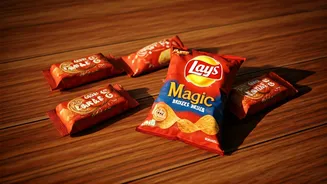
So what’s in this virtual pantry of nostalgia? The icons are instantly recognizable to anyone who grew up in India during that period. At the top of the list is Parle-G, the humble glucose biscuit that’s been a staple for decades. It’s cheap, ubiquitous, and inextricably linked with chai. Then there’s the instant gratification of Maggi 2-Minute Noodles, often customized with personal spice blends, which became the definitive after-school meal. For savory cravings, the conversation turns to chips. Not just any Lay’s, but the electric blue bag of India’s Magic Masala flavor, a spicy, tangy, and utterly addictive profile that has no real equivalent in the U.S. market. Similarly, Kurkure, the crunchy corn puff sticks with their signature “Tedha Hai Par Mera Hai” (“It's crooked, but it's mine”) slogan, evoke a specific kind of youthful rebellion. And to drink? It has to be Frooti, the iconic mango drink in its little green Tetra Pak, or the fizzy, jeera (cumin)-flavored Thums Up, a cola with a spicier, more potent kick than its American counterparts.
A Taste of Home for the Diaspora
While this trend resonates within India, it has found its most fervent audience among the Indian diaspora in the U.S. and beyond. For first- and second-generation Indian Americans, these snacks are more than just a throwback; they are a tangible link to a heritage that can sometimes feel distant. Finding a packet of Magic Masala at an Indian grocery store in New Jersey or California is a small victory, a moment of reconnection. Social media amplifies this feeling, creating a shared digital space where these experiences are validated. It allows people to say, “I remember this, too!” across continents and time zones. For many, it’s also a way to introduce their culture to their children or non-Indian friends. A video explaining the simple joy of a Kissan jam sandwich isn't just a food post; it’s a small act of cultural transmission, preserving a piece of family history one bite at a time.
The Algorithm's Secret Ingredient
So why is this happening with such force right now? The answer lies in the mechanics of modern social media. The algorithms on platforms like TikTok and Instagram are designed to reward hyper-specific, relatable content. A video about a generic chocolate bar might get lost, but a video about the specific joy of cracking open a Cadbury Éclair hits a precise, passionate audience. This creates a powerful feedback loop: the more people engage with nostalgic Indian snack content, the more the algorithm shows it to others with similar cultural backgrounds or interests. This digital word-of-mouth transforms a personal memory into a public, trending phenomenon. It’s also a testament to the growing confidence of creators of color to put their specific cultural experiences front and center, knowing there's a massive, underserved audience eager to see themselves and their histories reflected on screen.