





The Rise of the 'Micro-Cation'
The long, drawn-out annual vacation is fading from the Indian imagination. In its place, a powerful trend is emerging: the short domestic trip, or “micro-cation.” Recent travel reports from platforms like Agoda and MakeMyTrip show a dramatic spike in searches
and bookings for trips lasting just two to four days. This isn’t about a lack of time or money; it’s a deliberate choice. A new generation of Indian travelers, empowered by a dynamic economy, is opting for frequency over duration. Instead of one big trip a year, they are taking multiple smaller ones, exploring their own vast country with a fresh sense of urgency and curiosity. This shift reflects a deeper change in lifestyle, where travel is no longer a rare luxury but an integrated, recurring part of life—a way to recharge, reconnect, and escape the grind of rapidly growing cities.
An Engine of Economic and Social Change
Several powerful forces are fueling this domestic travel boom. First and foremost is India’s expanding middle and upper-middle class, which now has more disposable income than ever before. This economic confidence is matched by a revolution in infrastructure. The UDAN scheme (a regional airport development program) has connected dozens of smaller towns by air, while new Vande Bharat Express trains have slashed travel times between major cities. Add to this the proliferation of budget airlines and a massive network of improved highways, and suddenly a weekend trip from Delhi to the Himalayas or from Mumbai to the coast of Goa is not just possible, but easy and affordable. Furthermore, the post-pandemic embrace of remote and hybrid work has untethered millions of young professionals, giving them the flexibility to take “workations” from scenic locales, blending productivity with leisure.
Beyond the Taj Mahal
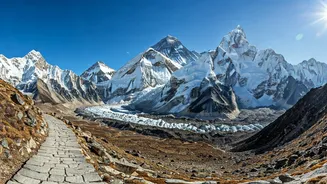
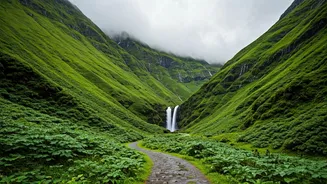
So where are they going? While classic destinations like Goa’s beaches and Rajasthan’s palaces remain popular, this new wave of tourism is diversifying the map. There’s a notable surge in spiritual tourism, with travelers flocking to ancient cities like Varanasi and Rishikesh not just for religious reasons, but for yoga, wellness, and a sense of cultural connection. Hill stations in states like Himachal Pradesh and Uttarakhand are booming as city dwellers seek clean air and mountain vistas. In the south, the serene backwaters of Kerala (“God’s Own Country”) and the unique culture of Puducherry are major draws. This trend is pushing travelers off the beaten path to discover hidden gems, boosting local economies and creating a more distributed and sustainable tourism ecosystem. It’s a journey of internal discovery, both for the individual and the nation.
What It Means for American Travelers
For Americans, this internal travel boom in India is more than just a distant trend; it has real-world implications. Firstly, it’s a powerful barometer of India’s economic health and cultural confidence. Understanding this shift is key to understanding modern India. Secondly, for those planning a trip, it means that some domestic flights and popular weekend spots may be more crowded with local tourists. However, it also presents a unique opportunity. By paying attention to where Indians themselves are traveling, visitors can get a more authentic and contemporary view of the country, far from the well-trodden tourist circuits. This trend reveals a new map of India—one defined by wellness retreats, adventure sports hubs, and vibrant local cultures that are now more accessible than ever. It's an invitation to see the country not as a historical artifact, but as a living, evolving nation on the move.