


The 'Green Season' Rebrand
For decades, the words “monsoon season” or “rainy season” were a warning label in travel brochures, signaling months to avoid in destinations across Southeast Asia, Central America, and parts of Africa. Tour operators and hotels would slash prices or even
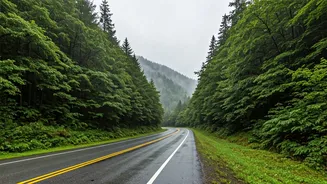
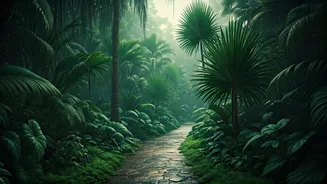
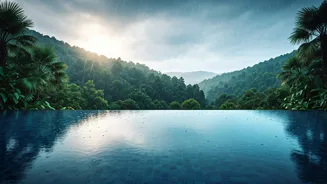
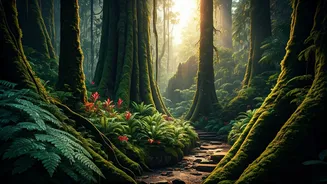
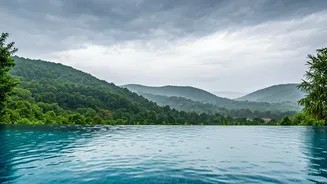
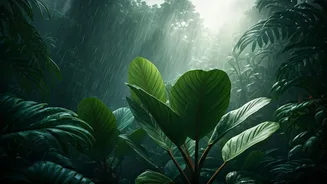
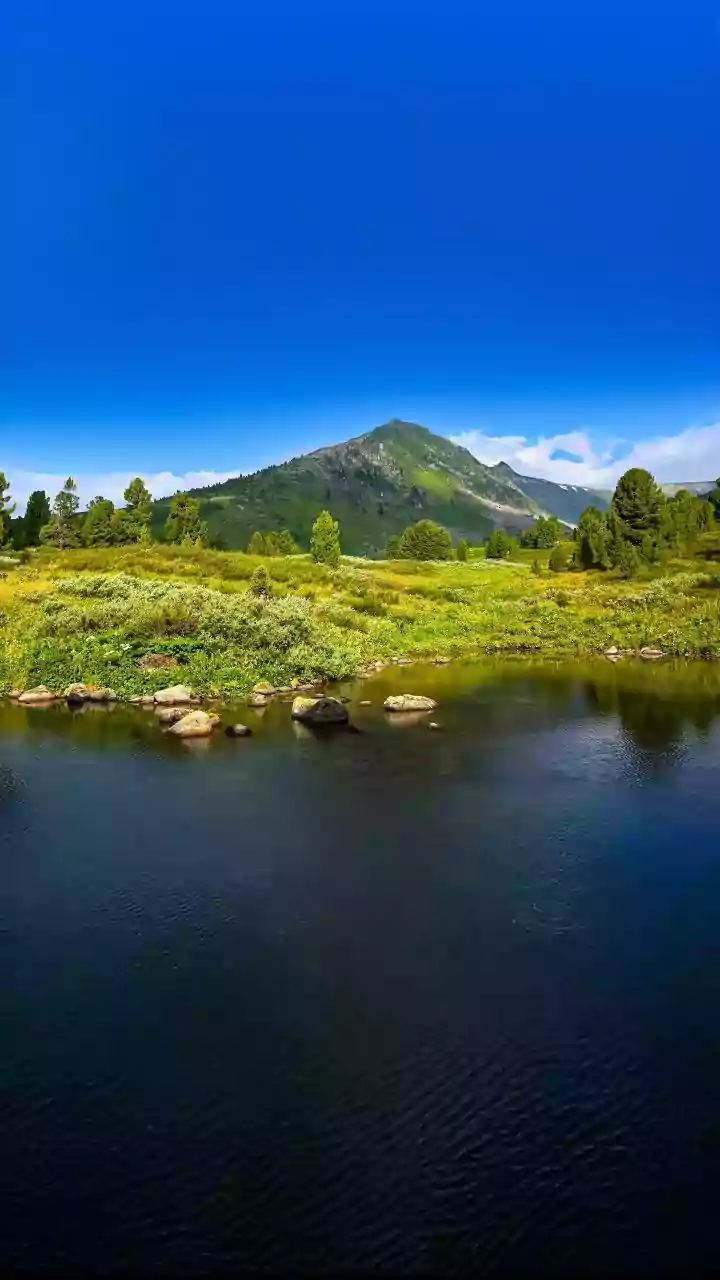
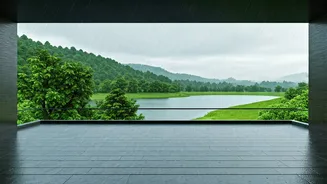
close up shop, waiting for the sun-seeking crowds to return. But today, a savvy rebranding is underway. The “monsoon season” is becoming the “green season,” a deliberate shift in perspective that highlights the unique beauty and benefits of traveling during periods of regular rainfall. Instead of focusing on the weather as a negative, it’s being framed as an attraction in itself. Think misty mornings in Costa Rican rainforests, impossibly lush rice paddies in Vietnam, and the thunderous roar of waterfalls in Thailand at their most powerful. It’s a move that reframes a meteorological reality as a poetic, sensory experience.
Why Off-Season Is the New Green
The driving force behind this trend is a growing desire for more sustainable and responsible travel. The concept of “overtourism”—where popular destinations are strained to a breaking point by overwhelming visitor numbers—has entered the mainstream consciousness. Traveling during the green season is a direct answer to this problem. By visiting in the off-season, travelers help distribute the economic benefits of tourism more evenly throughout the year, providing stable, year-round employment for locals rather than seasonal boom-and-bust cycles. The environmental footprint is also lighter. With fewer people, there’s less pressure on local infrastructure like water, waste management, and energy. Popular sites that are mobbed in peak season can be enjoyed with a fraction of the crowds, reducing footpath erosion and stress on delicate ecosystems. It’s a form of travel that replaces frantic box-ticking with a slower, more intentional presence.
The Unexpected Traveler Perks
While sustainability is a noble motivation, green season travel is also packed with selfish benefits. The most obvious is the price. Flights, accommodations, and tours can be significantly cheaper than during the high season. But the real prize is the experience. Landscapes are transformed, swapping the dry, dusty look of peak season for a vibrant, almost electric green. The air is often clearer after a downpour, and the dramatic, moody skies make for stunning photography. Beyond the aesthetics, the entire vibe is different. With fewer tourists, interactions with locals can feel more genuine and less transactional. You’re more likely to be the only person exploring a quiet temple or hiking a rainforest trail. The rain itself often comes in predictable, short-lived bursts, particularly in tropical climates, leaving plenty of time for exploration between showers. It forces a slower pace, encouraging travelers to read a book in a cozy café, take a cooking class, or simply watch the world go by.
Packing for the Downpour
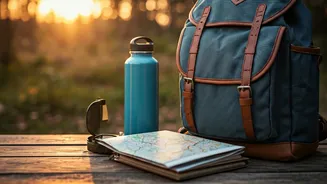
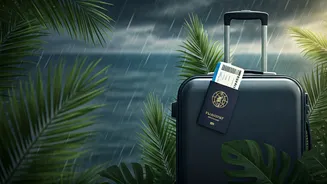
Of course, a monsoon trip requires a slightly different packing list and, more importantly, a different mindset. The key isn't to avoid getting wet, but to be prepared for it. A lightweight, breathable rain jacket is non-negotiable, as are shoes that can handle puddles and dry quickly. Forget cotton; think quick-dry synthetic fabrics for clothing. A waterproof bag or a simple dry sack for electronics is essential. But the most important item is flexibility. A torrential downpour might cancel that boat trip, but it opens up an afternoon to discover a local market or museum you would have otherwise skipped. A green season trip is an exercise in letting go of the rigid itinerary and embracing the serendipity that comes with unpredictable weather. It’s about finding beauty not just in the sunshine, but in the storm and the quiet renewal that follows.