







Why Too Much of a Good Thing Is Deadly
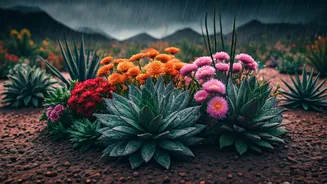
Anyone can have a decent garden in a perfect, gentle spring. The true test of skill comes when the sky opens up and dumps an inch of rain in thirty minutes. During the North American monsoon, which primarily affects Arizona, New Mexico, and surrounding
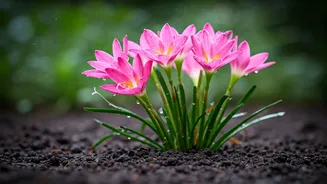
states, this is a regular occurrence. While native plants are adapted, our prized tomatoes, herbs, and ornamental flowers are often not. The problem isn't the water itself, but where it goes—or doesn't go. When soil becomes saturated, the tiny air pockets that roots need to breathe fill with water. This oxygen deprivation is the first step toward root rot, a fungal nightmare that turns healthy root systems into a brown, mushy mess. A plant with rotten roots can't absorb nutrients or water, leading to the tragic irony of it wilting and dying in a sea of moisture.
The Raised Bed Advantage
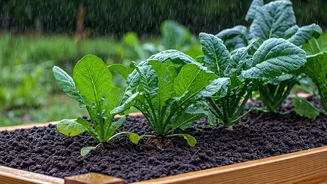
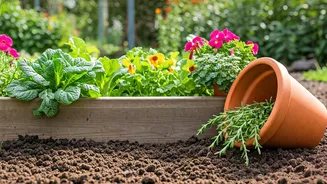
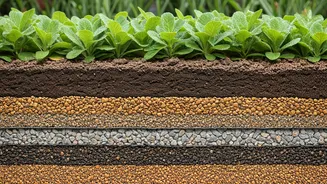
If you want an immediate, effective, and visually pleasing solution, the raised garden bed is your best friend. It’s the simplest way to physically lift your plants’ root zones above the soggy, compacted ground. By creating a contained ecosystem several inches to a foot or more high, you give excess water a clear path to drain away from your plants. The real flex here isn’t just building a box; it’s what you fill it with. A generic bag of topsoil won't cut it. A masterful monsoon gardener creates a custom blend: typically one-third compost for nutrients, one-third peat moss or coco coir for moisture retention, and one-third coarse material like perlite, vermiculite, or even coarse sand for aeration and drainage. This blend ensures that even after a downpour, the soil remains light and airy, not a dense, waterlogged brick.
Contour Your Landscape with Berms and Swales
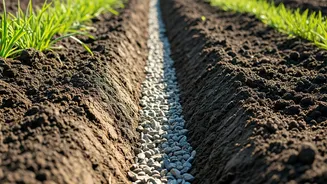
For those with more space and ambition, the ultimate power move is manipulating the landscape itself. This is where berms and swales come in. A swale is a shallow trench dug along the contour of your land, while a berm is the corresponding mound of soil, usually placed on the downhill side. This simple earthwork accomplishes two brilliant things. First, it slows down and captures runoff that would otherwise cause erosion and strip your garden of precious topsoil. The water pools in the swale and slowly percolates into the ground, recharging the soil moisture deep below the surface. Second, planting on the berms provides your plants with an elevated position, keeping their roots safe from saturation while giving them access to the moisture stored in the adjacent swale. It’s a passive irrigation system that turns a flooding problem into a water-hoarding solution—the pinnacle of smart, resilient gardening.
The Power of the Perfect Potting Mix
Even if you’re not building raised beds or digging trenches, you can apply drainage principles at a smaller scale. Container gardening is an excellent way to control the variables. But again, the secret is in the soil. Never use soil directly from your yard in a pot; it will compact and turn to concrete. Instead, focus on your potting mix. Look for bags that specifically mention “fast-draining.” To level up, you can amend a standard potting mix yourself. Adding a few extra handfuls of perlite or small orchid bark dramatically increases porosity. Also, let's bust a myth: putting a layer of gravel at the bottom of a pot does not improve drainage. It actually creates a perched water table, forcing the soil above it to become more saturated before it drains. The real solution is a single, unobstructed drainage hole and a porous, well-aerated soil mix all the way through.