





The Power Couple of Spices
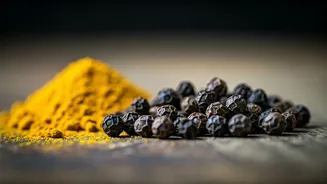
At the heart of this wellness hack is a fascinating bit of food science. Turmeric, the vibrant golden spice celebrated for centuries in Ayurvedic and traditional medicine, contains an active compound called curcumin. Curcumin is a polyphenol with potent
anti-inflammatory and antioxidant properties, making it a major focus of health research. However, there’s a catch: on its own, curcumin is not easily absorbed by the human body. Much of it passes through your system without delivering its full potential. This is where black pepper makes its grand entrance. Black pepper contains a compound called piperine, which is responsible for its distinct pungent flavor. More importantly, piperine is a natural bio-enhancer. When consumed with turmeric, piperine can increase the bioavailability of curcumin by as much as 2,000 percent, according to some studies. It essentially unlocks curcumin's power, allowing your body to absorb and utilize it far more effectively. Think of black pepper as the key that opens the door for turmeric to do its best work.
Taming Post-Workout Inflammation
Every time you push yourself in the gym, on the track, or in a yoga class, you create tiny micro-tears in your muscle fibers. This is a normal and necessary part of getting stronger. The body’s natural repair process involves inflammation, which can lead to delayed onset muscle soreness (DOMS)—that familiar ache that sets in a day or two after a tough workout. While some inflammation is good, chronic or excessive inflammation can hinder recovery and performance. By adding a curcumin-piperine combination to your post-workout meal, you can help support your body’s inflammatory response. Curcumin is thought to work by inhibiting molecules that play a major role in inflammation. This doesn’t mean it will erase all soreness overnight, but it can help manage the inflammatory process, potentially reducing the severity and duration of muscle aches. It’s a way of giving your body’s natural recovery systems a gentle, effective boost right when they need it most.
Building Your Supercharged Bowl
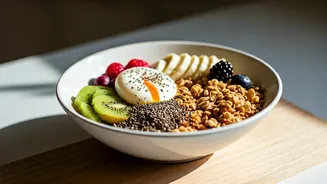
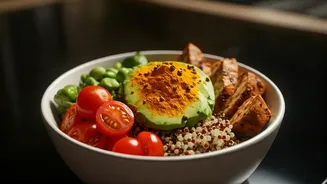
Incorporating this duo into your routine is incredibly simple. After your workout, as you assemble your go-to protein bowl, just add a sprinkle of both spices. A good starting point is about half a teaspoon of ground turmeric and a pinch (about 1/8 of a teaspoon) of finely ground black pepper. You don’t need a lot to get the benefits. For the best results, look for high-quality organic ground turmeric. While fresh turmeric root is also great, the ground version is more convenient and mixes easily into bowls. Be mindful that turmeric has a powerful pigment that can stain countertops and clothes, so handle it with a little care. This combination works best when consumed with a meal that contains healthy fats, as curcumin is fat-soluble. Luckily, most protein bowls already include ingredients like avocado, nuts, seeds, or a drizzle of olive oil, making them the perfect vehicle for this anti-inflammatory pairing.
Flavor and Functional Pairings
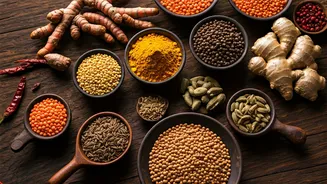
Worried about the taste? Don’t be. Turmeric has a warm, earthy, and slightly bitter flavor that pairs beautifully with savory ingredients common in protein bowls. It complements roasted sweet potatoes, chickpeas, lentils, and quinoa. It also works well with leafy greens like spinach or kale, which can be wilted into a warm grain bowl. Consider building your bowl around this flavor profile. A base of quinoa topped with grilled chicken or tofu, roasted cauliflower, a scoop of hummus, and a handful of pumpkin seeds becomes even more functional and delicious with a dash of turmeric and black pepper. The pepper’s mild heat cuts through the earthiness of the turmeric, creating a balanced and complex flavor. You can even whisk the spices into your dressing, like a lemon-tahini or olive oil vinaigrette, to ensure they’re evenly distributed.