








More Than Just Tiny Homes
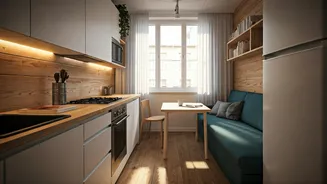
When people hear “compact living,” they often picture a trendy, 200-square-foot house on a trailer. While tiny homes are the most visible symbol of the movement, the trend is much broader. Compact living is a philosophy centered on using less space more
intentionally. It can take many forms: a micro-apartment in a dense city, a thoughtfully designed studio, a converted garage known as an Accessory Dwelling Unit (ADU), or simply choosing a smaller condo over a sprawling suburban house. The common thread isn't a specific square footage, but a conscious decision to reduce one's physical footprint in favor of other priorities, whether financial, environmental, or personal.
The Drivers: Cost, Climate, and Clarity
So, why is this happening now? Three major forces are converging. The most powerful is economic. With median home prices and rents reaching historic highs across the country, traditional homeownership is simply out of reach for many Americans, especially millennials and Gen Z. A smaller space is an affordable space. Secondly, there’s a growing awareness of environmental impact. A large home requires more energy to heat and cool, more materials to build, and encourages the accumulation of more stuff. Living small is a direct way to reduce one’s carbon footprint. Finally, there's a cultural shift away from the consumerism of previous generations. Many are seeking clarity and freedom from being tied down by a mortgage and endless home maintenance, preferring to spend their resources on experiences like travel, hobbies, or community.
The Upside of Downsizing
The benefits of compact living go far beyond a smaller monthly payment. Proponents speak of a profound sense of freedom. With fewer possessions to manage and less space to clean, they gain back valuable time and mental energy. This lifestyle often forces a more intentional approach to consumption; you can’t buy something if you have nowhere to put it. This leads to significant savings and a reduced sense of being overwhelmed by clutter. For some, especially those in tiny homes on wheels, it also offers unparalleled mobility. The ability to move your entire home to a new city or a scenic landscape is a powerful draw for those who value flexibility over deep roots in a single location.
The Not-So-Glamorous Reality
Of course, the curated Instagram photos of chic, minimalist interiors don't tell the whole story. Compact living comes with significant trade-offs. The most obvious is the lack of space. Storing seasonal clothing, sports equipment, or sentimental items can become a complex puzzle. Hosting more than one or two guests can be challenging, if not impossible. For couples or families, the lack of privacy can be a major source of friction. Then there are the logistical hurdles. Many cities have strict zoning laws that make it difficult or illegal to park a tiny home. Building codes may not be adapted for non-traditional structures, creating bureaucratic nightmares for would-be builders. It’s a lifestyle that demands discipline, organization, and a genuine comfort with having less.
Who Is This Trend Really For?
While the stereotype is a young, single digital nomad, the reality is far more diverse. Yes, young professionals in expensive coastal cities are a key demographic, choosing 400-square-foot apartments to live in desirable neighborhoods. But retirees are also a fast-growing segment, downsizing to shed the burdens of a large family home and free up cash for their golden years. In states like California and Oregon, homeowners are increasingly building ADUs in their backyards to house aging parents or adult children, creating multi-generational living arrangements on a single property. Compact living isn't a one-size-fits-all solution, but a flexible concept being adapted by different people at different life stages, all looking for a smarter way to live.