


A Festival on the 'Roof of the World'
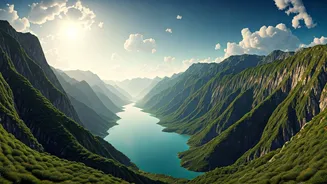
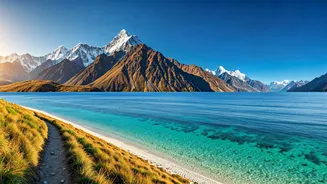
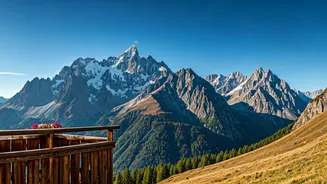
Imagine a place that looks like the surface of the moon, but with ancient monasteries clinging to cliffs and a turquoise river carving through the arid landscape. This is Ladakh, a high-altitude region in northern India often called the 'roof of the world.'
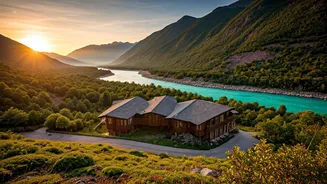
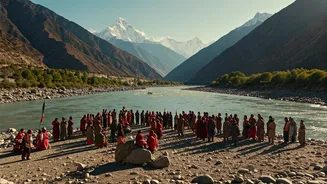
It’s here, just outside the main town of Leh, that the Sindhu Darshan Festival takes place. 'Sindhu' is the Sanskrit name for the Indus River, a waterway so foundational to the subcontinent that it gave India its name. For millennia, the river has been a lifeline and a sacred entity. The festival, held annually around the full moon in June, transforms its banks into a national stage, drawing visitors and performers to a place of immense natural beauty and spiritual significance.
A Modern Tradition with Ancient Roots
While reverence for the river is ancient, the festival itself is a modern creation. It was first conceived in the late 1990s with a specific purpose: to promote national identity and harmonious coexistence. The idea was to create a pilgrimage site that celebrated the Indus River as a shared symbol of India's ancient civilization and enduring unity. Promoted as an event that transcends regional and religious divides, it was designed to bring people from the far-flung states of India—from the tropical south to the Gangetic plains—to the country's northernmost frontier. It serves as both a celebration of the river and a powerful statement about the pluralistic fabric of the nation, fostering a sense of connection in one of the most remote parts of the country.
A Kaleidoscope of Indian Culture
The festival's claim to showcase diversity is no empty boast. For three days, the site at Shey Manla becomes a living museum of Indian folk art. Troupes of dancers and musicians from states like Punjab, Rajasthan, Tamil Nadu, and Assam perform in their traditional, brightly colored costumes. The sharp, energetic beats of Bhangra from Punjab might be followed by the graceful, storytelling motions of Bharatanatyam from the south. The air fills with a medley of languages, musical styles, and artistic traditions. This is not just a performance for tourists; it's a cultural exchange. Artists get to see and appreciate the heritage of their fellow citizens, and local Ladakhis share their own unique traditions, music, and monastic dances, reminding everyone of the rich indigenous culture of the Himalayan region.
The Ritual of Unity
At the heart of the Sindhu Darshan is a simple but profoundly symbolic ritual. Participants from different states bring water from the rivers in their own home regions in earthen pots. In a collective ceremony, they pour this water into the Indus. Waters from the Ganges, the Yamuna, the Kaveri, and dozens of other rivers merge into one. This act, known as the 'jalabhishek,' represents the mixing of cultures and the idea that while every region has its own identity (its own river), they all ultimately flow into the shared identity of the nation (the Sindhu). It’s a powerful, visual metaphor for the motto 'unity in diversity,' performed on the banks of a river that has witnessed the rise and fall of civilizations for thousands of years.